Tomb of Maimonides, Tomb and pilgrimage site in Tiberias, Israel
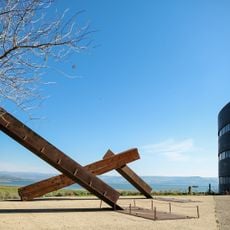
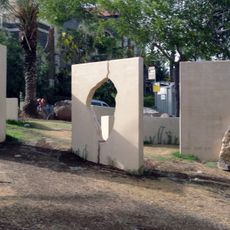
The Tomb of Maimonides in Tiberias is a memorial site designed with 14 stone columns that represent sections of the Mishneh Torah. A metal crown structure rises above the burial chamber, defining the physical appearance of the space.
Maimonides died in Fustat, Egypt, on 12 December 1204 and was first buried there. Al-Qifti, writing around 1225, recorded that his body was later taken to Tiberias, and 13th–15th-century chronicles repeat this. In 1920 Rabbi Ya'akov Moshe Toledano bought the land around the tomb, transferring it to Jewish ownership.
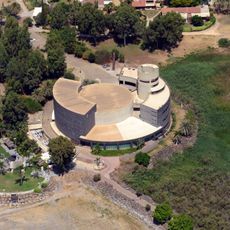
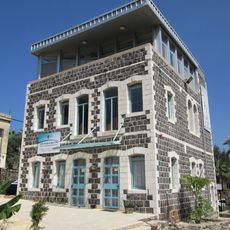
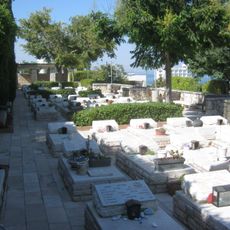
The tomb shares its plot with the graves of Yohanan ben Zakkai, a Tanna of the Second Temple period, and Isaiah Horowitz, the 16th–17th century mystic known as the Shelah ha-Kadosh. Pilgrims also visit the graves of Maimonides' father Rabbi Maimon and his grandson Rabbi David ha-Nagid. A visitor center, the Maimonides Heritage Center, opened beside the tomb in 2009.
The memorial remains accessible at any hour, with level pathways that make navigation straightforward for all visitors. Parking is organized on-site, and prayer books are provided for those who wish to use them during their visit.
An Egyptian scholar recorded the tomb's existence in written accounts as early as 1225, helping to confirm its authenticity over centuries. These early records show how long this burial site has been recognized and honored.
The community of curious travelers
AroundUs brings together thousands of curated places, local tips, and hidden gems, enriched daily by 93,410 contributors worldwide.