Roman Theater in Tiberias, Roman theater in Tiberias, Israel
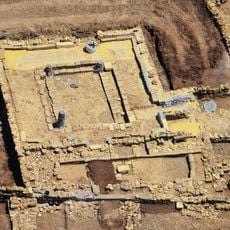
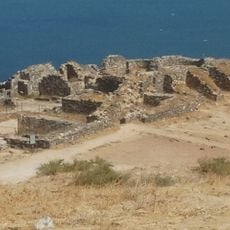
The Roman Theater in Tiberias is an ancient structure measuring about 80 meters across, constructed with limestone and basalt stones. The seating tiers rose from ground level to upper levels, creating a large space designed for public gatherings and performances.
Herod Antipas founded Tiberias around 20 CE and the theater was built as part of the city's construction. It was discovered in 1990 by a Hebrew University expedition led by archaeologist Yizhar Hirschfeld, who identified a circular wall. In the first half of the 2nd century, after its eastern part subsided, the orchestra was repaved and adapted as an amphitheater arena. The theater was likely used until the end of the 5th century, then abandoned and destroyed by the 749 earthquake.
The theater's construction under Herod Antipas indicates the cultural openness of Tiberias's Jewish community, which allowed a Roman theater in their city. Rabbinic literature mentions an "istadion" and Josephus a hippodrome, but not the theater, so its discovery in 1990 surprised archaeologists. The site is now being prepared to serve again as an active theater.
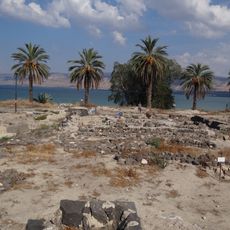
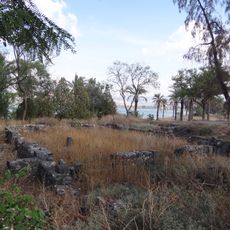
The theater lies in the southern archaeological park at the foot of Mount Berenice, about 30 m west of the ancient Cardo and 200 m north of the city gate. The surviving lower seating block sits on bedrock; the stage wall, 1.1 m high, and the orchestra floor can be seen. Visits are outdoors and unshaded, so come early in the day.
In the 9th century a residential quarter of about twenty basalt houses was built over the buried theater, with a 4-meter street running east to west, courtyards, fountains and two large water cisterns cut into the structure. Excavators found a hoard of 25 gold coins from the Abbasid and Fatimid periods, and a stone decorated with a cross.
The community of curious travelers
AroundUs brings together thousands of curated places, local tips, and hidden gems, enriched daily by 94,408 contributors worldwide.