Khirbet Kerak, Archaeological tell at Sea of Galilee, Israel
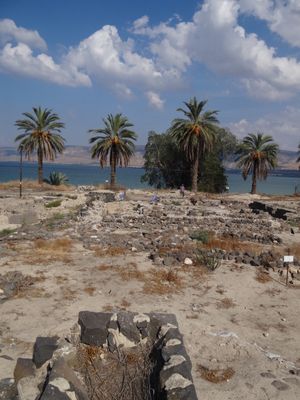
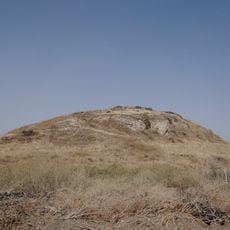
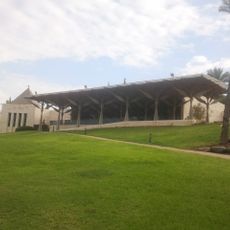
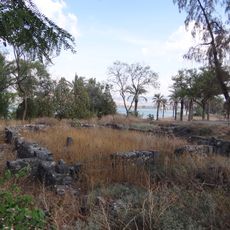
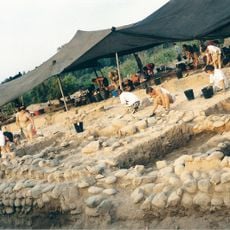
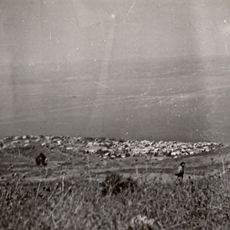
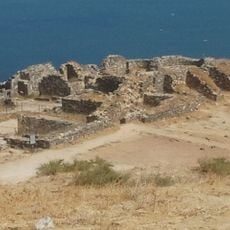
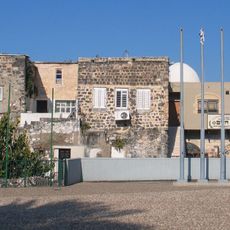
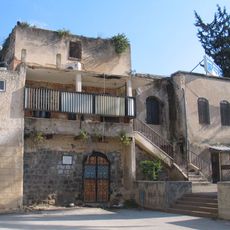
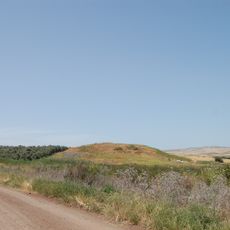
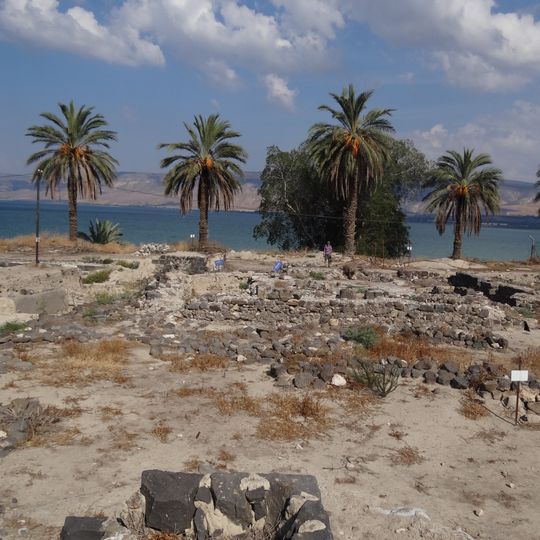
Khirbet Kerak is an archaeological tell on the southwestern shore of the Sea of Galilee in northern Israel. Excavations have uncovered layers of remains from the Chalcolithic period through the Crusader era, stacked one above another across the mound.
The settlement was at its most active during the Early Bronze Age, when it ranked among the largest towns in the region. Over the following centuries it passed through the hands of many different peoples, each leaving traces in the ground.
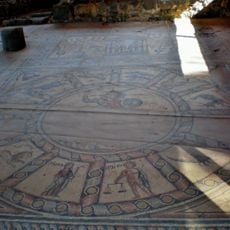
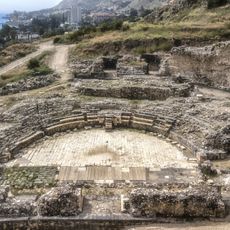
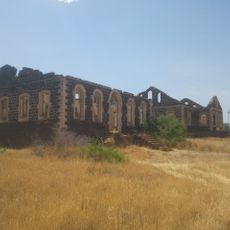
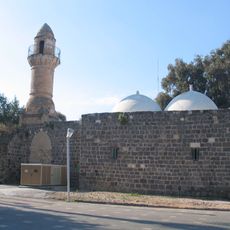
The site preserves the remains of a Jewish synagogue from the Talmudic period and a Byzantine church with a mosaic floor, both still visible today. These two structures show how different religious communities used the same ground across centuries.
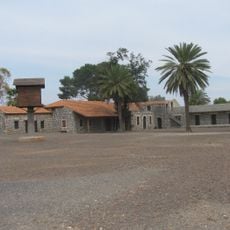
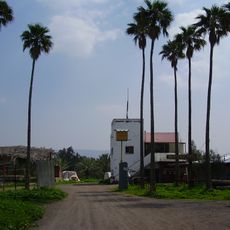
The site sits along the lakeshore and can be reached on foot without difficulty, though the ground is uneven in places. Summers are very hot at this low elevation, so bringing water and visiting in the morning makes the experience more comfortable.
Excavations here gave their name to a specific type of pottery called Khirbet Kerak ware, made during the third millennium BCE. The same pottery has been found at sites far beyond this region, pointing to trade contacts that reached across a wide area.
The community of curious travelers
AroundUs brings together thousands of curated places, local tips, and hidden gems, enriched daily by 60,000 contributors worldwide.