Archaeological Museum Beit Miriam, Archaeological museum at Palmachim Airbase, Israel
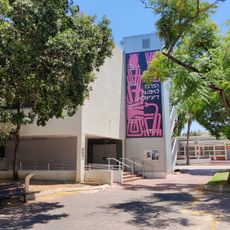
The Archaeological Museum Beit Miriam sits on a cliff in Kibbutz Palmachim and has two wings joined by a pergola and inner courtyard, designed by architect Shmuel Bickels with roof windows for daylight. The older wing holds finds from the Neolithic to the late Arab period, among them a Byzantine mosaic floor from Yavne-Yam, Chalcolithic burial ossuaries and an illuminated map of Mediterranean sailing and trade. The second wing, "The Sea and its Fullness", displays anchors, oil lamps, glass and gold jewellery and weights retrieved from the Yavne-Yam harbour, plus underwater photographs and ship models.
The museum began with finds unearthed while digging foundations in Kibbutz Palmachim and with objects pulled from the sea by the kibbutz fishermen. In 1969 the kibbutz founded it, with Shmuel Lipshitz naming it after his wife Miriam, who helped gather the first potsherds. Architect Shmuel Bickels designed the building, and a wing was later added for finds from Yavne-Yam.
The museum is named after Miriam, wife of founder Shmuel Lipshitz, who helped gather the first potsherds; architect Shmuel Bickels, designer of the Mishkan LeOmanut, gave it roof windows for daylight. Outside stands a marble column bearing seven early Islamic Arabic inscriptions left by travellers asking Allah for a safe journey and a martyr's death.
The museum operates within an active military airbase, so advance arrangements must be made before visiting. Plan ahead and contact the facility to confirm availability and obtain access instructions.
The museum houses a specialized collection focused on maritime archaeology and coastal settlement history. This emphasis on seafaring connections and trade routes across the Mediterranean offers a different perspective than most regional museums.
The community of curious travelers
AroundUs brings together thousands of curated places, local tips, and hidden gems, enriched daily by 94,220 contributors worldwide.