Mausoleum of Abu Huraira, Islamic mausoleum in Yavne, Israel
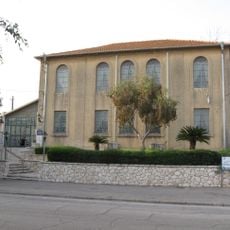
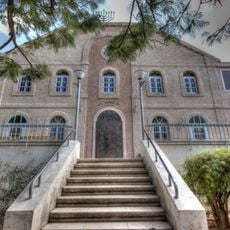
The mausoleum of Abu Huraira is an Islamic tomb in Yavne built with a distinctive dome resting on an octagonal drum as its primary feature. Inside, the space divides into several areas including a burial chamber and a front prayer room with traditional furnishings.
The structure originated under Sultan Baibars in the late 13th century with an initial design that later underwent expansions. Subsequent sultanates left their architectural mark on the building through additional construction work.
Muslims have identified the tomb as Abu Hurayra's since the early 13th century, though most Arabic sources place his burial in Medina; a 1266–1291 Hebrew travel guide instead calls it Gamaliel's tomb used as a Muslim prayer house. Ishtori Haparchi later described it as a fine memorial to Rabbi Gamliel.
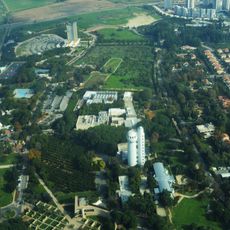
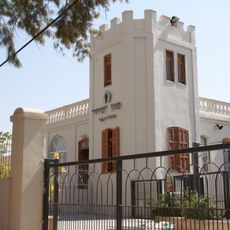
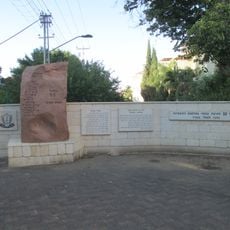
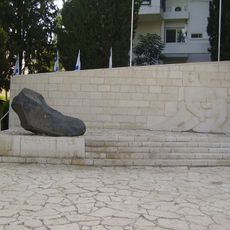
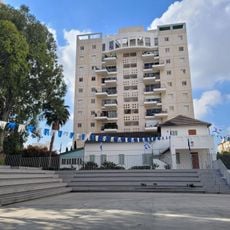
The mausoleum stands in Sanhedrin Park in Yavne, on a cemetery northwest of the former village of Yibna. The Ministry of Religious Services of Israel has held authority over the site since 1948, and it now functions as a Haredi tomb of the righteous. Visitors should dress and behave accordingly, and check access arrangements with the administering authority before arriving.
Most Arabic sources name Medina, not this site, as Abu Hurairah's burial place, and in all likelihood neither he nor Rabban Gamaliel lies in the tomb. A 1765 visitor, the Egyptian scholar Mustafa As'ad al-Luqaymi, attributed it instead to a descendant of Abu Hurairah.
The community of curious travelers
AroundUs brings together thousands of curated places, local tips, and hidden gems, enriched daily by 94,143 contributors worldwide.