Shikhin, Archaeological site in Lower Galilee, Israel.
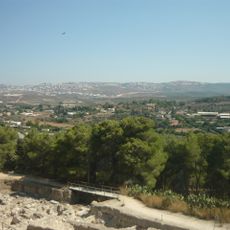
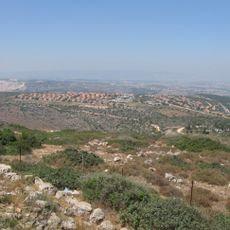
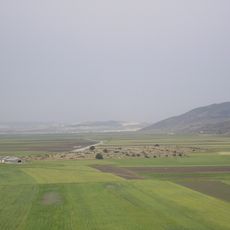
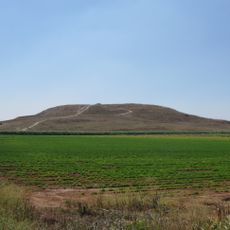
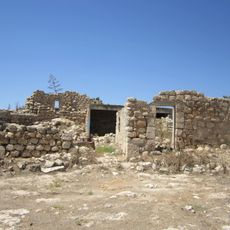
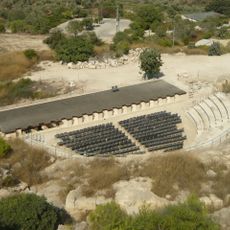
Shikhin is an abandoned Jewish village in Lower Galilee spread over three low hilltops running north to south for just over a kilometre, beside ancient Sepphoris. Excavations since 2012 have uncovered a synagogue with a corner column and large stone doors, houses, and pottery workshops. The hill of Jebel Qat east of the village holds a cave used as a hideaway, quarry marks and tombs, three of them with plain sarcophagi.
The settlement flourished from the Hasmonean period until the 4th century CE and was known as Asochis to the ancient historian Josephus. It became a major pottery production center whose goods had regional importance.
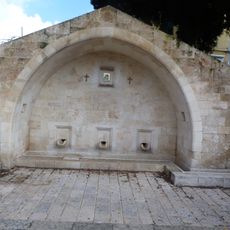
The name Shikhin also appears in rabbinic literature as a term for long open water reservoirs. Rabbinic sources praise the village's mustard yields and tell of a blind man who bathed in Shikhin's water and was healed, linking the site to the spring of Miriam. The Jerusalem Talmud attributes the village's destruction to sorcery.
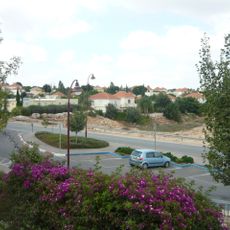
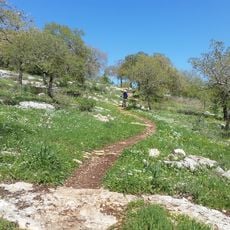
The site lies within Zippori National Park, between Sepphoris and Route 77, west of the modern community of Hoshaya. Excavations began in summer 2012 under James Riley Strange, Mordechai Aviam and David Fiensy, and the village ruins extend over three low hilltops across roughly one kilometre. Look for the cave hideaway, quarry marks and olive or wine installations on Jebel Qat, east of the village.
Seven molds for making oil lamps, the most found at any village in Israel, were recovered at Shikhin. Archaeologist Mordechai Aviam called this strong evidence that lamp production was very important to the village. The site spreads over three low hilltops running north to south for just over a kilometre.
The community of curious travelers
AroundUs brings together thousands of curated places, local tips, and hidden gems, enriched daily by 94,456 contributors worldwide.