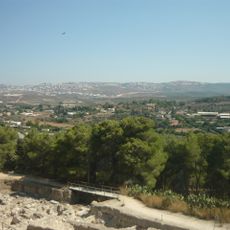
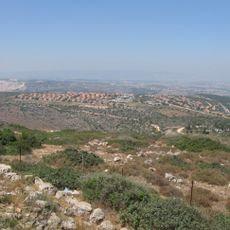
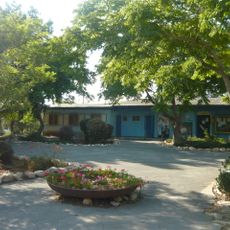
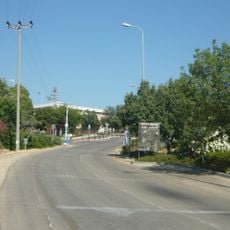
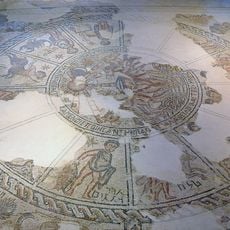
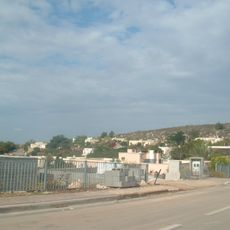
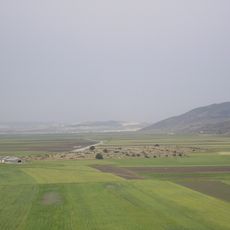
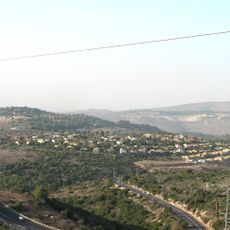
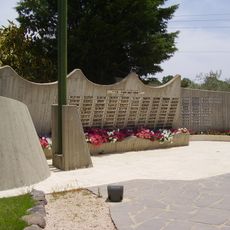
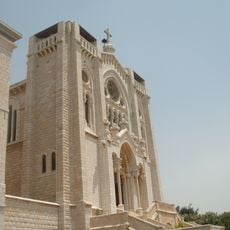
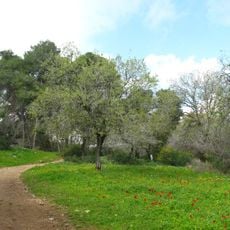
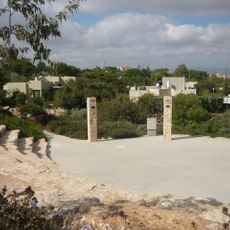
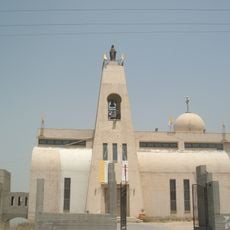
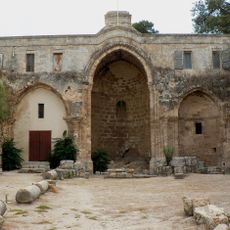
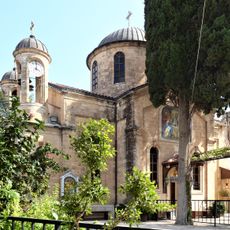
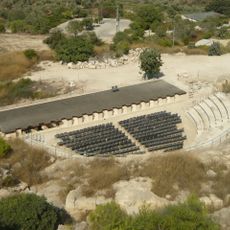
Tel Hanaton, Archaeological ruins and mountain in Northern District, Israel.
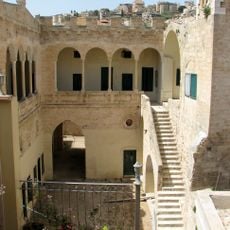
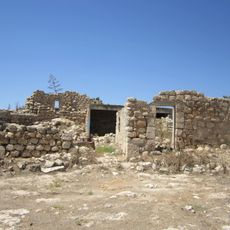
Tel Hanaton is a tell rising 75 metres above the Beit Netofa Valley, 2 km south of Kfar Manda. Its Bronze Age city covered about 100 dunams (25 acres). A Crusader tower measuring 28 by 18.9 metres survives at basement level, with stone stairwells and arched halls.
Tel Hanaton appears as Hinnatuna in two 14th-century BCE Amarna letters: EA 8, in which the Babylonian king Burna-Buriash complains that merchants were killed near the city, and EA 245, in which Biridiya of Megiddo reports that Labayu of Shechem was released there. The Assyrian king Tiglath-pileser III lists Hanaton among the Israelite cities destroyed in his 734–732 BCE campaign. The site declined as nearby Sepphoris rose, and in the 1330s the Mamluks took over the Crusader fort.
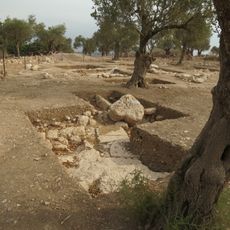
The Arabic name Tal Badawiye, still used locally, comes from the Ottoman-era caravanserai Khan El Badawiye built on the mound. The tell is identified with biblical Hannathon, listed in the Book of Joshua among the border towns of the tribe of Zebulun. Excavations that began in July 2023, led by Ben-Gurion University, the Israel Antiquities Authority and Leipzig University, opened the first trench on the northern side facing Kfar Manda.
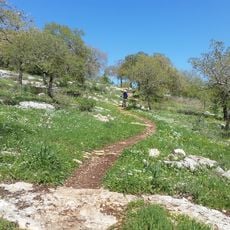
Tel Hanaton lies 2 km south of Kfar Manda and 1 km northeast of Kibbutz Hanaton, at the western edge of the Beit Netofa Valley. The tell rises 75 m above the valley floor, so the climb is on uneven, unmarked ground with no visitor facilities. The 2023–2025 excavation areas are on the northern side of the upper tell, facing Kfar Manda.
The tell rises 75 metres above the Beit Netofa Valley, partly from accumulated occupation layers on a natural rock outcrop. Its Arabic name, Tal Badawiye, comes from the Ottoman-era caravanserai Khan El Badawiye built on the summit. A Crusader tower measuring 28 by 18.9 metres survives only at basement level.
The community of curious travelers
AroundUs brings together thousands of curated places, local tips, and hidden gems, enriched daily by 94,302 contributors worldwide.