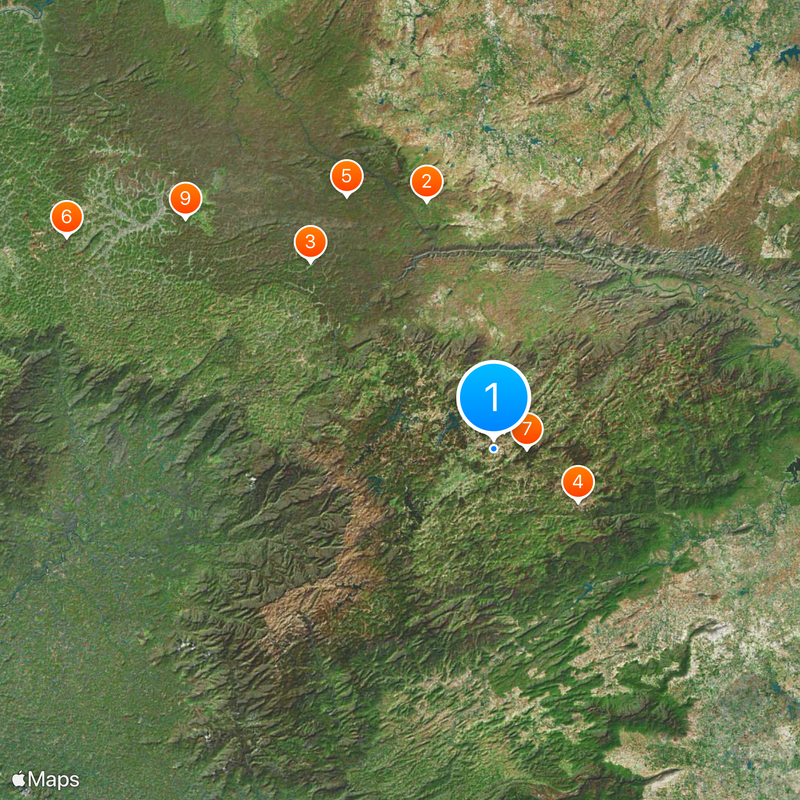
Nilgiris district, Mountain district in Tamil Nadu, India
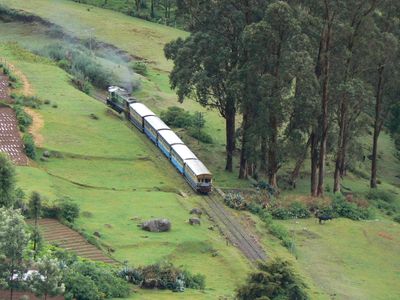
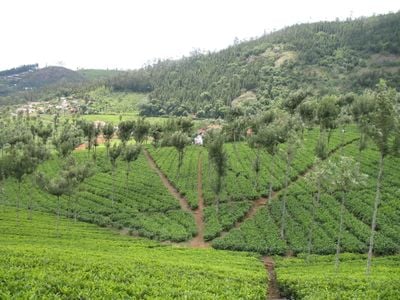
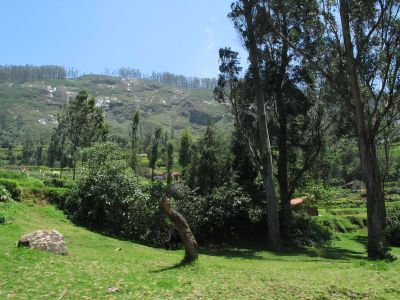
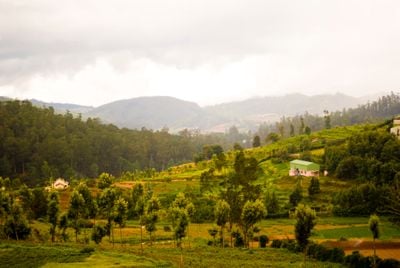
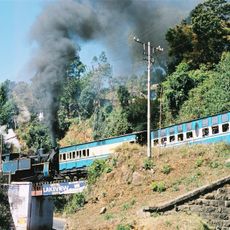
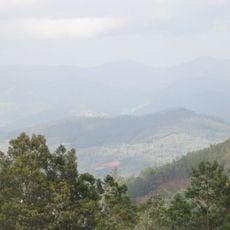
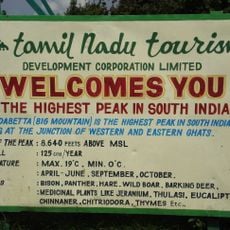
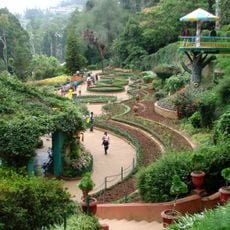
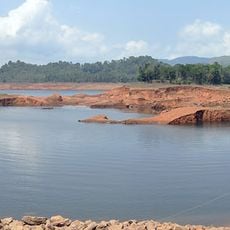
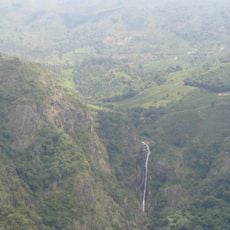
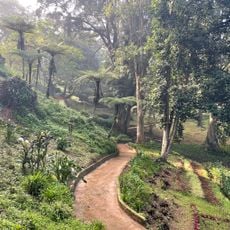
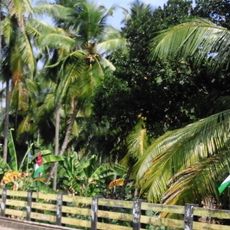
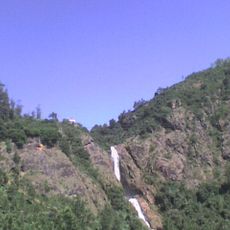
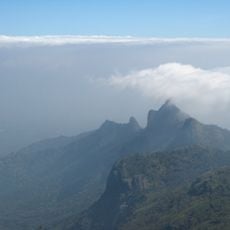
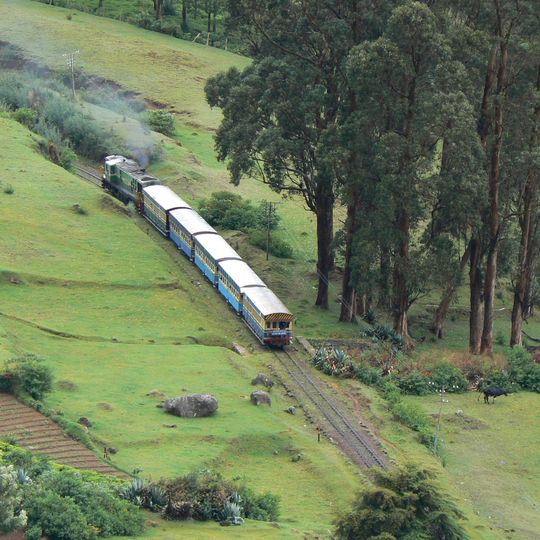
Nilgiris district covers varied terrain with grasslands, forests, and tea plantations rising to elevations of 2789 meters (9,150 feet). The landscape shifts from lower valleys to high plateaus, creating distinct natural zones across the region.
The district became an official administrative area in 1882 when the British established Ooty as the summer capital of Madras Presidency. This colonial period left lasting marks on the region's development and structure.
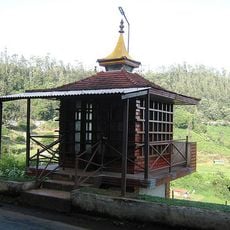
Five indigenous communities live throughout the district, each speaking their own language and maintaining distinct customs that shape daily life in the villages. You can see these differences reflected in local architecture, clothing styles, and the way people practice traditional crafts.
The district enforces a ban on plastic materials throughout the region to protect natural environments and local ecosystems. Visitors should plan accordingly by bringing reusable alternatives and avoiding single-use plastics.
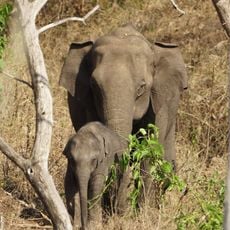
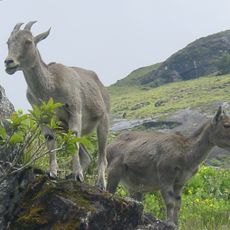
Three national parks cross the district's borders forming an interconnected conservation network for tigers and elephants. This arrangement creates rare opportunities for visitors to encounter large wildlife in natural habitats.
The community of curious travelers
AroundUs brings together thousands of curated places, local tips, and hidden gems, enriched daily by 91,864 contributors worldwide.