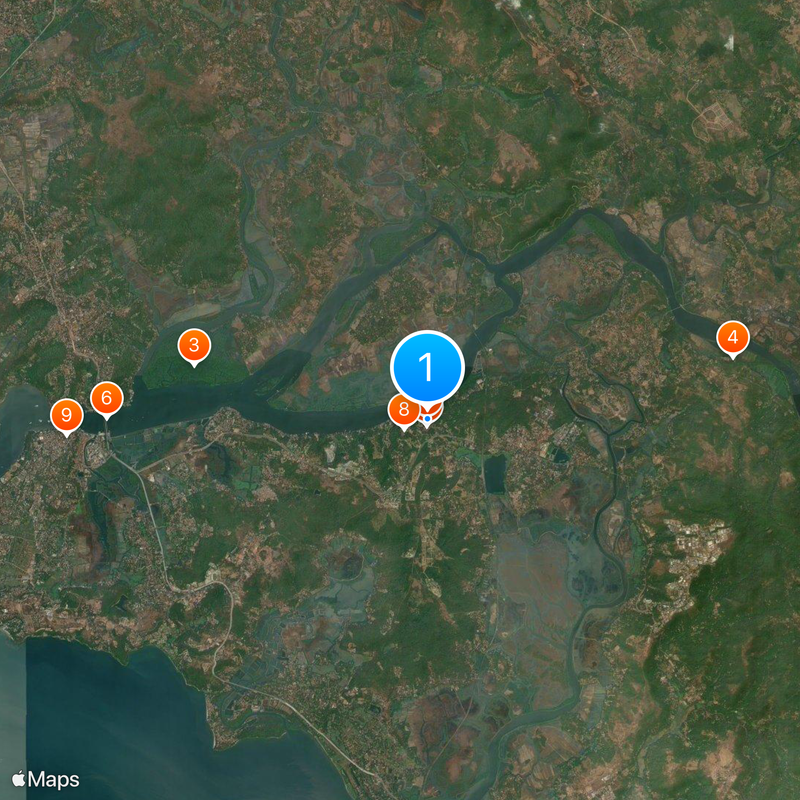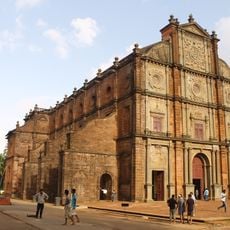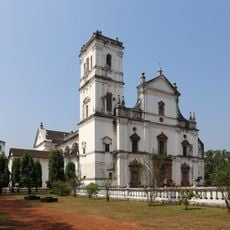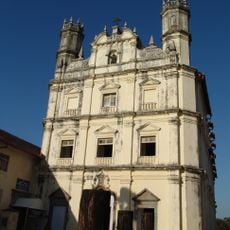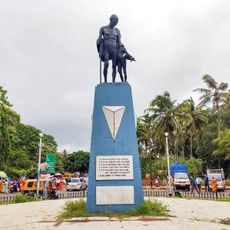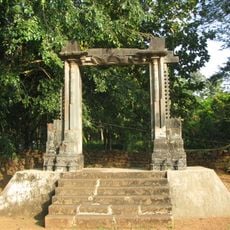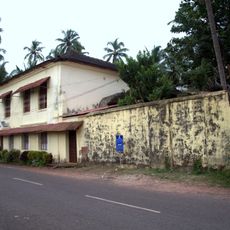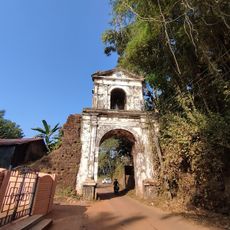
Old Goa, Colonial heritage site in North Goa district, India.
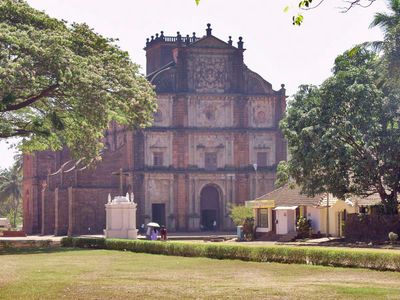
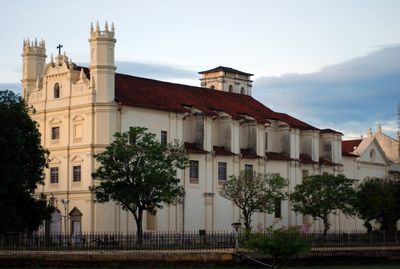
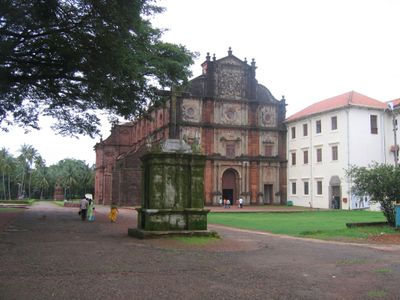
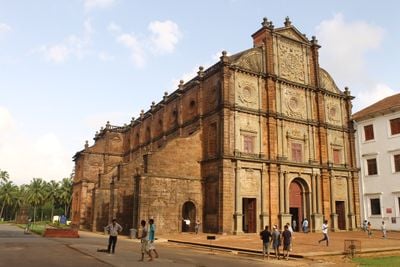
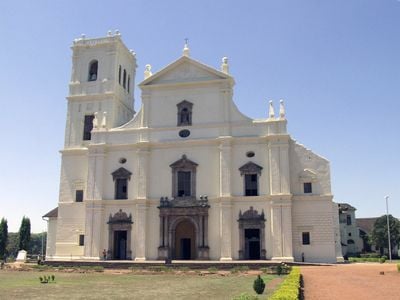
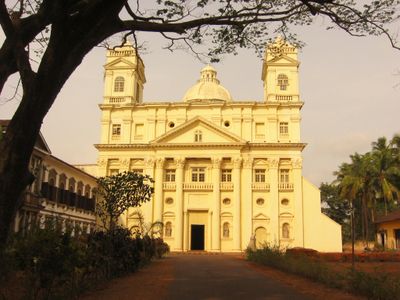
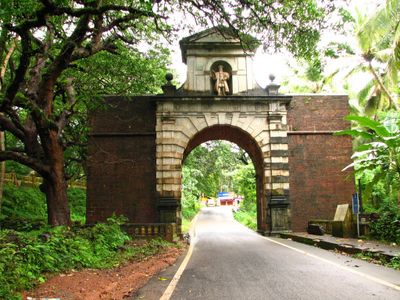
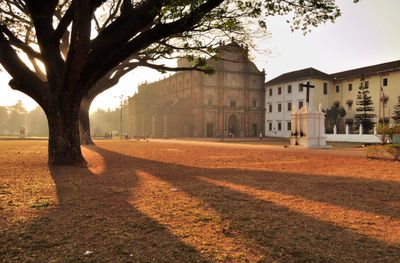
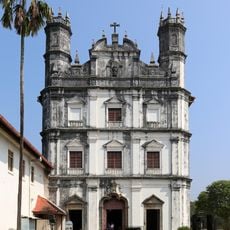
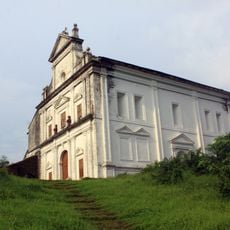
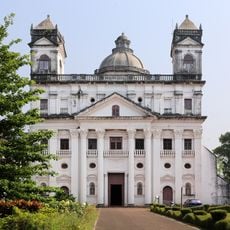
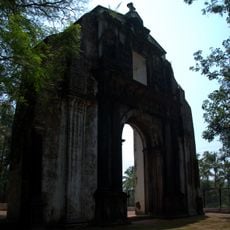
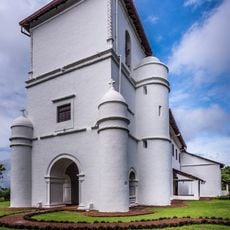
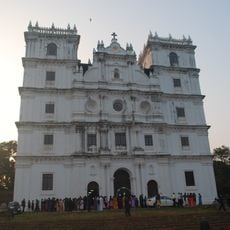
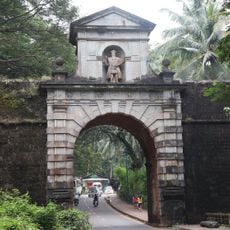
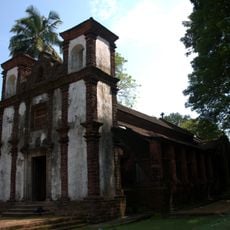
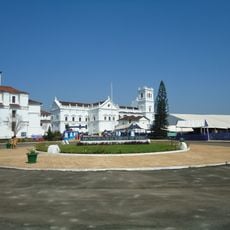
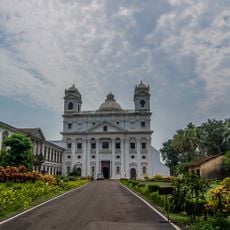
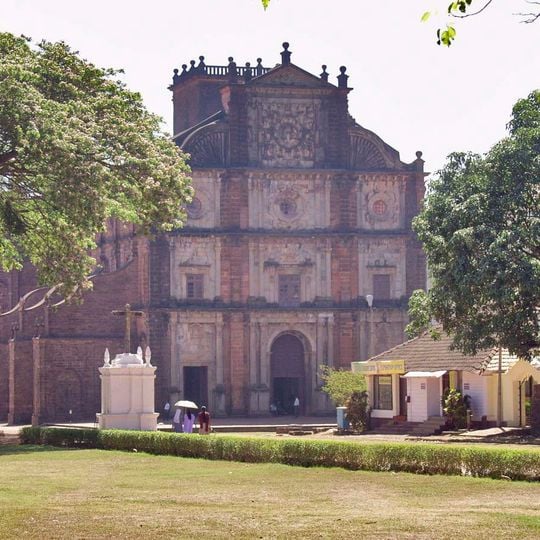
Old Goa is a former capital city on the Mandovi River in North Goa district, now consisting of several churches, convents, and remains of Portuguese colonial buildings. The area extends along the riverbanks, where whitewashed facades with stone portals and bell towers stand among tropical vegetation.
Portuguese forces captured the settlement in 1510 and developed it into a trading hub that grew through maritime commerce with Europe, Africa, and Asia. Epidemics in the 17th century caused the city to decline, leading the administration to relocate to Panaji later.
In Konkani the site is called Saibachem Gõy, "the Master's Goa", after Saint Francis Xavier, who is honoured with novenas from 24 November and a feast on 3 December. The Archbishop of Goa also holds the honorary title Patriarch of the East Indies.
Visitors reach the site by bus or taxi from Panaji, with early morning hours offering cooler temperatures and fewer crowds. Pathways between buildings are mostly paved, though some areas have uneven terrain with roots and steps.
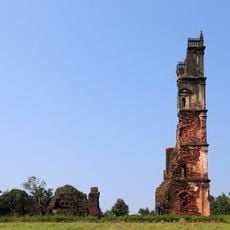
The Archaeological Museum displays inscriptions and coins predating the Portuguese presence, including objects from Hindu and Muslim occupation of the region. The Augustinian Church tower stands as the only roofless ruin, while other structures have been restored.
The community of curious travelers
AroundUs brings together thousands of curated places, local tips, and hidden gems, enriched daily by 92,726 contributors worldwide.