Darjeeling district, Administrative district in West Bengal, India
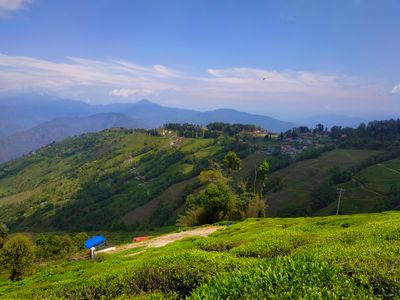
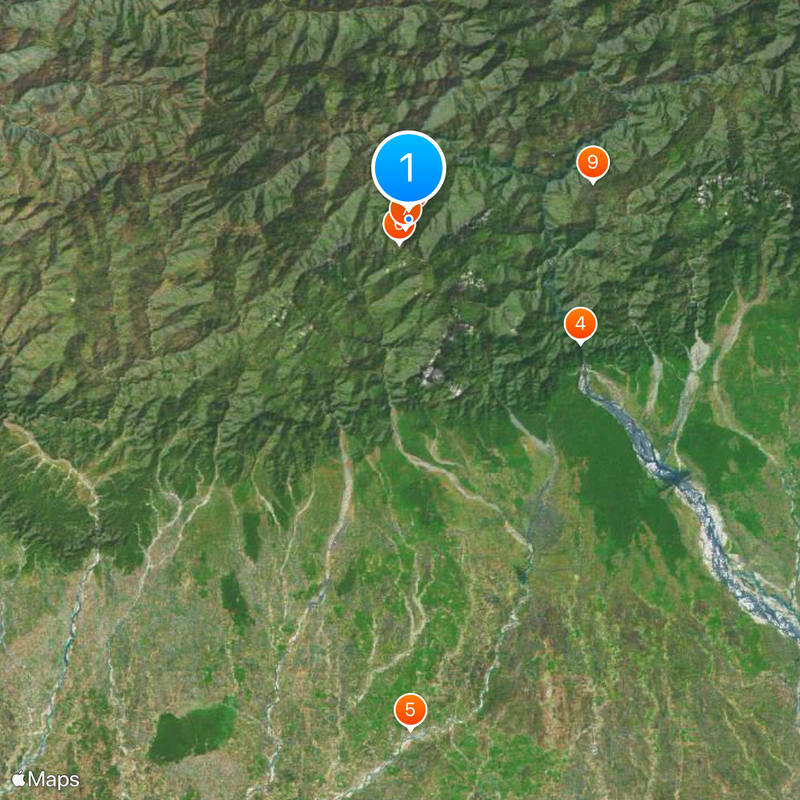
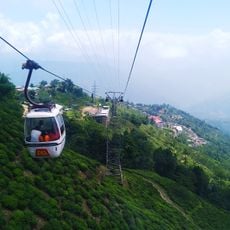
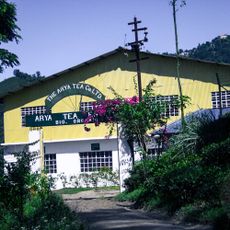
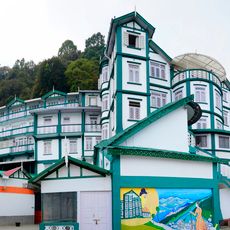
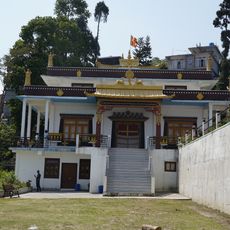
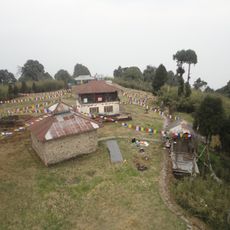
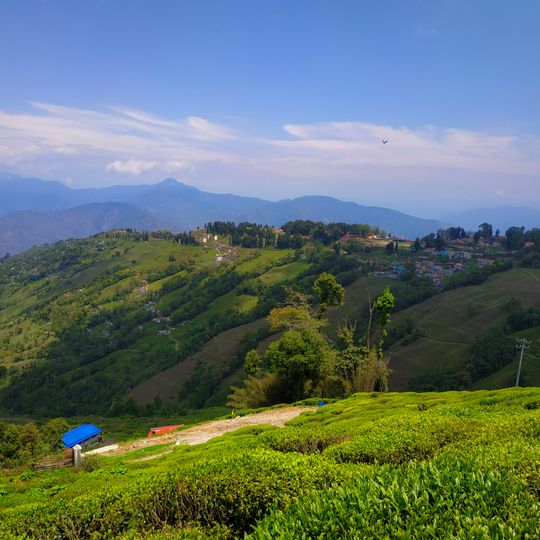
The district sits within Jalpaiguri division in West Bengal and covers hilly areas with tea plantations as well as flatter sections further south. The landscape shifts between dense forests, terraced fields, and small settlements along winding roads.
The British took control from Sikkim in 1835 and soon after began planting tea across the hills. Over the decades, workers arrived from Nepal and other regions to labor on the plantations, shaping the population mix.
Residents speak Nepali in daily life, while Lepcha and Bhutia are also heard, especially in the higher villages. Small shops sell momos and other regional dishes prepared by the different communities living here.
Roads can become slippery during monsoon season, so caution helps when traveling to higher areas. Many places are spread out, so allowing extra time for travel between towns makes sense.
Some tea plantations sit so high that fog often rolls through the rows in the morning, giving moisture to the leaves. These conditions help the tea develop a particular taste that differs from varieties grown in flatter regions.
The community of curious travelers
AroundUs brings together thousands of curated places, local tips, and hidden gems, enriched daily by 92,015 contributors worldwide.