East India, Geographic region in India
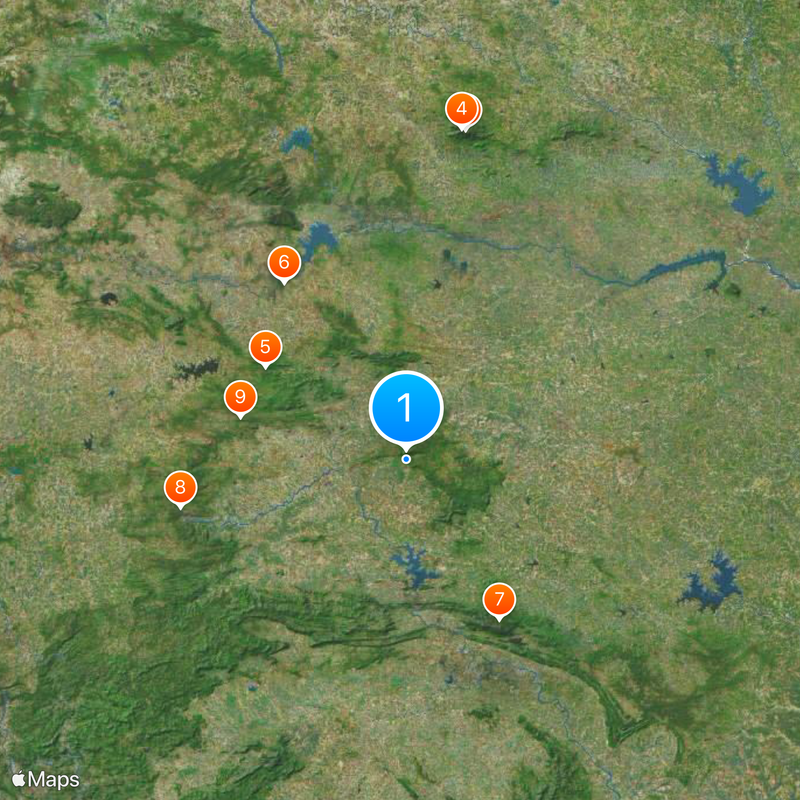
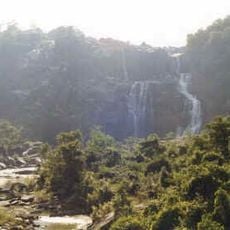
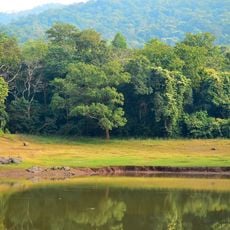
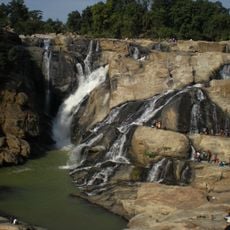
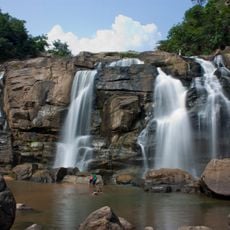
East India covers the states of Bihar, Jharkhand, Odisha, and West Bengal, reaching from the Himalayas to the Bay of Bengal shore. Paddy fields, dense forests, and industrial centers shape a landscape where rural villages exist alongside growing cities.
The East India Company opened its first trading post in Calcutta in 1690, laying the groundwork for British colonial rule. The territory later became the stage for major independence movements that led to the partition of Bengal and the creation of new states.
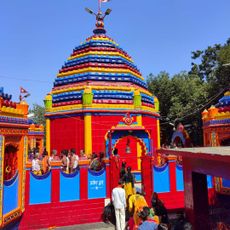
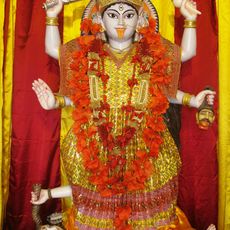
The territory produced Rabindranath Tagore, whose poetry and music continue to shape Bengali culture today. Festivals like Durga Puja show how communities connect their religious traditions with public celebrations, turning streets into open-air galleries.
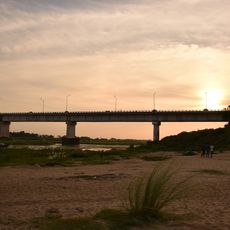
The Ganges and its tributaries cross the northern portion, supplying millions with water for farming and daily life. Travelers find Kolkata the central hub with connections to the other states in the area.
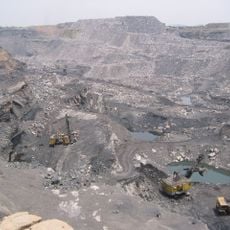
The Chota Nagpur Plateau holds major mineral deposits, making Jharkhand a primary source for coal and iron ore. Beneath the surface lies a large share of Indian mineral reserves, mined for over a century.
The community of curious travelers
AroundUs brings together thousands of curated places, local tips, and hidden gems, enriched daily by 91,827 contributors worldwide.