Vivekananda Setu, Steel railway and road bridge in West Bengal, India
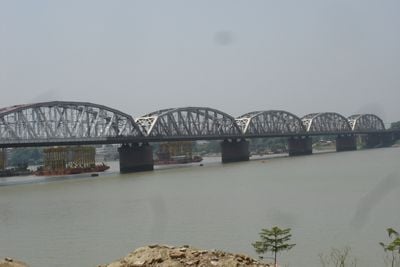
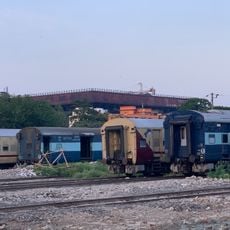
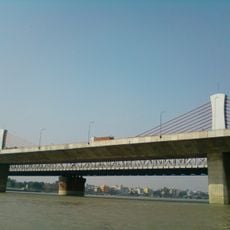
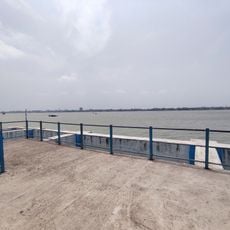
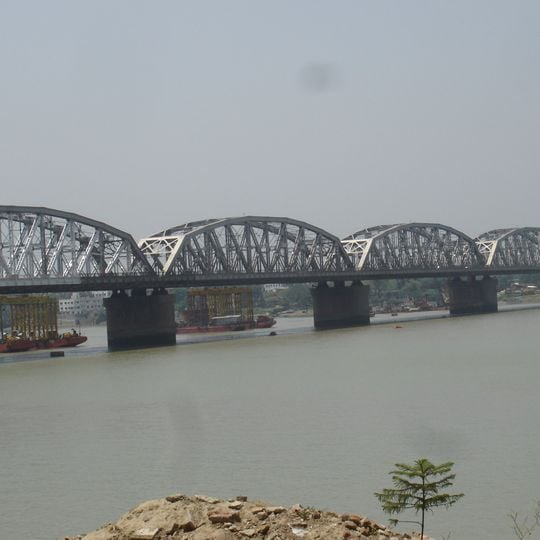
Vivekananda Setu is a railway and road bridge in the Indian state of West Bengal, spanning 880 meters across the Hooghly River and connecting Howrah with Kolkata. The bridge rests on several steel girders supported by large piers and carries both trains on the Calcutta Chord line and light road traffic.
The bridge opened in 1931 under the name Willingdon Bridge and served to link railway networks on both banks of the river. The contractor Rai Bahadur Jagmal Raja oversaw the work, which included lowering caissons into the riverbed to secure the foundations.
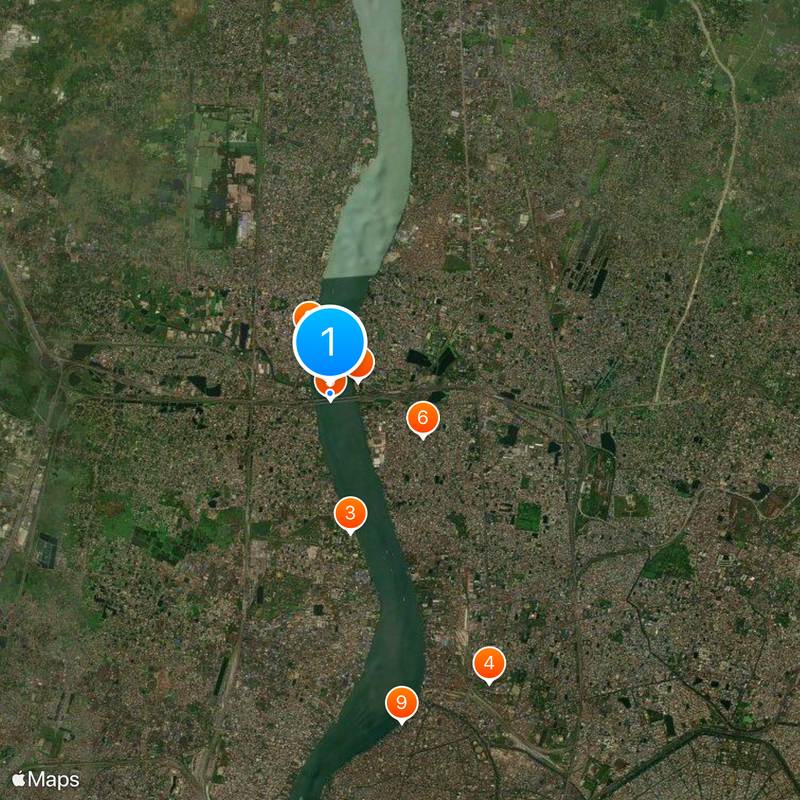
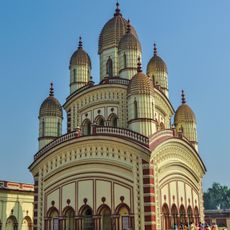
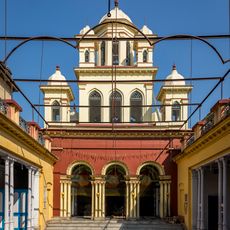
The bridge carries its present name in honor of Swami Vivekananda, a monk and reformer whose teachings shaped modern India. It runs close to the Dakshineswar Kali Temple, an important pilgrimage site, and so links two meaningful places in the region.
Vivekananda Setu carries only light vehicles such as passenger cars; trucks and other heavy vehicles use the Nivedita Setu, built 50 m downstream in 2007. Two- and three-wheelers are barred from the Nivedita Setu toll bridge, so they keep to this bridge. Trains still run across it on the Calcutta Chord link line.
Each steel girder section of the bridge bears a metal nameplate with the name of the contractor, affixed during construction. The caisson technique used during the build posed a technical challenge at the time, requiring precise control underwater.
The community of curious travelers
AroundUs brings together thousands of curated places, local tips, and hidden gems, enriched daily by 92,640 contributors worldwide.