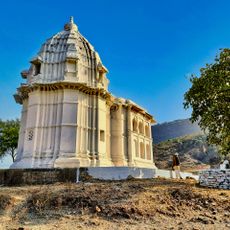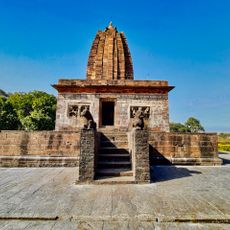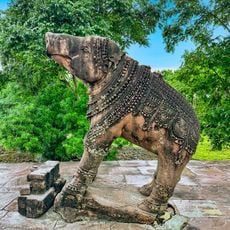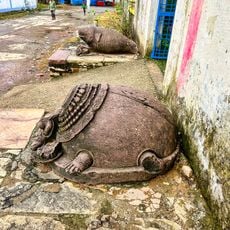
Shiva temple, Bhumara, Hindu temple in Satna district, India
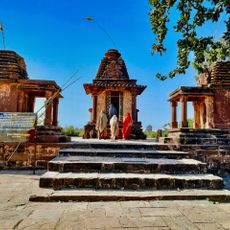
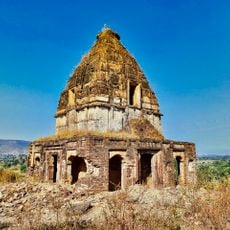
The Shiva temple at Bhumara is a Hindu shrine in Satna with a square layout and an elevated platform supporting a central chamber that houses the sanctum. The structure displays skilled stonework, though many original carvings have been moved to museums for preservation.
The shrine was built during the 5th century in the Gupta period and later became overgrown with dense vegetation until archaeologists rediscovered it in 1920. This rediscovery led to scholarly study and documentation of an important early Hindu monument.
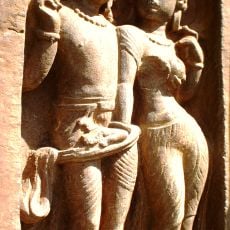
The temple's name is also given as Bharkuleswar, and local tradition links the site to the Bhumara inscription of 484 CE, which records the kings Hastin and Sarvanatha and the boundary between their kingdoms. The sanctum entrance is flanked by carvings of the goddesses Ganga and Yamuna, and the reliefs once included Durga as Mahishasura-mardini, Kartikeya, Kubera, Yama and Kama.
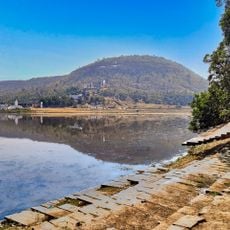
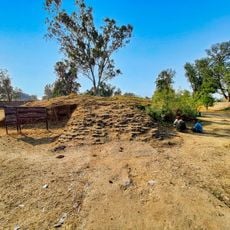
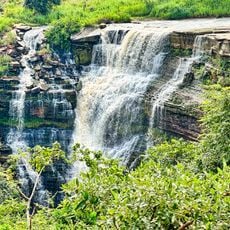
The site lies on a shrubby hill plateau at about 1,500 feet, roughly 40 km southwest of Satna and 19 km west-northwest of Unchehra, with the nearest local train stations around Katni. The excavated remains are the sanctum, platform, stairs and remnant walls, so expect uneven ground and steps 3.43 m long. The forest growth was cleared in the early 1920s, but the plateau is still wooded.
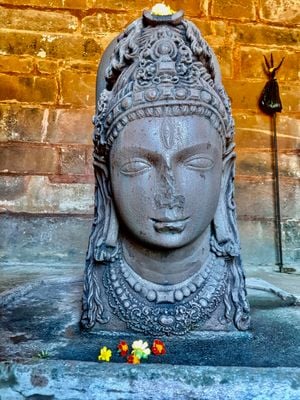
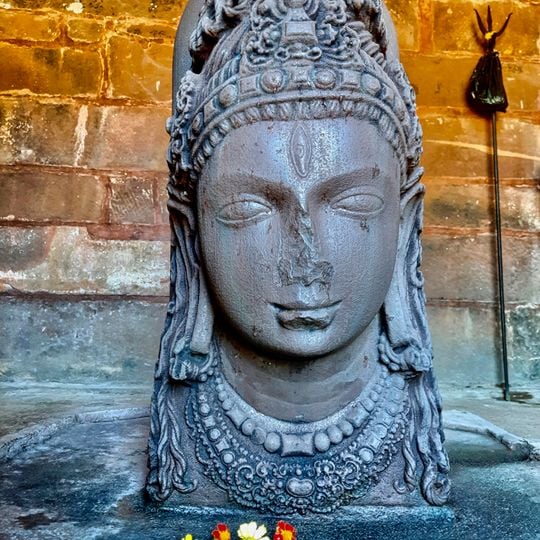
The Ekamukha Linga is a mukhalinga: a lingam carved with a single face of Shiva, shown with a tiered crown, closed eyes and a third eye on the forehead. The nose is worn flat. The sculpture is now kept in the Allahabad Museum, not at the ruined site.
The community of curious travelers
AroundUs brings together thousands of curated places, local tips, and hidden gems, enriched daily by 92,671 contributors worldwide.