Great Nicobar Island, Tropical island in Andaman and Nicobar Islands, India
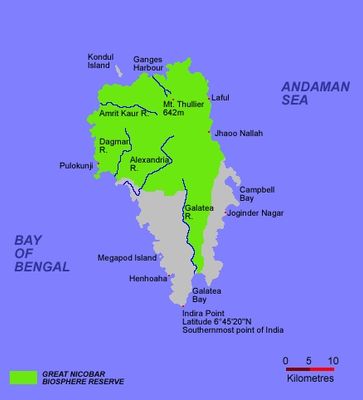
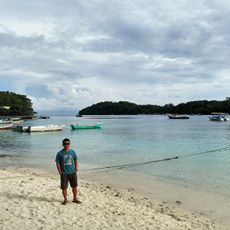
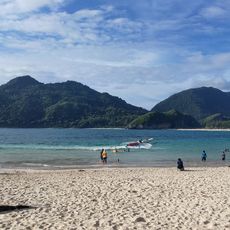
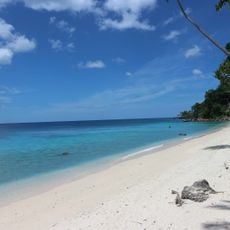
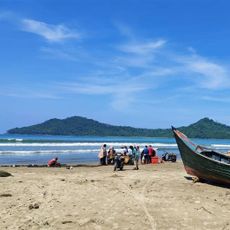
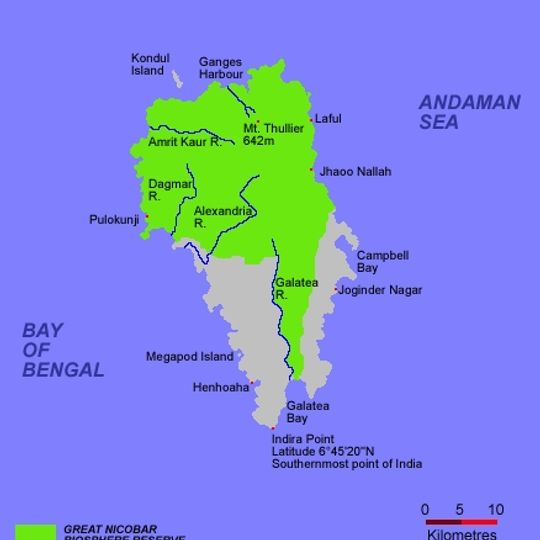
Great Nicobar Island is the largest landmass in the Nicobar archipelago, located in the southeastern Bay of Bengal. It is covered by thick tropical forests and crisscrossed by fast-running streams that feed into the surrounding waters.
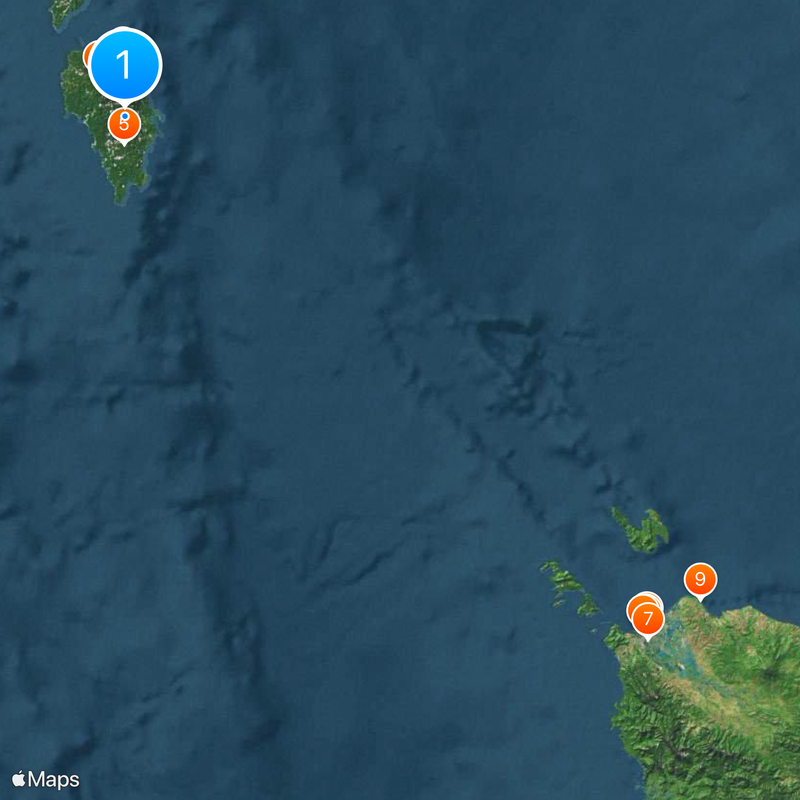
The island was devastated by a major earthquake near Indonesia in 2004, followed by a tsunami that reshaped its coastal areas. This natural disaster left lasting impacts on the infrastructure and landscape of the region.
The indigenous inhabitants practice age-old customs shaped by life on the island, relying on farming and fishing to meet their daily needs. Their way of living remains closely tied to the natural rhythms and resources of their home.
The island stays warm and humid throughout the year, with the heaviest rainfall occurring between May and September. Visitors should prepare for tropical conditions and expect limited accessibility during the wet season.
The island contains an extensive network of surface water sources distributed across its landscape, a feature rarely found elsewhere in the region. This water system provides a crucial resource that sets it apart from neighboring islands.
The community of curious travelers
AroundUs brings together thousands of curated places, local tips, and hidden gems, enriched daily by 90,779 contributors worldwide.