Karmanasa River, Tributary river in Kaimur district, Bihar, India
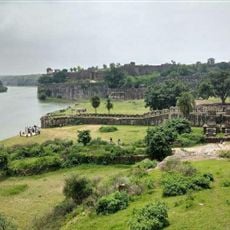
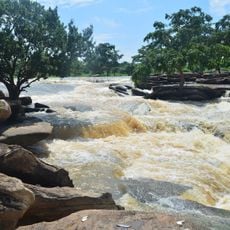
The Karmanasa River flows through Uttar Pradesh and Bihar, stretching 192 kilometers before it joins the Ganges near Chausa. Two main dams, Latif Shah bund and Nuagarh, manage its water flow and support local irrigation systems.
The river witnessed the Battle of Chausa in 1539, when Mughal emperor Humayun was defeated by Sher Shah Sur on its banks. This event marked a turning point in the region's political history.
The name Karmanasa comes from "Karma" (deed) and "Nasa" (destroyer), reflecting how local people see the river's spiritual role. Residents in the region connect the river to old beliefs about consequences and transformation.
The monsoon season offers the best conditions to see the river with fuller water flow and lush surroundings. Access is easiest from nearby villages and local roads around Chausa.
Archaeological digs in the Karmanasa valley uncovered iron artifacts dating back to 1200-1300 BC. These findings point to early human communities that relied on the river as a vital resource.
The community of curious travelers
AroundUs brings together thousands of curated places, local tips, and hidden gems, enriched daily by 92,681 contributors worldwide.