Arnala Fort, Portuguese coastal fort on Arnāla Island, India
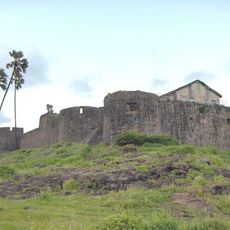
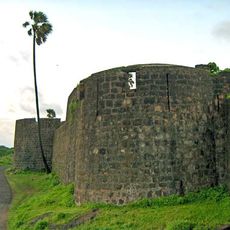
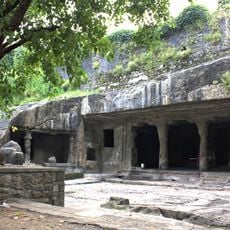
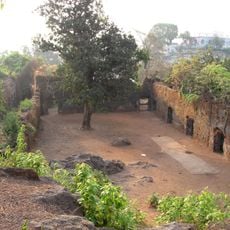
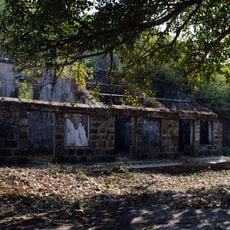
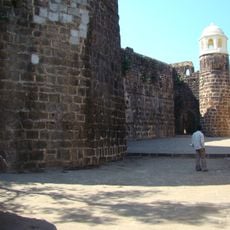
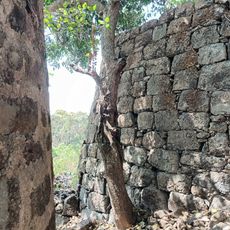
Arnala Fort is a stone fortification on an island at the mouth of the Vaitarna River, featuring high walls and multiple defensive bastions positioned along its perimeter. The structure spreads across the island with thick stone walls and chambers that reflect the military architecture of the 1500s.
The island belonged to Sultan Mahmud Begada of Gujarat before the Portuguese seized it in 1530 and built a bastion at the mouth of the Vaitarna. In 1737, after the Battle of Vasai, Chimaji Appa's general Shankarji Pant took the island for the Marathas, and Bajirao I ordered a new fort built. The British captured it on 18 January 1781, returned it by the Treaty of Salbai, and regained it in 1817.
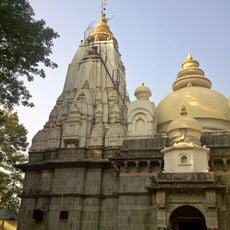
Inside the walls stand temples to Ambakeshwar, Bhavani and Shiva, and the dargas of Shah Ali and Hajji Ali. The paduka, or sacred sandals, of Shrinity Anand are kept in a dome on the eastern face. Outside the main gate is a temple to Kalika Mata, and the fort is ringed by Koli hamlets of three to four thousand people, some farming.
Boats leave from Arnala village beach for the island fort in two windows, roughly 6:00 to 12:30 and 16:00 to 19:00; outside these hours small Koli fishing boats can be hired. Arnala village is about 10 km from Virar station, reached by municipal bus, ST bus or rickshaw. Nothing is sold on the fort, so eat at the beach, where Suruchi buns and fruit orchards line the shore.
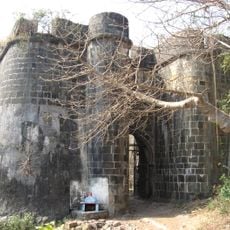
The main gate's arch carries carvings of lions and of elephants holding flower garlands in their trunks, not tigers. A Marathi inscription above it credits Peshwa Bajirao, and records of the fort's construction costs survive in the Peshwa archives.
The community of curious travelers
AroundUs brings together thousands of curated places, local tips, and hidden gems, enriched daily by 93,658 contributors worldwide.