Zangla Monastery, Buddhist monastery in Zanskar region, India
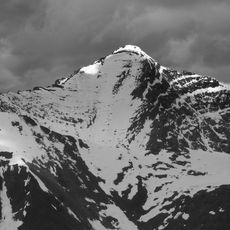
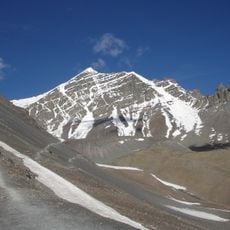
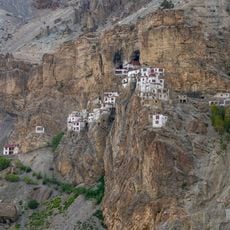
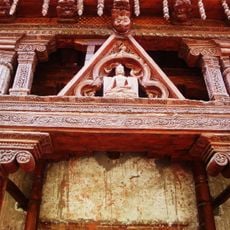
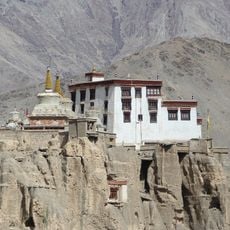
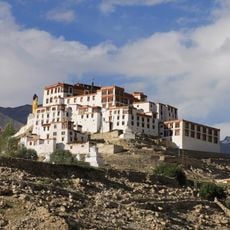
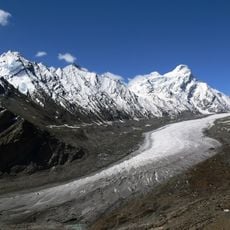
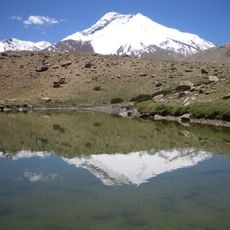
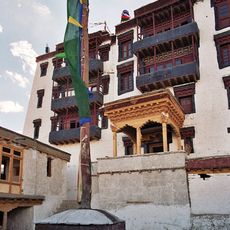
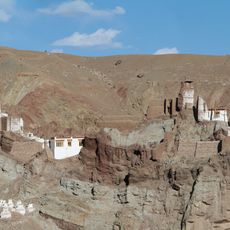
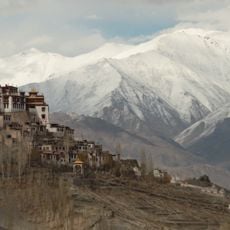
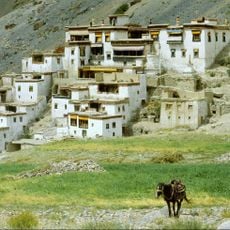
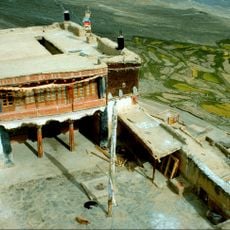
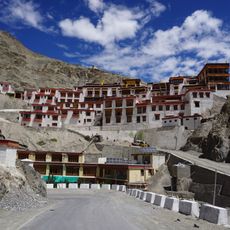
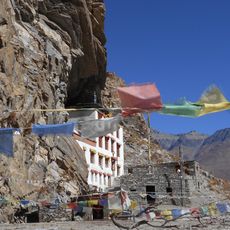
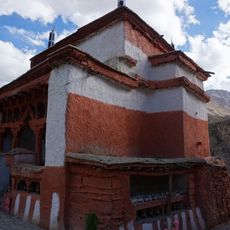
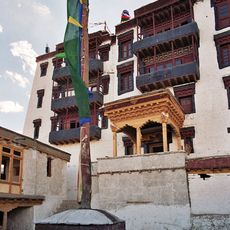
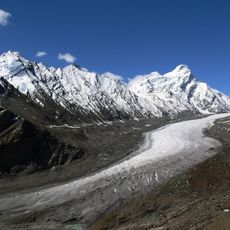
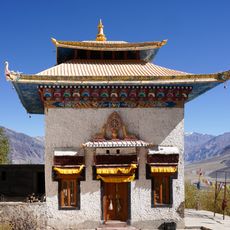
Zangla Monastery is a Buddhist monastery in the Zanskar region with white walls and colorful prayer flags set among Ladakh's mountain peaks. The buildings follow traditional Tibetan architectural styles, positioned on the landscape in a way that integrates with the surrounding terrain.
The monastery was established in the region and became a center for Buddhist learning and practice. A significant event was the stay of Hungarian scholar Alexander Csoma de Kőrös, who created the first Tibetan-English dictionary there from 1823 to 1824.
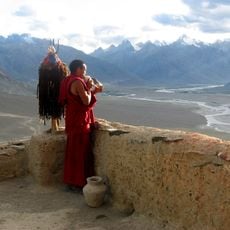
The monastery serves as a living center where monks maintain daily meditation, prayer rituals, and the transmission of Buddhist teachings. Visitors can observe these practices happening naturally throughout the day, offering a glimpse into how the community keeps these traditions alive.
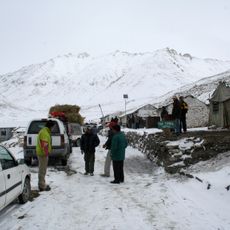
The monastery is best visited from May through September when roads through Kargil district remain clear of snow and accessible by vehicle. Visitors should prepare for high elevation and harsh mountain weather by bringing warm clothing and appropriate gear.
A functioning nunnery operates near the monastery, providing female practitioners with a dedicated space for Buddhist study and religious practice. This separate facility highlights the important role women hold in the Buddhist community of this region.
The community of curious travelers
AroundUs brings together thousands of curated places, local tips, and hidden gems, enriched daily by 60,000 contributors worldwide.