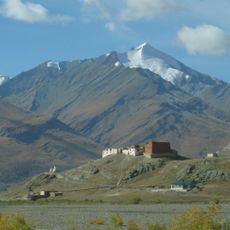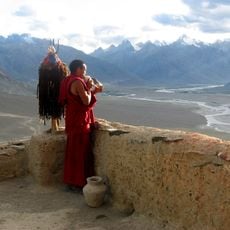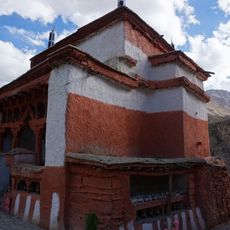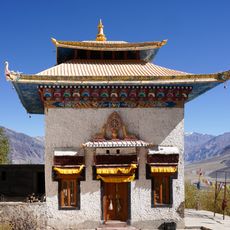
Dzongkhul Monastery, Tibetan Buddhist monastery in Zanskar tehsil, India.
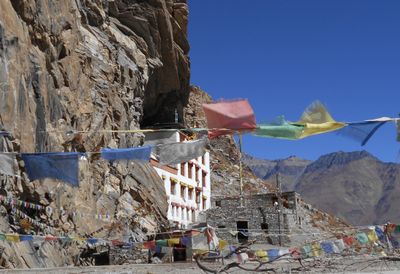
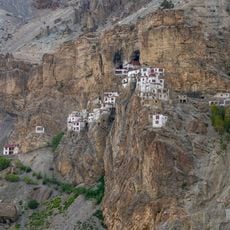
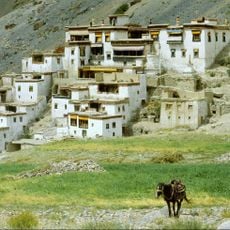
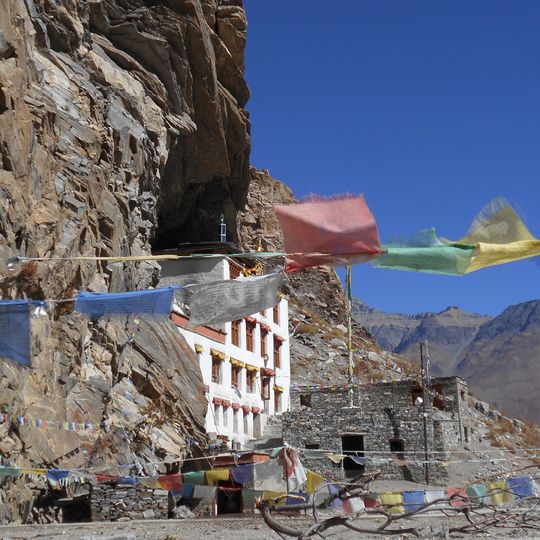
Dzongkhul Monastery consists of two caves carved into a rock face, with ten stone structures arranged in front of the cave openings. The buildings rise in tiers along the cliff, making use of the natural stone formations to create the dwelling and worship spaces.
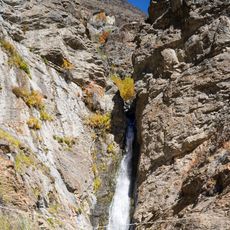
The monastery was discovered and founded in the 11th century by the Buddhist saint Naropa, who chose it as a meditation retreat. His ceremonial dagger was embedded in the wall and created a water source that has been considered sacred ever since.
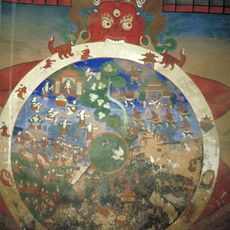
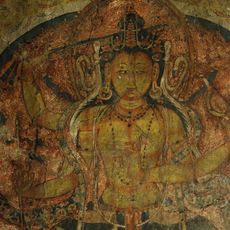
The monastery walls display frescoes created by Zhadpa Dorje, showing detailed images of important Buddhist figures and spiritual scenes. These paintings reflect religious beliefs that have remained central to local worship practices for generations.
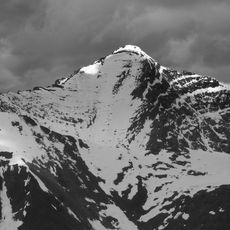
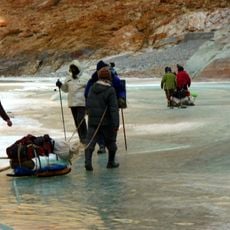
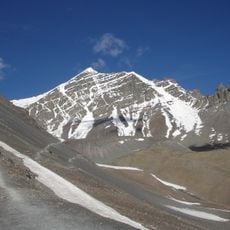
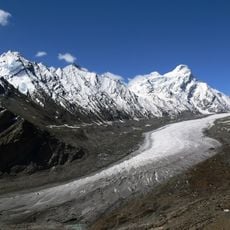
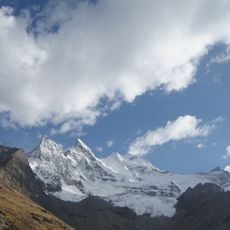
Reaching the monastery requires careful planning due to high elevation and harsh mountain conditions in the region. Visitors should come prepared for extended walks and expect minimal facilities at the site.
The Zongkhul Huchot festival happens during the fourth Tibetan month and notably lacks the masked dances found at other Buddhist celebrations. Instead, the festival emphasizes chanting and prayers that honor the monastery's founder.
The community of curious travelers
AroundUs brings together thousands of curated places, local tips, and hidden gems, enriched daily by 90,753 contributors worldwide.