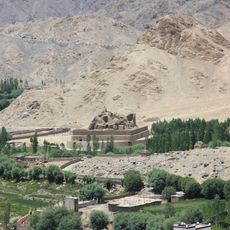
Hemis National Park, National park in Leh district, India
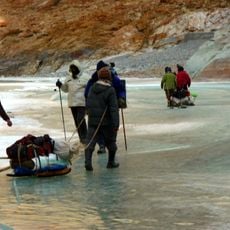
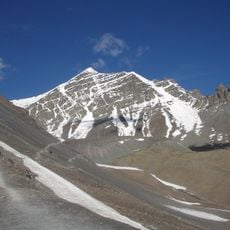
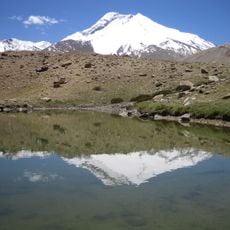
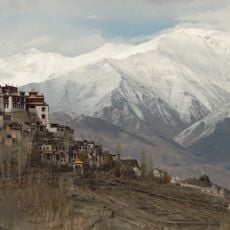
Hemis National Park is a high-elevation national park in the Leh district of Ladakh, India, 50 km from Leh town. It is bounded on the north by the Indus River and includes the catchments of the Markha and Rumbak rivers and parts of the Zanskar Range. The park lies within the Karakoram-West Tibetan Plateau alpine steppe ecoregion, with pine forests, alpine shrublands and meadows, and alpine tundra vegetation.
The Indian government established the reserve in 1981 to protect endangered species in the high-altitude region. It became the largest protected area in northern India, securing migration corridors for snow leopards and Tibetan wolves.
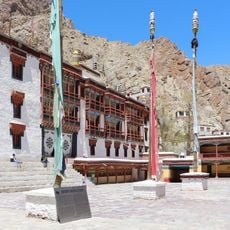
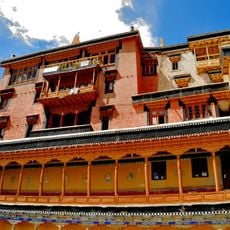
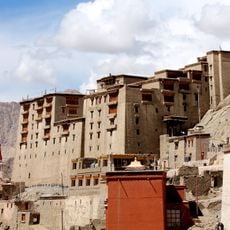
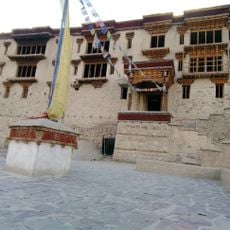
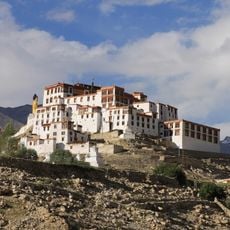
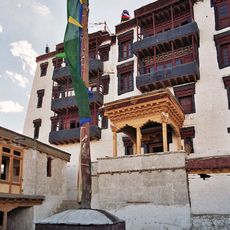
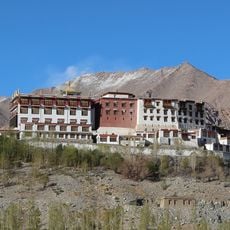
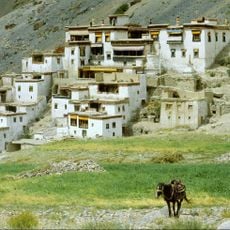
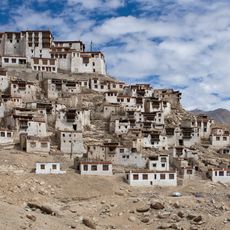
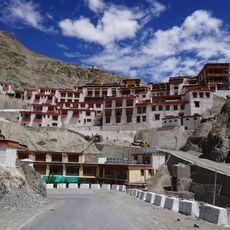
The park takes its name from Hemis Monastery, whose annual Hemis Tsechu festival runs two days in June or July. The monastery was a stop and through-point on the silk routes to Tibet. Over 1,600 people, mostly pastoralists keeping poultry, goats and sheep, live inside the park boundaries.
Any activity inside the park requires special permission from the Chief Wildlife Warden, as the Department of Wildlife Protection of Ladakh is the custodian. Lodging is limited to backcountry camps and village homestays set up through the Snow Leopard Conservancy India Trust since 2000. The park lies about 50 km from Leh town, and over 1,600 people, mostly pastoralists, live within its boundaries.
The area holds the highest concentration of snow leopards anywhere on Earth, drawing biologists who observe the animals in their natural range. Researchers have installed camera traps and tracking systems here that reveal new insights into migration patterns and hunting behavior.
The community of curious travelers
AroundUs brings together thousands of curated places, local tips, and hidden gems, enriched daily by 92,661 contributors worldwide.