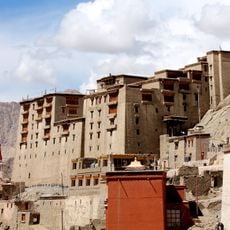
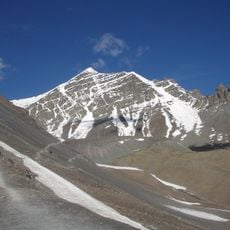
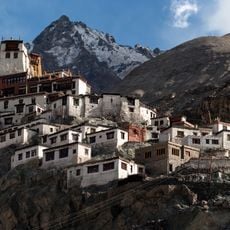
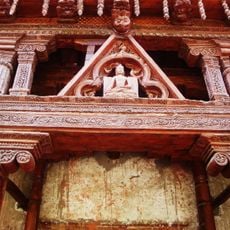
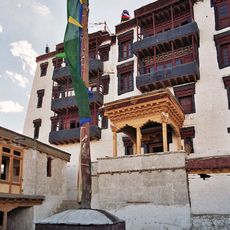
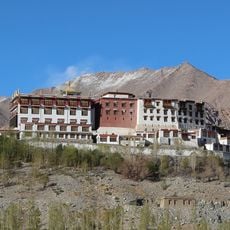
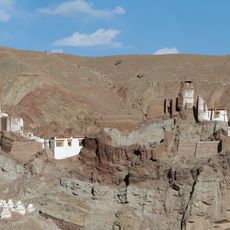
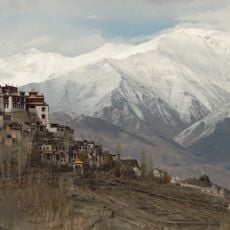
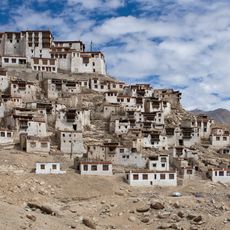
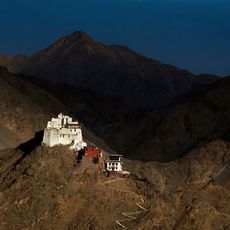
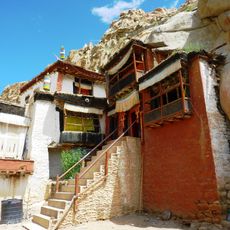
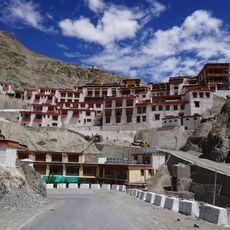
Stakna Monastery, Buddhist monastery in Leh District, India.
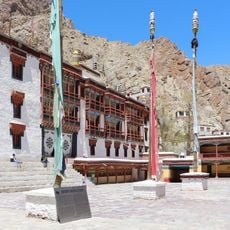
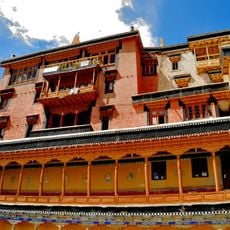
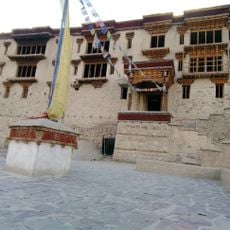
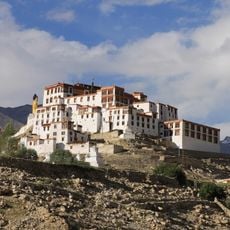
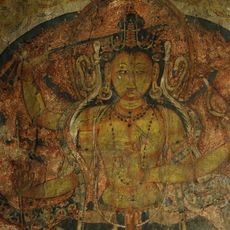
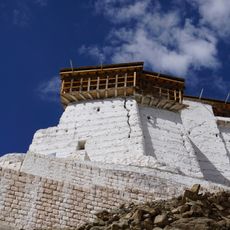
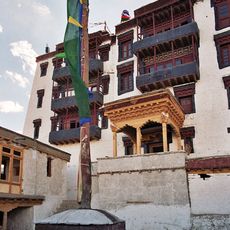
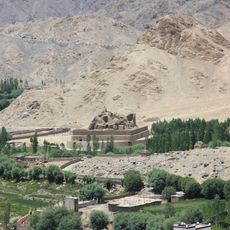
Stakna Monastery stands on a hill above the Indus, 21–25 km from Leh in Ladakh. From the gate a path leads to a central courtyard holding a silver-covered chorten installed in the 1950s, which conceals statues and texts. Beyond it is the dukhang, whose walls carry thangkas of Shakyamuni, Amitayus, Padmasambhava and the Tibetan Buddhist kings; the abbot's throne stands on the left side of the hall.
Stakna Monastery was founded in the late 16th century, probably in 1580, by the Bhutanese scholar and saint Chosje Modzin, also named Chosje Jamyang Palkar. The Dharmaraja Jamyang Namgyal likely helped fund the construction. In the 17th century a dispute over the true reincarnation of the 4th Gyalwang Drukpa split the Drukpa Kagyu lineage, leaving Stakna aligned with the Je Khenpo in Bhutan.
Stakna is the only Bhutanese Drukpa Kagyu monastery in Ladakh, headed by the Je Khenpo in Bhutan, while other Ladakh Drukpa houses follow the Gyalwang Drukpa based at Hemis. The name means "tiger's nose", from the hill it stands on. About 30 monks live here, and the tulku also oversees the Stakrimo, Burdun and Seni gompas.
The road to the monastery is accessible during the warmer months, roughly from April through September, when mountain passes are open. The path up to the complex is steep, so wearing sturdy shoes and taking time on the climb is a good idea.
The sacred Arya Avalokitesvara statue came from Kamrup in Assam, not marble but a revered image housed in the monastery. The hill itself is said to resemble a tiger's nose, which gave the gompa its name, Stakna. The monastery is the only Bhutanese Drukpa Kagyu house in Ladakh, answering to the Je Khenpo in Bhutan rather than to Hemis.
The community of curious travelers
AroundUs brings together thousands of curated places, local tips, and hidden gems, enriched daily by 93,754 contributors worldwide.