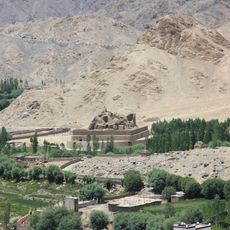
Phyang Monastery, Buddhist monastery in Leh district, India
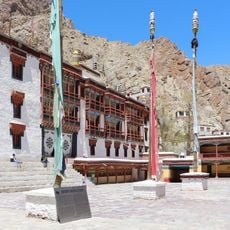
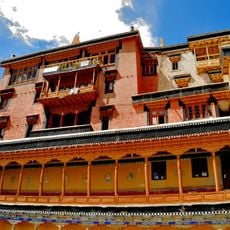
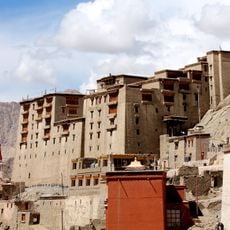
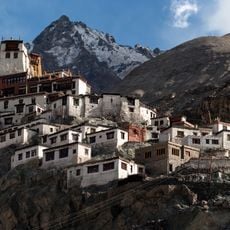
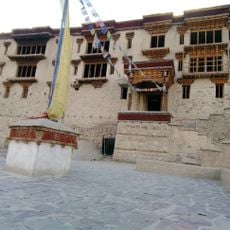
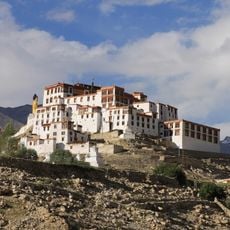
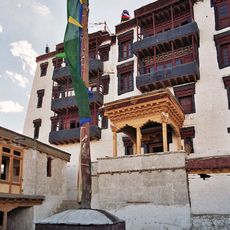
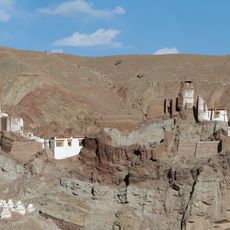
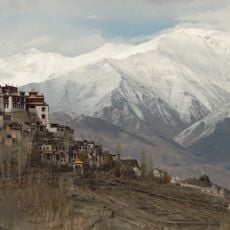
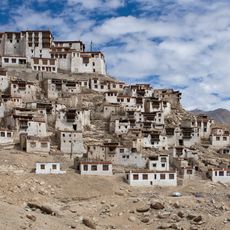
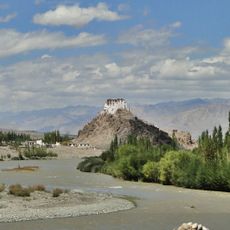
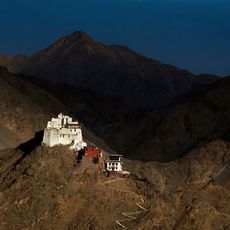
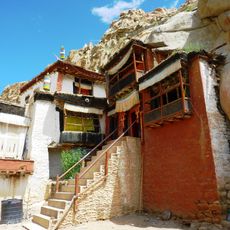
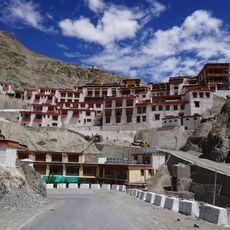
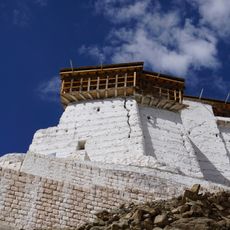
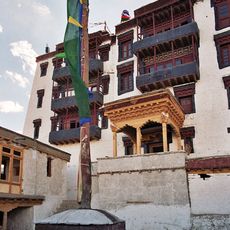
Phyang Monastery is a Tibetan Buddhist sanctuary perched on a hillside above Fiang village, featuring white walls and red trim that follow traditional architectural styles of the region. The complex comprises multiple buildings that house living quarters, prayer halls, and spaces for the monks' daily activities.
This sanctuary was founded in 1515 and later supported by a local ruler who helped it become a significant center of the Drikung Kagyu school of Tibetan Buddhism. Over the centuries, it played a key role in preserving Buddhist traditions throughout the Ladakh region.
The monastery's local name, Gangon Tashi Chodzong, comes from Gang Ngonpo, "blue mountain", after the hill behind it. Its protector is Achi Choki Dolma, who in one founding legend appeared to the monk Denma Kunga Drakpa on a blue horse. The Gang-Sngon Tsedup festival runs from the 17th to the 19th day of the first Tibetan month, and sacred Cham dances are held on the 2nd and 3rd days of the sixth month.
Phyang lies about 15–16 km west of Leh on the road toward Khaltse, in Fiang village; the monastery stands on the hill above the village. The Gang-Sngon Tsedup festival runs from the 17th to the 19th day of the first Tibetan month, and sacred dances are held on the 2nd and 3rd days of the sixth month, so time a visit around those dates.
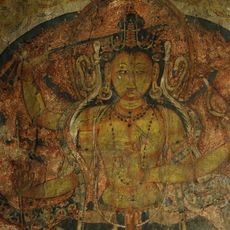
The monastery museum is said to date from the 10th century and holds fine Kashmiri bronzes probably from the 14th century, alongside thangkas and Chinese, Tibetan and Mongolian firearms and weapons. The old Mahakala temple (Gomkhang) has stood since the monastery was built and keeps its wall paintings and thangkas.
The community of curious travelers
AroundUs brings together thousands of curated places, local tips, and hidden gems, enriched daily by 94,562 contributors worldwide.