Baroda Museum & Picture Gallery, Art museum in Vadodara, India.
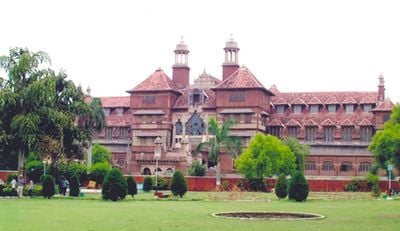
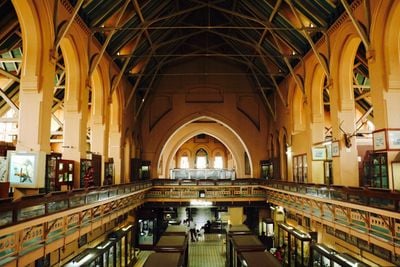
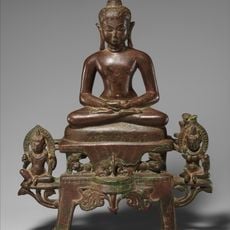
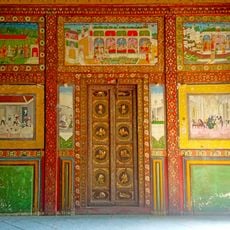
Baroda Museum & Picture Gallery is an art museum in Vadodara that houses artworks, archaeological finds, and natural objects together. Its rooms display collections from Japan, Tibet, Nepal, and Egypt, ranging from craftsmanship techniques to religious artifacts.
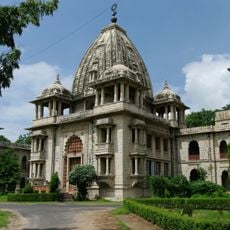
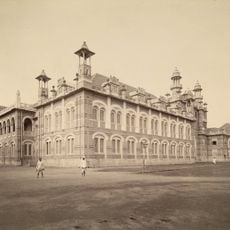
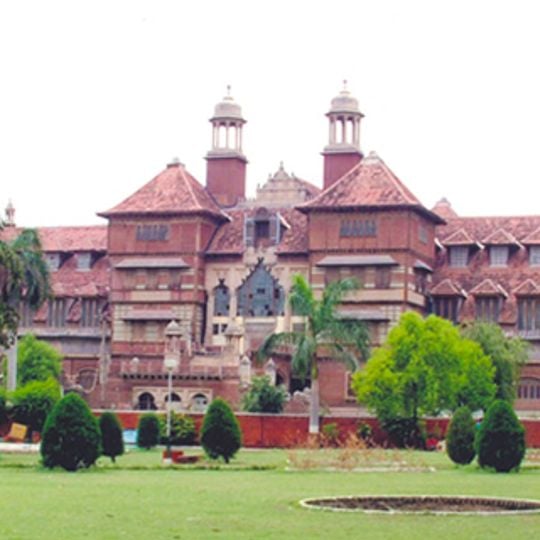
Maharaja Sayajirao Gaekwad III of the Gaekwad dynasty founded the museum in 1887; the building, designed by Major Mant with R. F. Chisholm, was completed and opened to the public in 1894. Construction of the art gallery began in 1908 and finished in 1914, but it opened only in 1921 because the First World War delayed the transfer of European works. In 1952 it became India's first museum to offer a course in museology.
The Picture Gallery opened in 1921, seven years after its 1914 completion, because the First World War delayed the transfer of European works intended for it. Its rooms hold originals by J. M. W. Turner and John Constable, shown near Mughal miniatures and a Tibetan art gallery. The museum's name is often shortened to Baroda Museum.
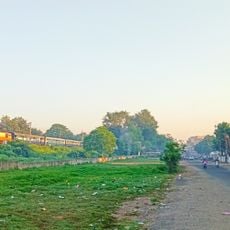
The museum stands in Kamatibaug, Sayajiganj, about 800 metres from Vadodara Central railway station, reachable by bus, train or taxi. It opens 10:30 am to 5:00 pm on all days except government holidays. The complex covers 113 acres, so plan the galleries and the park separately.
The museum houses a blue whale skeleton and an Egyptian mummy among its permanent holdings. These unusual natural history and archaeological objects provide visitors with surprising contrasts to the art collections.
The community of curious travelers
AroundUs brings together thousands of curated places, local tips, and hidden gems, enriched daily by 93,081 contributors worldwide.