Bateshwar, Uttar Pradesh, village in India
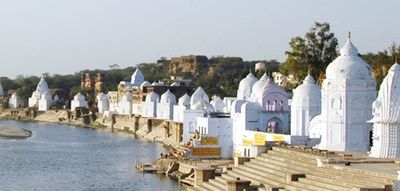
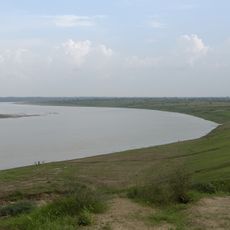
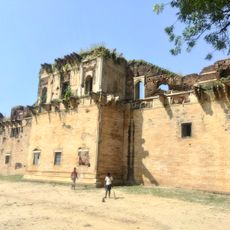
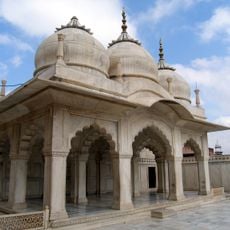
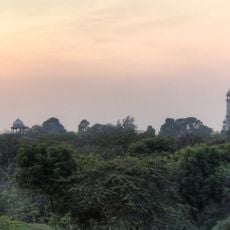
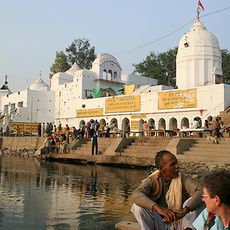
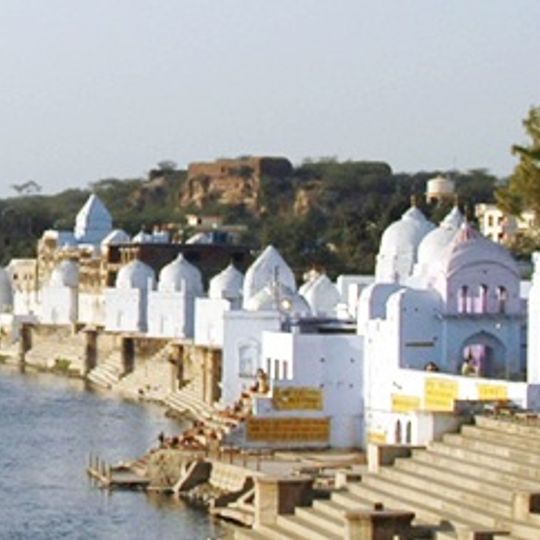
Bateshwar is a small village in Uttar Pradesh on the banks of the Yamuna River, known for a group of approximately 101 Hindu temples built from stone and set close together. These temples feature detailed stone carvings and form a quiet complex spread across one main area.
The village was founded about 400 years ago by Raja Badan Singh Bhadauria, who built most of the temples that remain today. The name comes from a local legend that the Hindu god Shiva rested under a large banyan tree, which still grows at the site.
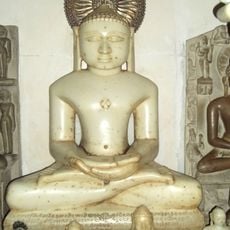
The residents practice their religious devotion at the temples, especially during festivals when traditional music and dance performances bring the community together. These rituals keep local customs alive and connect people to their spiritual past.
The village is accessible by train, bus, or car and sits about 80 kilometers from Agra. The nearest railway station (Bateshwar Halt) is about 5 kilometers from the temple complex, which is useful for visitors traveling without a vehicle.
The village was a significant location during the 1942 Quit India movement, where future prime minister Atal Bihari Vajpayee was arrested. This moment marked the beginning of his political career and linked Bateshwar to India's independence struggle.
The community of curious travelers
AroundUs brings together thousands of curated places, local tips, and hidden gems, enriched daily by 60,000 contributors worldwide.