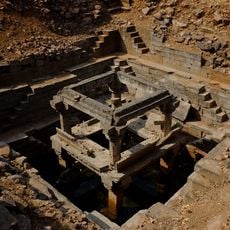
Beejamandal, Khajuraho, Archaeological ruins in Khajuraho, India
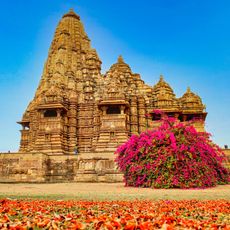
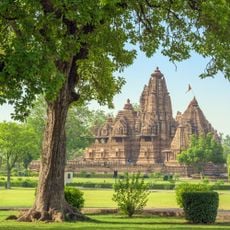
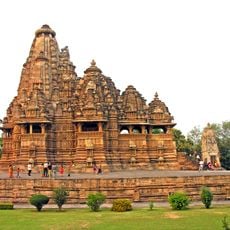
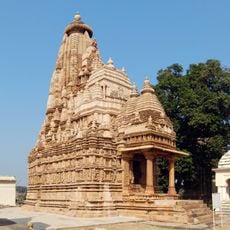
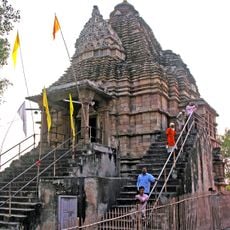
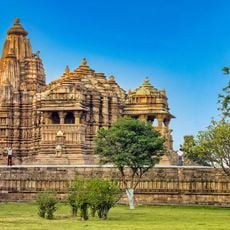
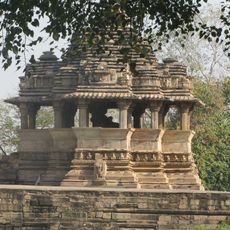
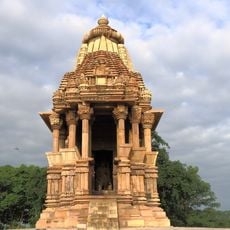
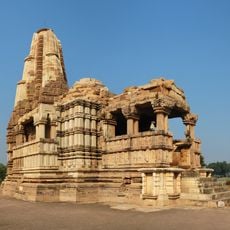
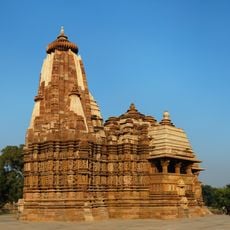
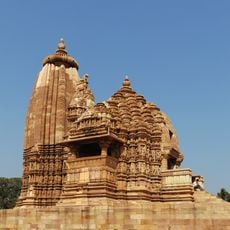
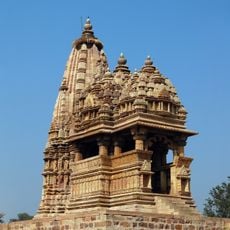
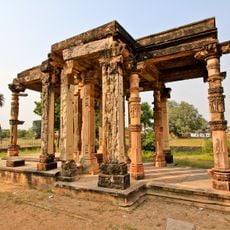
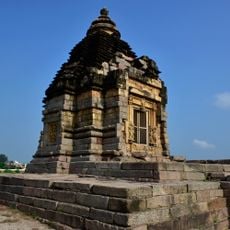
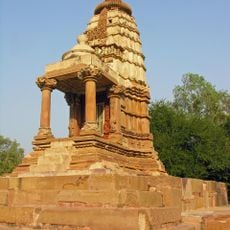
Beejamandal is a Hindu temple in Khajuraho with substantial archaeological remains that span roughly 30 meters in length. The ruins display many stone carvings featuring human figures and intricate architectural details throughout the visible structures.
The temple was built during the 8th century and underwent major renovation in the 11th century under Emperor Naravarman. These two periods of construction reflect how the site remained spiritually important across several centuries.
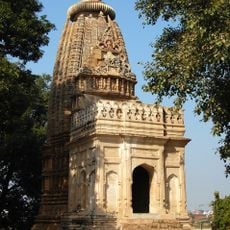
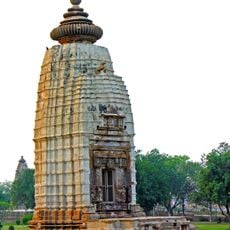
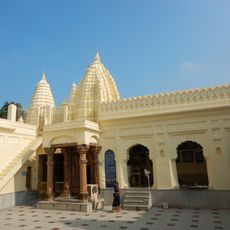
Villagers say most of the structure lies buried, with only its shikhara visible in white stone. From the past they have lit an oil lamp on this shikhara and made offerings there, a practice that continues today. The temple is also identified with the Vaidyanath temple named in the Grahapati Kokkala inscription.
Beejamandal lies near Chaturbhuj Temple in Jatkara village, about 2 km from Khajuraho. The mound is largely unexcavated, with carved niches and unfinished architectural pieces around the plinth. The Archaeological Survey of India cannot excavate other mounds, so access is limited to the exposed ruins.
Archaeologists believe this temple could become the largest in the Khajuraho complex once excavation is fully complete. Ongoing research work may significantly reshape current understanding of this temple site.
The community of curious travelers
AroundUs brings together thousands of curated places, local tips, and hidden gems, enriched daily by 93,046 contributors worldwide.