Kanipakam Vinayaka Temple, Hindu temple in Kanipakam, India
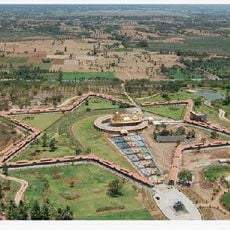
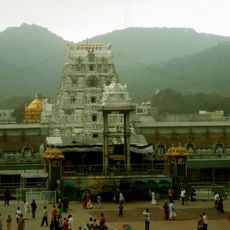
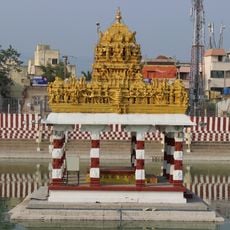
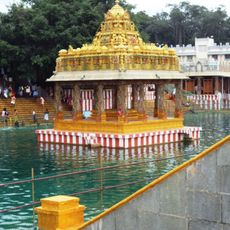
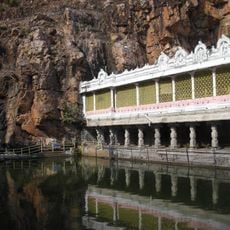
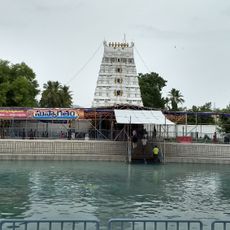
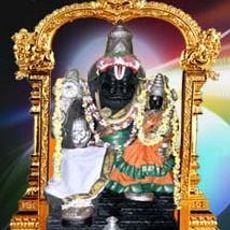
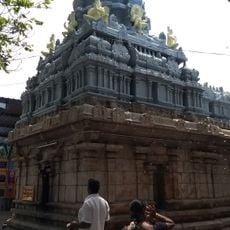
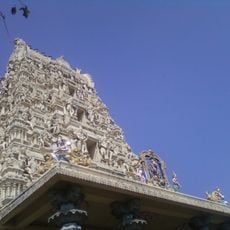
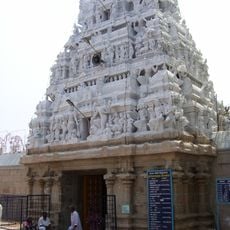
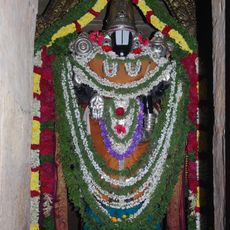
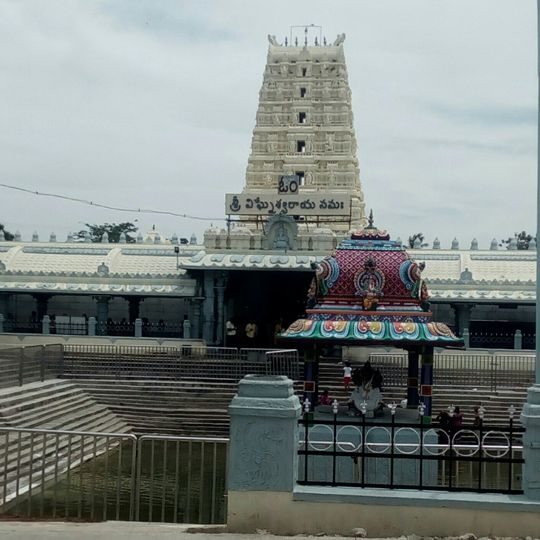
Kanipakam Vinayaka Temple is a Hindu temple in Kanipakam in India, known for its Ganesha sculpture that stands partially in water. Visitors can see only the knee and abdomen of the stone figure, as the rest remains below the surface.
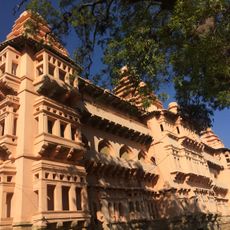
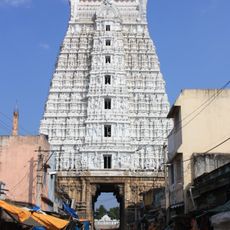
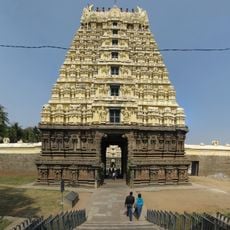
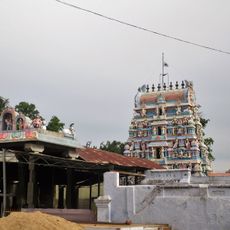
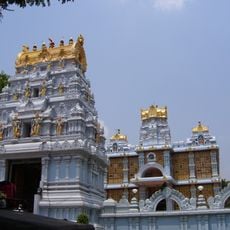
The complex arose in the 11th century under Emperor Kulottunga I of the Chola dynasty. The Vijayanagara Empire extended the buildings in 1336.
The name Kanipakam comes from the Tamil word Kaniparakam, meaning a small canal of coconut water, later shortened to Kanipakam. Devotees call the deity Varasidhi Vinayaka, and oaths sworn before him were accepted as evidence in British-era courts. A well in the courtyard holds the deity's vahana, the mouse.
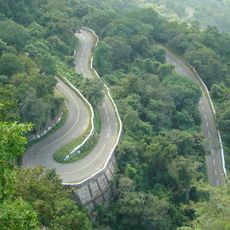
The approach usually goes through Chittoor, which lies 11 kilometers away, or through Tirupati at 68 kilometers' distance. A trust with 15 members manages the site on behalf of the Andhra Pradesh government.
The well where the deity was found still holds water, and the idol is said to have grown: a silver armour made fifty years ago no longer fits, and only the knees and abdomen are now visible.
The community of curious travelers
AroundUs brings together thousands of curated places, local tips, and hidden gems, enriched daily by 92,680 contributors worldwide.