Sajjangad, Hill fort in Satara district, India
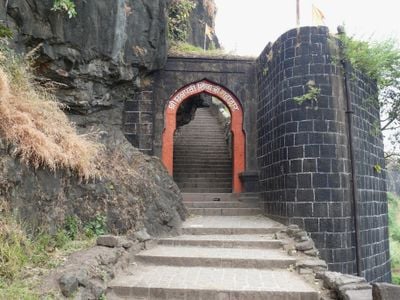
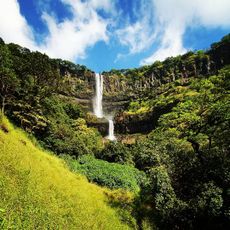
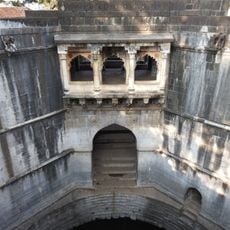
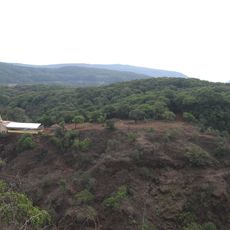
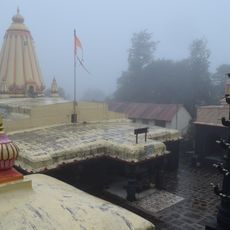
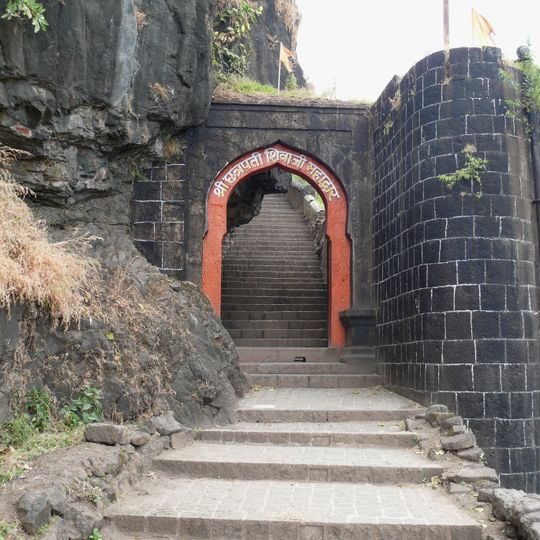
Sajjangad is a hill fort about 10 km southwest of Satara, rising roughly 300 m above the plateau and shaped like a conch shell. Its entrance is reached by stone steps through a gate; inside are the Ram temple, Ramdas Swami's math, the Ghalali lake, and the Angalai temple. The dark basalt walls have an arch painted orange-red with white Devanagari text.
The fort was built by Bahamani rulers between 1347 and 1527 and later passed to the Adilshahi dynasty. Shivaji captured it from Adilshah on 2 April 1673 and renamed the former Parali as Sajjangad. Samarth Ramdas died here on 22 January 1682, and the Mughals took the fort in 1700 before the Marathas retook it in 1709.
The site preserves the shrine of Samarth Ramdas, where pilgrims gather daily to hear readings from his writings and visit the rooms where he meditated. Devotees bring flowers and light oil lamps as they walk the paths he is believed to have walked centuries ago.
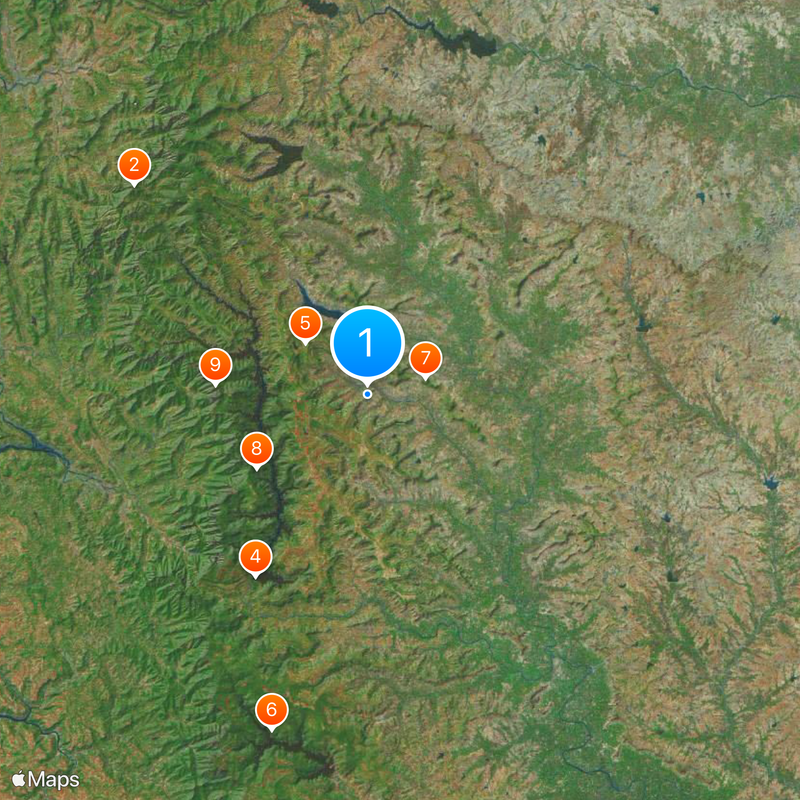
Sajjangad is 18 km from Satara city, and vehicles can drive up to the top; from there about 230 steps lead to the fort gate. The Parali village route on foot takes roughly an hour, with the gate after some 180 steps. The gates close at 9 pm, and entry and exit outside the 5 am to 9 pm hours is restricted.
A trust runs accommodation for pilgrims inside the walls, where meals are served at no charge. The water in the ponds on the grounds is said to never run dry, even during the driest months of the year, according to local tradition.
The community of curious travelers
AroundUs brings together thousands of curated places, local tips, and hidden gems, enriched daily by 95,701 contributors worldwide.