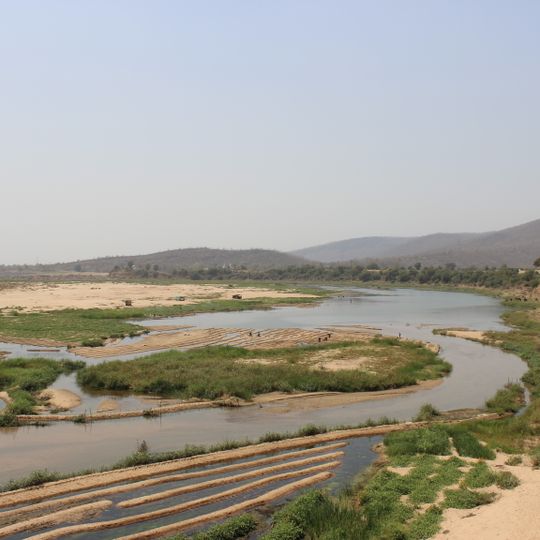
Tawa River, River tributary in Madhya Pradesh, India.
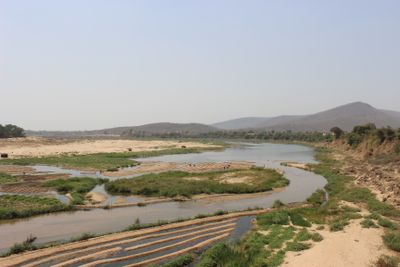
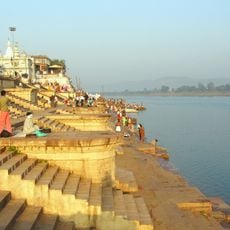
The Tawa River stretches about 172 kilometers across central India, flowing north and west until it merges with the Narmada River near Bandra Bhan village. It winds through farmland and settlements, forming a vital waterway for the surrounding regions.
The Tawa Dam was constructed during the 1950s and became fully operational by 1978, resulting in the submergence of over forty villages. This transformation reshaped water management in the region but displaced many people who had lived along the riverbanks for generations.
The river supports traditional fishing communities whose daily routines and celebrations are deeply tied to seasonal water patterns and local customs.
The river and its reservoir supply water to extensive farmland in the Hoshangabad and Harda districts through irrigation channels. Visitors can explore the dam and reservoir basin from accessible vantage points along the way.
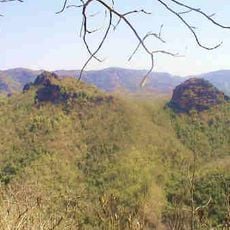
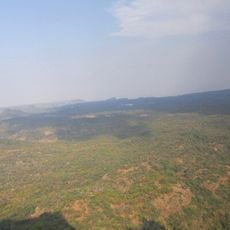
The Bori Reserve Forest along its banks was established in 1865 and remains India's oldest forest reserve. This historic protected woodland harbors rare plant and animal species that draw attention from wildlife enthusiasts.
The community of curious travelers
AroundUs brings together thousands of curated places, local tips, and hidden gems, enriched daily by 91,261 contributors worldwide.