Phumdi, phumdis in Manipur, India
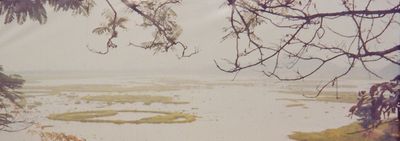
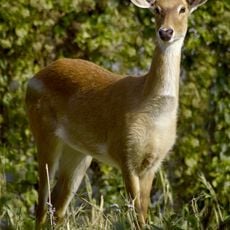
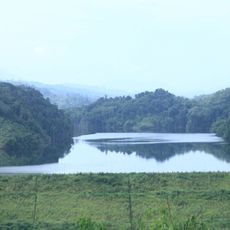
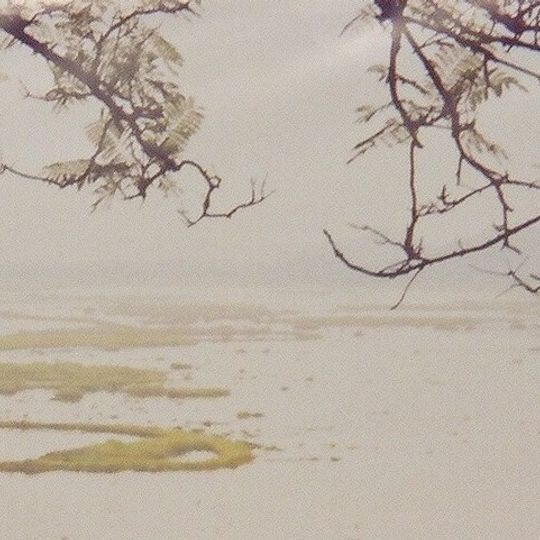
Phumdi are floating mats of vegetation on Loktak Lake in Manipur, made from water plants, grasses, and decaying organic matter. These natural islands vary in size and shape, with the largest covering around 40 square kilometers and serving as refuge for endangered wildlife.
The phumdis formed over centuries from the accumulation of organic material in the lake water and were used by local people for fishing and building homes. The 20th century brought changes through dams and pollution, leading authorities to establish protected areas to preserve the unique environment and endangered species.
The floating islands are named after local language roots, reflecting the community's deep bond with the lake and its waters. Simple wood and thatch houses on the phumdis show how residents have adapted their daily lives to living on shifting ground.
Visiting the phumdis requires boats since the islands float on water and shift position with weather and water level changes. It is best to visit early in the morning when the waters are calm and wildlife is most active.
Athapums, circular floating structures built by the local community for fish farming, have contributed to the natural growth of phumdis over time. This traditional method shows how people and nature have interacted together across generations.
The community of curious travelers
AroundUs brings together thousands of curated places, local tips, and hidden gems, enriched daily by 92,659 contributors worldwide.