Hojai district, Administrative district in Central Assam, India
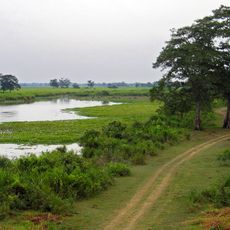
Hojai is an administrative district in Central Assam spread across fertile plains between the Kapili and Jamuna rivers. The area contains agricultural lands, tea plantations, and residential settlements organized under an elected local government.
The region was part of the Davaka kingdom until the 6th century, when the Barahi Pala dynasty took control of the Kapili-Jamuna valley. This period of rule shaped the cultural and social structures that developed across the territory.
The district takes its name from the Dimasa community's priestly class, known as Hojai, and maintains strong connections to indigenous traditions. Local communities continue practices rooted in farming and seasonal celebrations that mark the rhythms of daily life.
The district is divided into three assembly constituencies reflecting its administrative structure. The main government center is located in Sankardev Nagar and serves as a focal point for administrative services and local affairs.
Four primary languages are spoken here: Bengali, Assamese, Hindi, and Meitei, reflecting how different communities have mixed and settled across the area. This linguistic variety is woven into everyday conversations and shows how the region brings together people from different backgrounds.
The community of curious travelers
AroundUs brings together thousands of curated places, local tips, and hidden gems, enriched daily by 92,739 contributors worldwide.