Gulf of Naples, Bay in Campania, Italy
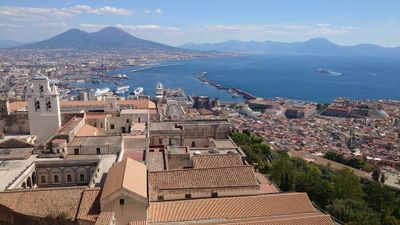
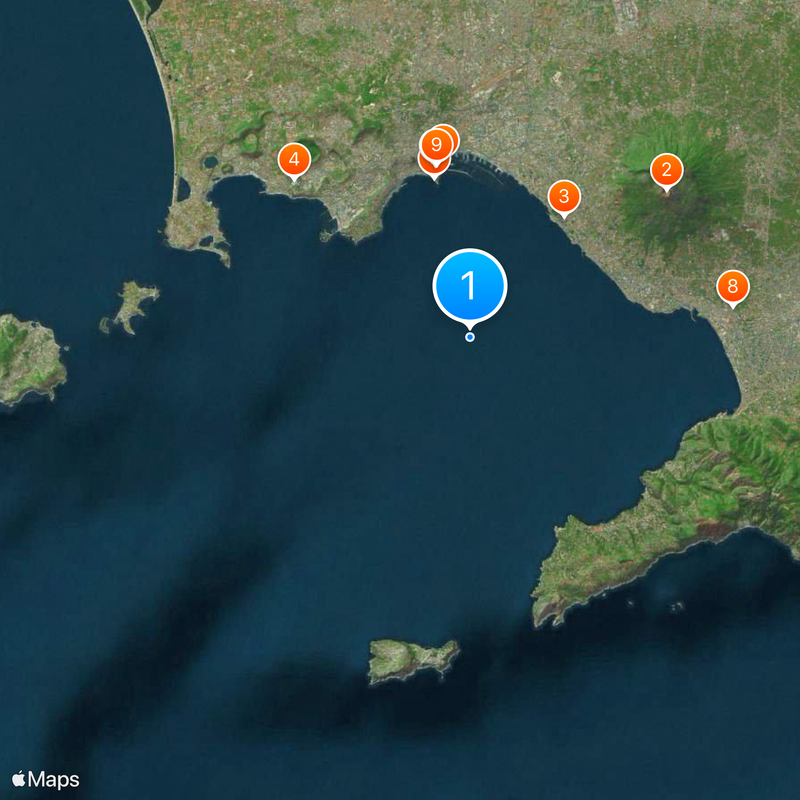
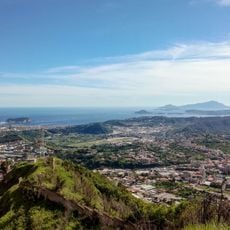
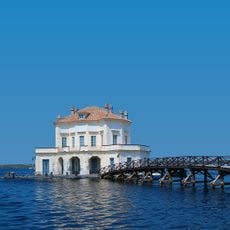
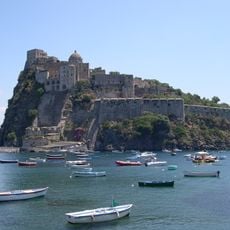
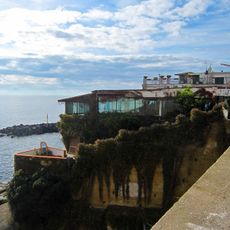
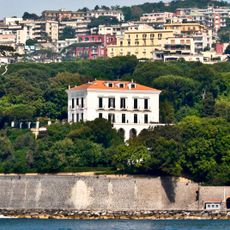
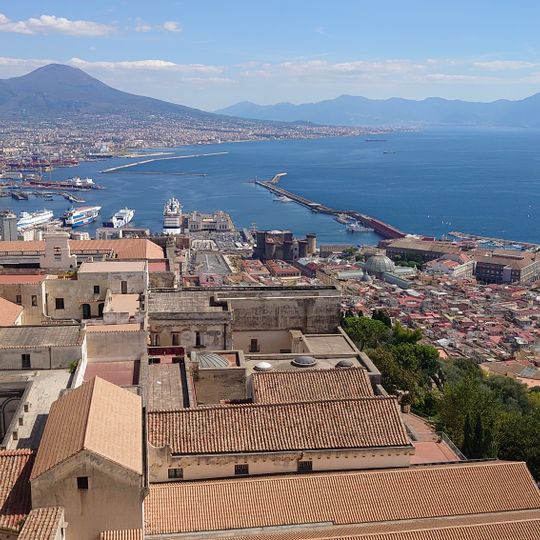
The Gulf of Naples is a large bay on Italy's western coast, stretching between the mainland and several islands offshore. The shoreline features steep cliffs and rocky outcrops, while the water shifts from turquoise in shallow areas to deep blue farther out.
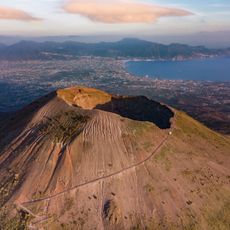
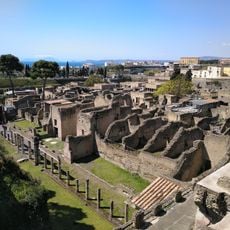
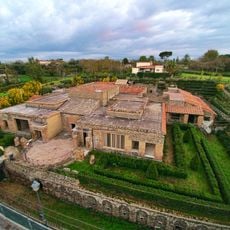
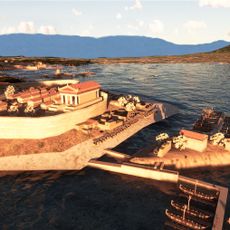
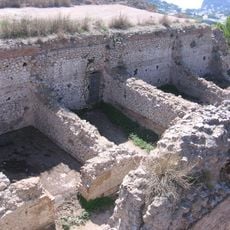
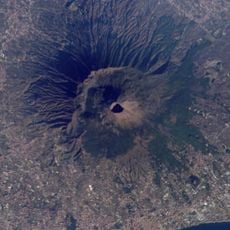
The Romans settled this gulf 2000 years ago, using it as a major port and retreat for the wealthy. Volcanic eruptions and earthquakes shifted the coastline over time, and some ancient towns sank partially into the water.
The area around the gulf has drawn people for thousands of years because of its resources and position on trade routes. Today, the surrounding towns and islands show how communities continue to rely on the sea for their way of life.
Visitors can reach the islands and coastal towns by ferry and speedboat services running year-round. The best time to visit is between May and October, when the weather is mild and the water is warm enough for swimming.
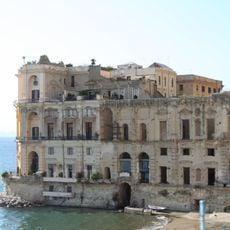
The coast displays an unusual geological process where land slowly sinks and seawater creeps into ancient Roman buildings. This phenomenon, called bradyseism, allows divers to explore submerged ruins just a few meters below the surface.
The community of curious travelers
AroundUs brings together thousands of curated places, local tips, and hidden gems, enriched daily by 91,792 contributors worldwide.