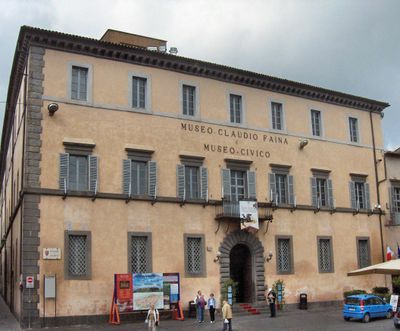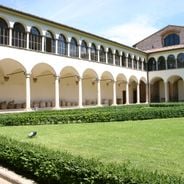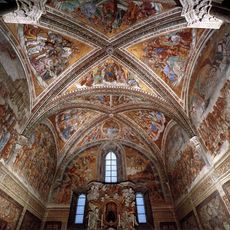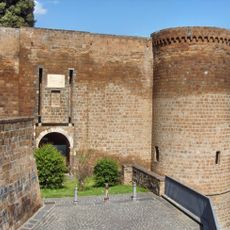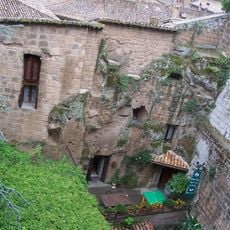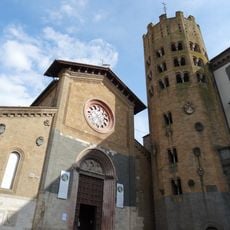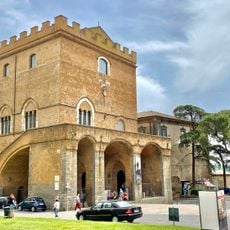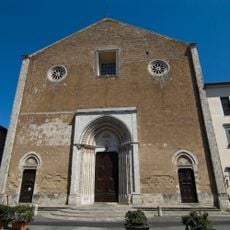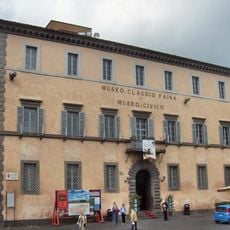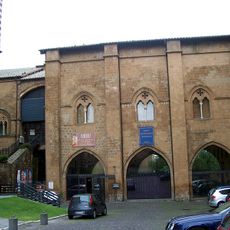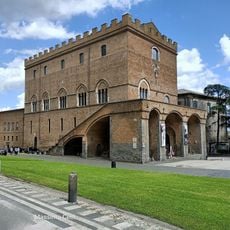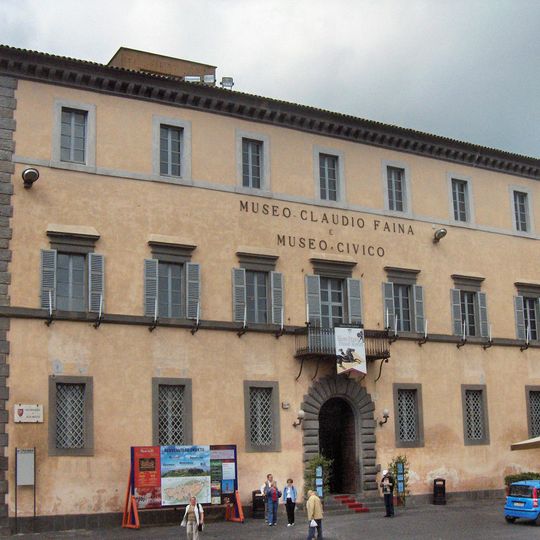
Museo Claudio Faina, Archaeological museum in Orvieto, Italy.
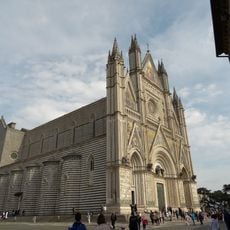
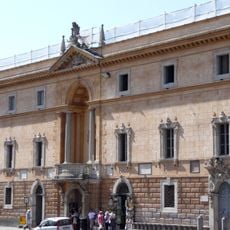
The Museo Claudio Faina is an archaeological museum located in Orvieto inside Palazzo Faina, positioned across from the Cathedral, with collections spread across multiple levels. The galleries display bronze statues, Etruscan objects, Greek pottery, and Roman coins organized by period and origin.
The museum was founded in 1864 by Count Mauro Faina as a private collection of local discoveries. Over time, it grew through acquisitions from excavations in the surrounding region, particularly from burial sites like Crocifisso del Tufo.
The collection shows how the Etruscans lived, worshipped, and created objects for their daily lives and temples. You can see the craftsmanship and beliefs reflected in sculptures, pottery, and ceremonial items on display.
The museum is open to visitors daily with seasonal hours that change between warmer and cooler months throughout the year. The collections are arranged across several floors, so plan time to explore the different galleries and displays at your own pace.
Princess Maria Bonaparte donated ancient vases from the Vulci necropolis to help establish the museum's initial collection. This connection shows how European nobility once shaped archaeological institutions across Italy.
Location: Orvieto
Inception: 1864
Official opening: 1864
Accessibility: Wheelchair accessible
Opening Hours: Monday-Sunday 09:30-18:00,10:00-17:00
Phone: +390763341216
Email: fainaorv@tin.it
Website: http://museofaina.it
GPS coordinates: 42.71692,12.11262
Latest update: December 6, 2025 17:45
Umbria preserves traces of over two millennia of history through its archaeological sites, religious monuments, and remarkable natural formations. The region features underground complexes such as Orvieto Underground with its 1,200 passages carved into volcanic tuff, and Narni Underground, revealing medieval chapels and remains of Roman aqueducts. Visitors also explore the Dunarobba Fossil Forest, where 50 petrified tree trunks dating back three million years showcase the region's geological evolution. Medieval castles like Rocca Albornoziana overlook ancient towns, while monasteries such as San Pietro in Valle and Eremo delle Carceri maintain medieval art and spirituality. The Umbrian landscape stretches from Gubbio's Roman theaters to mountain villages like Castelluccio, perched at 1,452 meters (4,764 feet) above sea level, and includes the Nera Natural Park, which protects over 2,120 hectares (5,243 acres) of forests and limestone formations. These sites trace the region’s history from the Etruscan civilization through the Renaissance.
Pozzo di S. Patrizio
99 m
Orvieto Cathedral
55 m
Cappella di San Brizio
105 m
Fortezza Albornoz
789 m
Pozzo della Cava
641 m
Sant'Andrea
351 m
Orvieto subterranea
47 m
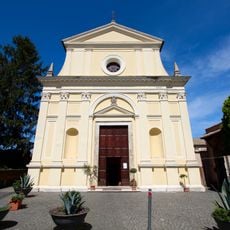
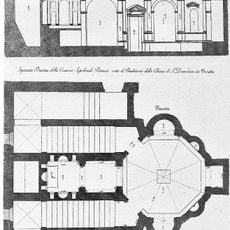
San Domenico, Orvieto
470 m
Chiesa di San Giovenale
799 m
Palazzi rinascimentali di Orvieto
302 m
Museo dell'Opera del Duomo
108 m
Chiesa di San Francesco
154 m
Palazzi moderni di Orvieto
209 m
Museo archeologico nazionale di Orvieto
110 m
Museo Emilio Greco
122 m
Church of Santa Maria dei Servi
617 m
Cappella Petrucci
472 m
San Lodovico
493 m
Labirinto Di Adriano
400 m
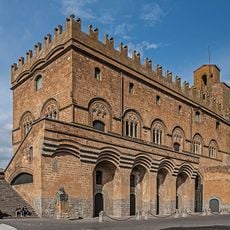
Palazzo del Capitano del Popolo
308 m
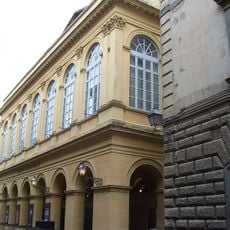
Teatro Comunale Mancinelli
157 m
Santa Maria della Cava
603 m
San Lorenzo de Arari
297 m
Sant'Angelo
244 m
San Bernardino
217 m
Santi Severo e Martirio
99 m
San Giuseppe
137 m
Santi Giuseppe e Giacomo
222 mReviews
Visited this place? Tap the stars to rate it and share your experience / photos with the community! Try now! You can cancel it anytime.
Discover hidden gems everywhere you go!
From secret cafés to breathtaking viewpoints, skip the crowded tourist spots and find places that match your style. Our app makes it easy with voice search, smart filtering, route optimization, and insider tips from travelers worldwide. Download now for the complete mobile experience.
A unique approach to discovering new places❞
— Le Figaro
All the places worth exploring❞
— France Info
A tailor-made excursion in just a few clicks❞
— 20 Minutes