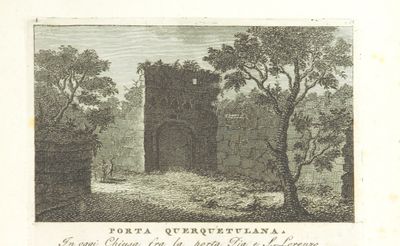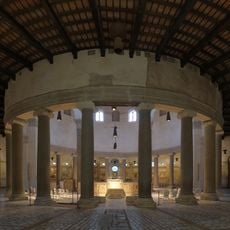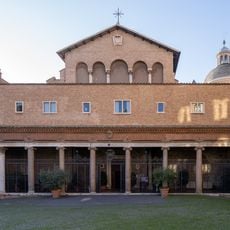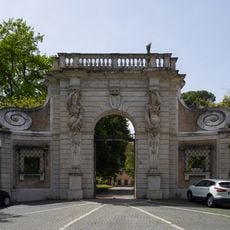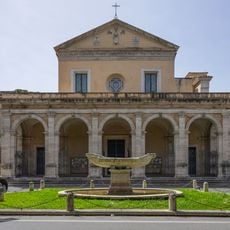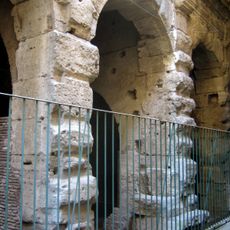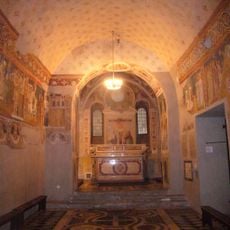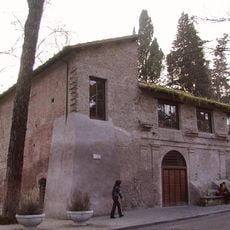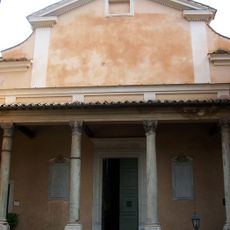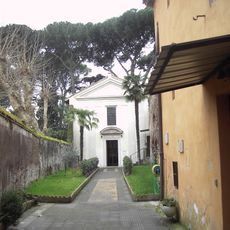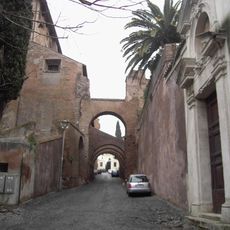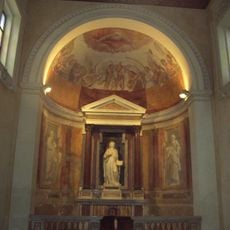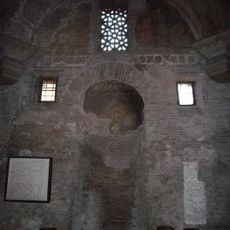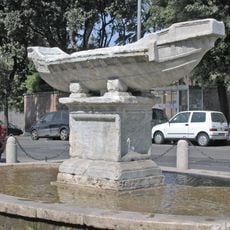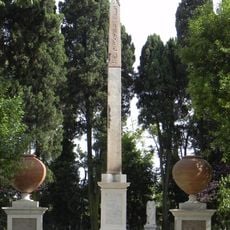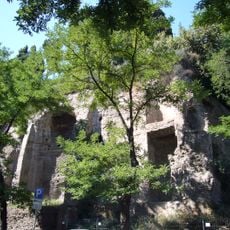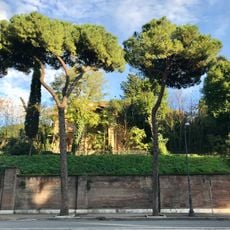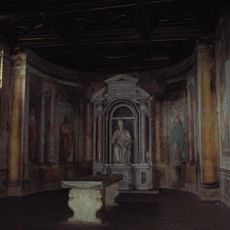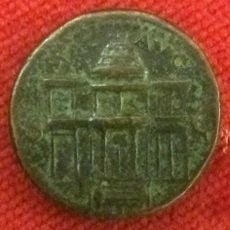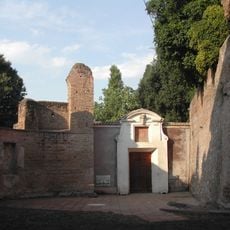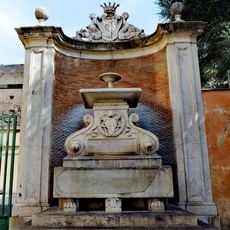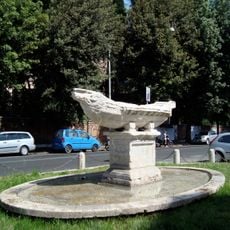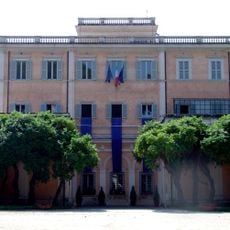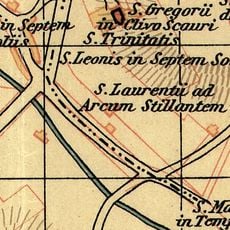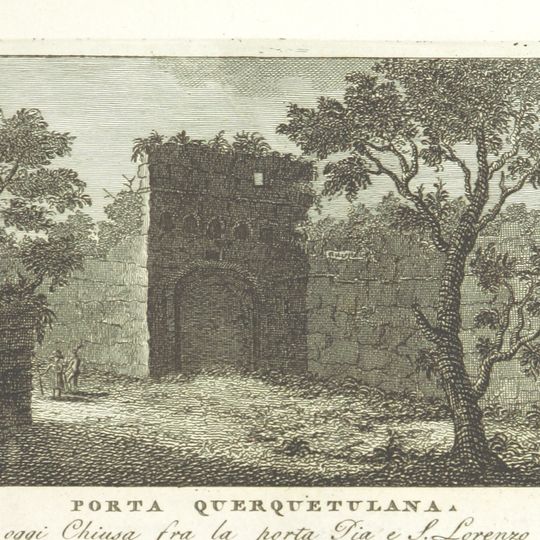
Porta Caelimontana e Porta Querquetulana, Ancient city gates on Caelian Hill, Rome, Italy.
Porta Caelimontana and Porta Querquetulana were two gates in the Servian Wall on Caelian Hill in Rome, of which only the first still stands today. The surviving structure is a double arch built from travertine blocks, located at the start of Via San Paolo della Croce.
The Servian Wall in which these gates originally sat was built in the early years of Rome to defend the city. The surviving arch was later rebuilt in the 1st century AD under the governor Dolabella and consul Silanus, which gave it the double-arch form it has today.
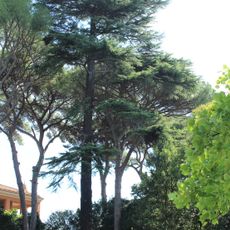
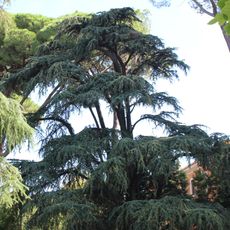
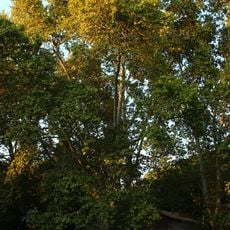
The name Querquetulana comes from the Latin word for oak woods, recalling the forested land that once covered Caelian Hill before the city grew around it. Visitors who look closely at the surviving arch can still read the inscriptions naming the officials who paid for its construction.
The surviving arch is visible from street level and free to view from the outside without any entry fee. Since it sits on Caelian Hill, visitors coming from lower parts of Rome should be ready for a short uphill walk.
A friar named John of Matha lived in a small room built above the arch from 1209 until his death in 1213. His presence there shows how Roman ruins were turned into shelters for religious figures long after their original purpose had ended.
The community of curious travelers
AroundUs brings together thousands of curated places, local tips, and hidden gems, enriched daily by 92,075 contributors worldwide.