Macellum Magnum, Ancient Roman food market in Caelimontium district, Rome, Italy.
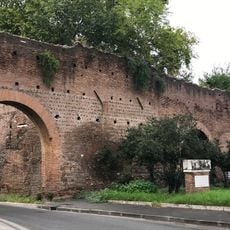
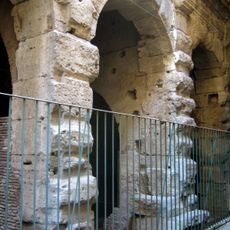
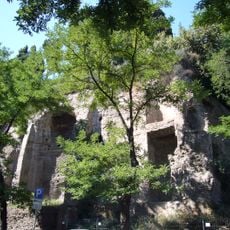
The Macellum Magnum was a circular two-storey market building on the Caelian Hill, with a central colonnade of 22 columns supporting a domed roof. Around it ran a concentric two-storey portico of 36 columns, and outside that a 10-metre-wide ambulatory divided into eight segments by rows of columns, alternating open courtyards. Only travertine foundations, part of the precinct wall and eight pillars of the outer colonnade survive.
Emperor Nero founded this market in 59 AD as a major trading center on the Caelian Hill. The structure remained an important commercial hub for centuries afterward, serving the city's merchant community.
The name macellum, from Greek makellon, became the Latin term for a food market, and this one was the Macellum Magnum, the 'great market'. Nero's coins show the two-storey circular hall with its central tholos, a design that made the market a landmark on the Caelian. Pope Simplicius turned the site into the church of Santo Stefano Rotondo in the late 5th century.
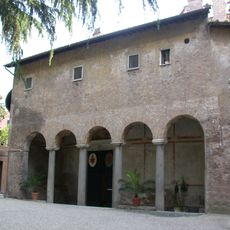
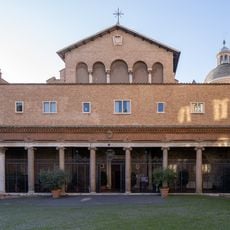
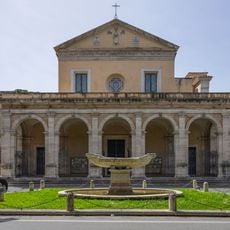
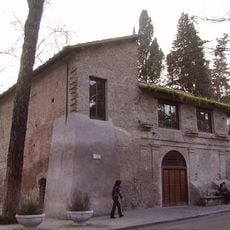
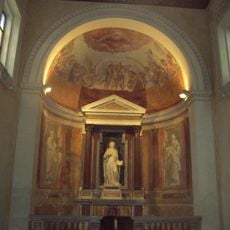
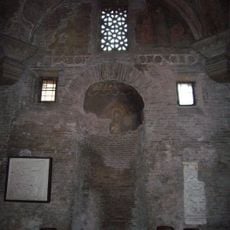
The remains are located beneath the Church of Santo Stefano Rotondo on the Caelian Hill today. When visiting the area, expect to find the site integrated into the modern neighborhood surrounding this church structure.
Nero's coins show the market as a two-storey circular building with a central tholos or domed structure ringed by porticoes, not a rectangular hall. Of Nero's original building only travertine foundations, part of the precinct wall and eight pillars of the outer colonnade survive, and the 4th-century rebuilding kept the general form.
The community of curious travelers
AroundUs brings together thousands of curated places, local tips, and hidden gems, enriched daily by 93,389 contributors worldwide.