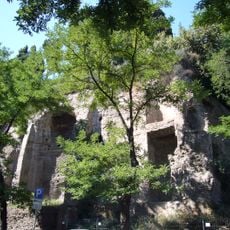
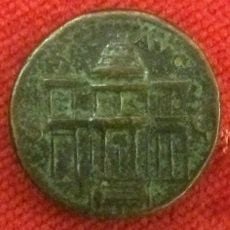
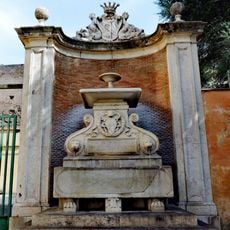
Porta Querquetulana, Ancient gate in Servian Wall, Rome, Italy
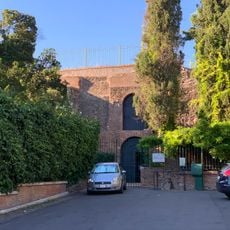
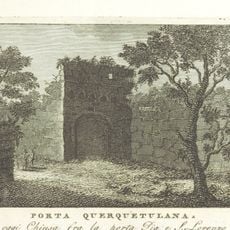
Porta Querquetulana was a gate in Rome's Servian Wall on the Caelian Hill, named after the oak grove (querquetum) that once covered the hill, then called Mons Querquetulanus. Its exact site is debated: some place it near the Clivus Scauri, others within the perimeter of the San Giovanni hospital, near via dei Santi Quattro. No remains survive.
The gate took its name from a sacred oak grove that stood near the entrance during Rome's Republican period. This structure dates to an era when Rome reinforced its borders with massive defensive walls.
The gate's name comes from Querquetulum, the old name of the Caelian Hill, meaning covered with oak woods. The sacred grove of the Querquetulanae stood just inside the gate and had vanished by the first century BC. Latin authors linked the gate to this grove rather than to any monument.
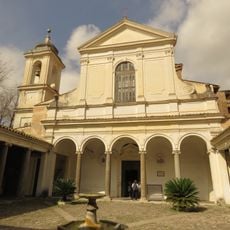
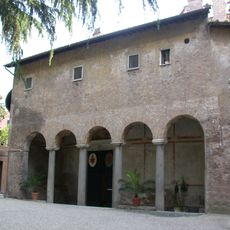
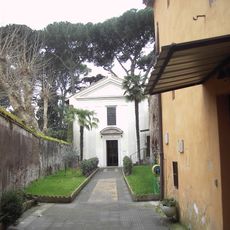
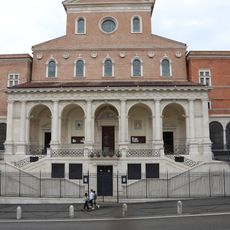
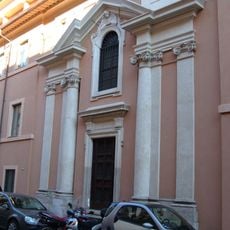
The remains of the gate lie near the Church of SS Quattro Coronati, a location that scholars continue to study. Visitors looking for this ancient site will find few visible traces, but understanding the hill's layout helps locate where the gate once stood.
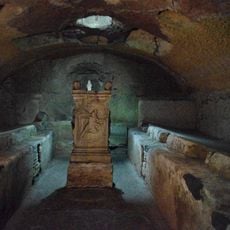
Archaeological remains of a Republican cemetery were found near the Arco di Basile, showing how close burial grounds were to city gates. These findings help researchers today better understand where the gate actually stood.
The community of curious travelers
AroundUs brings together thousands of curated places, local tips, and hidden gems, enriched daily by 94,233 contributors worldwide.