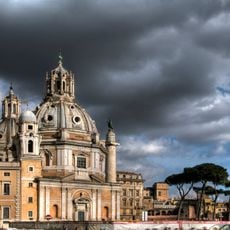
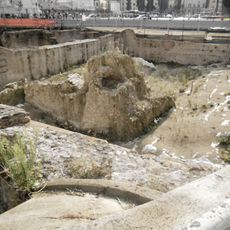
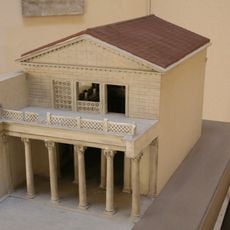
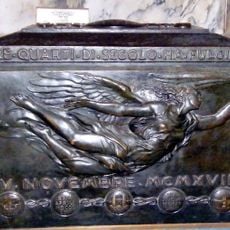
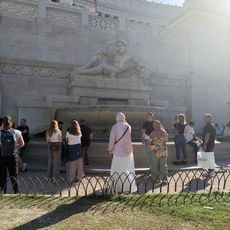
Atrium Libertatis, Roman censors archive between Capitoline and Quirinal Hills in Rome, Italy
Atrium Libertatis was a substantial complex in central Rome that rose between the Capitoline and Quirinal Hills. The site contained administrative buildings, two libraries, and open courtyards displaying sculptures and bronze tablets recording property and census information.
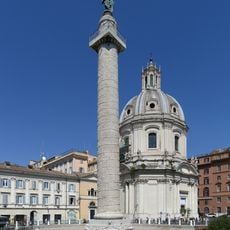
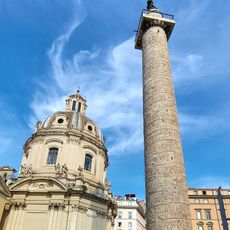
The complex was founded in the third century BC and underwent major reconstruction in 194 BC. Further significant renovations were carried out by Gaius Asinius Pollio around 39 BC, before the entire site was demolished in the second century AD to make way for Trajan's Forum.
The complex featured numerous sculptures, including the Supplice of Dirce by Apollonius and Tauriscus, and the Appiadi created by Stephanos.
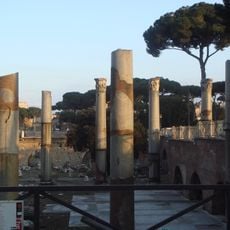
The site was positioned strategically between two major hills and served as a central hub for officials needing access to administrative records and public documents. Today the location remains archaeologically significant, though it lies beneath modern Rome and requires specialized excavation work to be properly accessed.
The complex was particularly notable for housing records of freed slaves and documenting their formal ceremonies of liberation. This function made the place a symbol of social change in Roman society before it was completely erased from view.
The community of curious travelers
AroundUs brings together thousands of curated places, local tips, and hidden gems, enriched daily by 92,729 contributors worldwide.