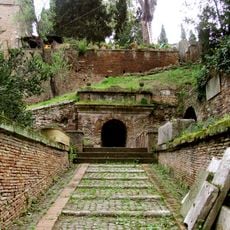
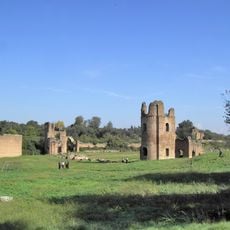
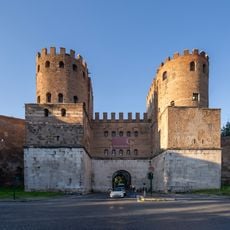
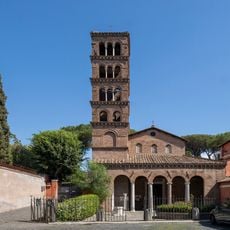
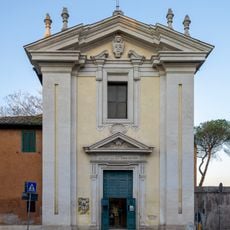
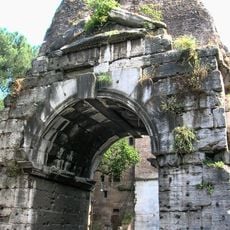
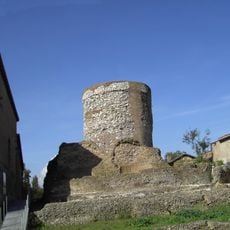
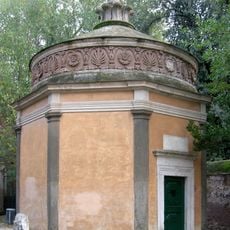
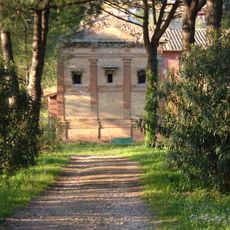
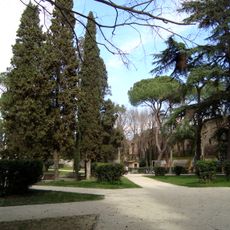
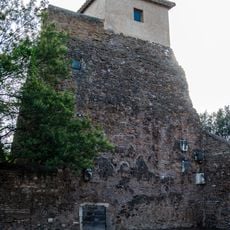
Catacomb of Aproniano, Early Christian catacombs on Via Latina, Rome, Italy.
The Catacomb of Aproniano is an underground burial place in Via Latina with four constructed levels and numerous tunnels, burial chambers, and rooms beneath Rome's Appio-Latino district. The branching network of these underground passages extends over several meters in depth.
The site dates to the 4th century AD, with inscriptions from 371-372 indicating its use, and was rediscovered in 1937 by archaeologist Enrico Josi. This discovery allowed researchers to gain important insights into burial practices of the late Roman period.
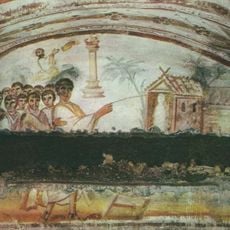
The catacombs display religious artworks, including a notable fresco of Jacob's Ladder from the Book of Genesis, reflecting early Christian burial practices. These artistic depictions offer insight into the faith and hopes of the early community that used these underground spaces.
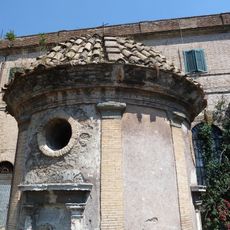
The entrance lies near the intersection of Via Cesare Correnti and Via Latina, which makes orientation straightforward. Visitors should note that the original access point differs from the current entry location.
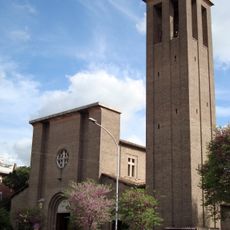
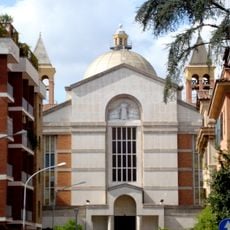
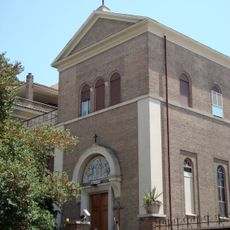
The catacombs house the remains of several martyrs, with Saint Eugenia being particularly notable, whose memory was honored by a church built directly above the underground site. This combination of subterranean burial place and above-ground sanctuary shows how closely remembrance and veneration were intertwined.
The community of curious travelers
AroundUs brings together thousands of curated places, local tips, and hidden gems, enriched daily by 92,154 contributors worldwide.