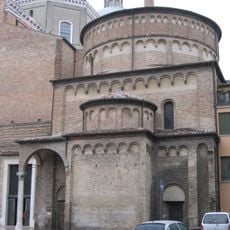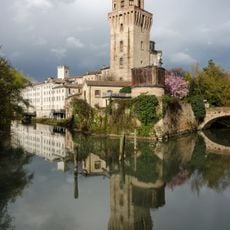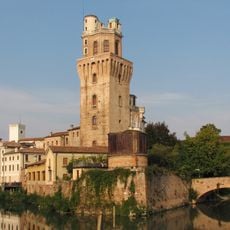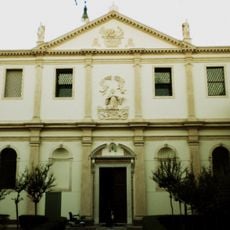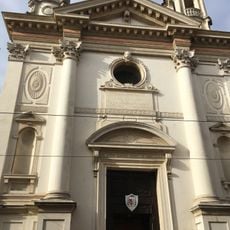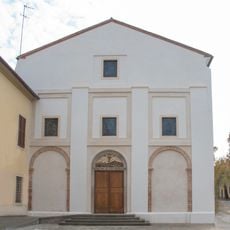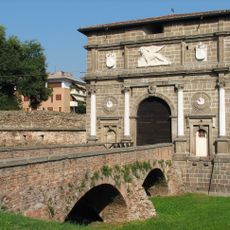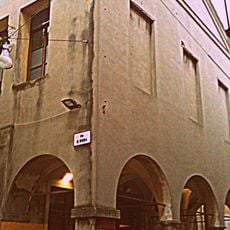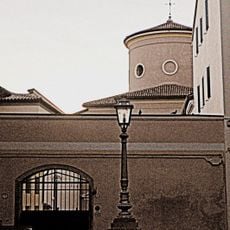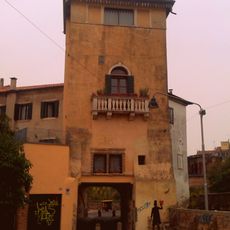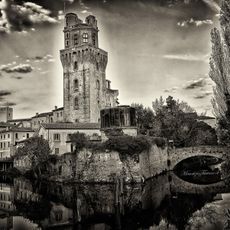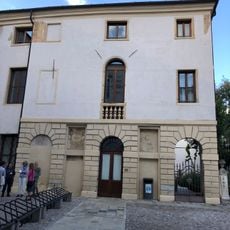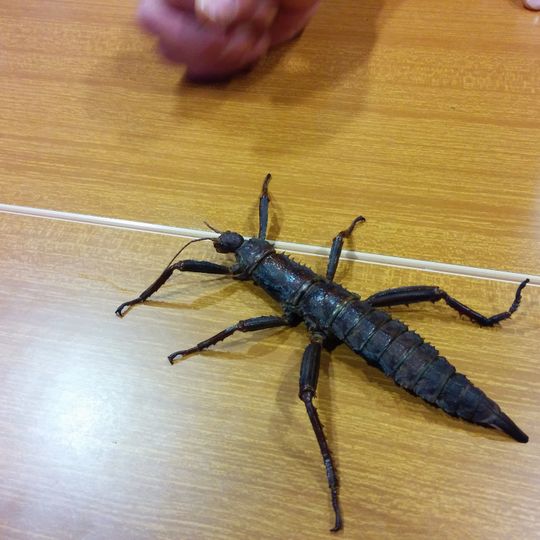
Esapolis, Natural history museum and insectarium in Padua, Italy.
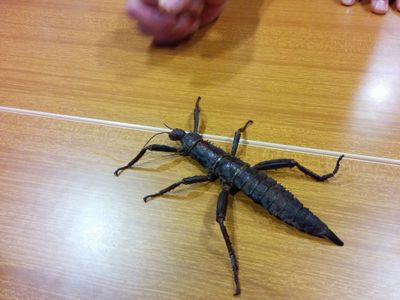
Esapolis is a natural history museum and insectarium in Padua housing thousands of living insects, arachnids, and preserved specimens from multiple continents. The exhibition spaces display diverse arthropod species alongside educational materials and research collections organized by geographic origin and type.
This site began as Italy's first silk research station in the late 1800s, built specifically to study silk production scientifically. Over time it expanded to become a broader natural history museum, incorporating collections of insects and arthropods from around the world.
Silk production has shaped life in this region for centuries, and the place shows how this craft remains rooted in local tradition and knowledge. Visitors can observe the care given to silkworms and understand how this work connects people across generations and countries.
The exhibition halls are easy to navigate and feature specialized laboratory spaces where visitors can observe insects through microscopes. Wear comfortable shoes as you will move through multiple rooms to see the full collections.
The museum maintains multiple breeds of silkworms from different regions, each with distinct characteristics and appearance. This living collection allows visitors to directly compare how these varieties differ from one another.
The community of curious travelers
AroundUs brings together thousands of curated places, local tips, and hidden gems, enriched daily by 91,252 contributors worldwide.