Pozzo Etrusco, Ancient water well museum in Perugia, Italy
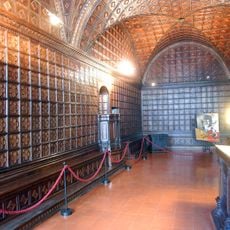
The Pozzo Etrusco is a cylindrical shaft about 37 metres deep, dug into clay and rounded pebbles. The first 4 metres below street level form a quadrangular room that widens into a cistern about 5.60 metres in diameter down to 16 metres; below that the shaft narrows to 3 metres. Large travertine slabs line the upper part, and two stone trusses fitted without mortar, each weighing about 8 metric tons, support a travertine ceiling.
The Etruscans built this structure in the third century before Christ to supply their settlement with water. The construction shows how important water storage was for cities of that period.
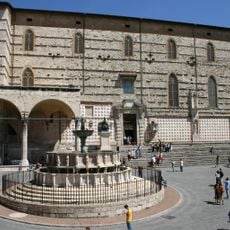
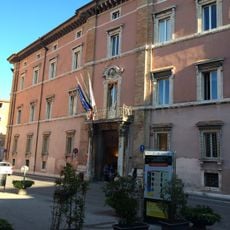
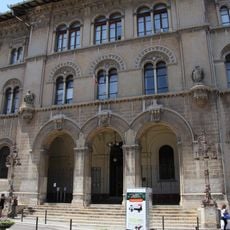
The well is also called Pozzo Sorbello, after the Bourbon di Sorbello family, who acquired Palazzo Sorbello in 1780 and with it the well. Marquis Uguccione III allowed all residents of the square to draw its water freely, so they no longer had to use the public fountains of the old town.
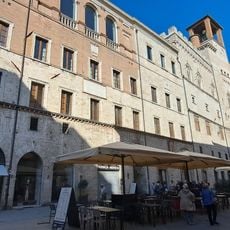
Access is at Piazza Danti 18, through a covered passage leading to the underground rooms of Palazzo Sorbello. The well shaft is about 37 m deep, with the first 4 m in a quadrangular room before the barrel widens into a cistern roughly 5.60 m across. The well is still fed by three perennial springs.
The structure was built from massive travertine blocks and monolithic beams, which set its design apart from typical water reservoirs of the era. This unusual approach made the work exceptionally durable.
The community of curious travelers
AroundUs brings together thousands of curated places, local tips, and hidden gems, enriched daily by 94,354 contributors worldwide.