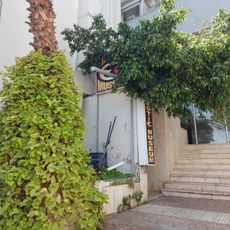
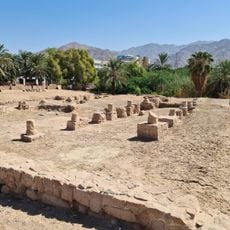
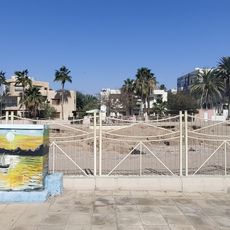
Aqaba Archaeological Museum, National museum in Aqaba, Jordan.
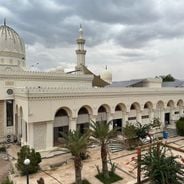
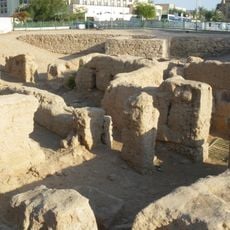
The Aqaba Archaeological Museum occupies the 1917 palace of Sharif Hussein Bin Ali, beside the historic Aqaba Fort. Its collection spans Bronze Age finds from Tall Hujayrat Al-Ghuzlan, dated to 4000 BC, and Islamic artifacts from the 7th to the early 12th century AD.
The building served as the palace of Sharif Hussein Bin Ali, founder of the Hashemite dynasty, and was built shortly after World War I in 1917. The museum was established in 1989 and officially opened on January 1, 1990, inside that former palace.
A large Quranic verse inscription displayed here once decorated the eastern gate of the city during the 9th century. This text reveals how religious messages shaped the architecture and daily life of people at that time.
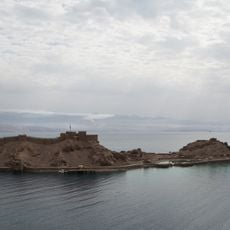
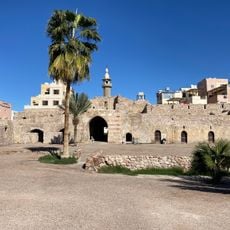
The museum sits adjacent to the historic Aqaba Fort and offers guided tours to explain the excavations of the region. Visitors should plan time to look through the different exhibition areas at a relaxed pace.
Among the exhibits is a large Kufic inscription of the Throne Verse (Ayat al-Kursi) that hung above the city's eastern gate, Bab Misr, in the 9th century. The museum also keeps Fatimid gold dinars and coins struck in the kingdom of Sijilmasa in Morocco, found at the Islamic site of Ayla.
The community of curious travelers
AroundUs brings together thousands of curated places, local tips, and hidden gems, enriched daily by 93,746 contributors worldwide.