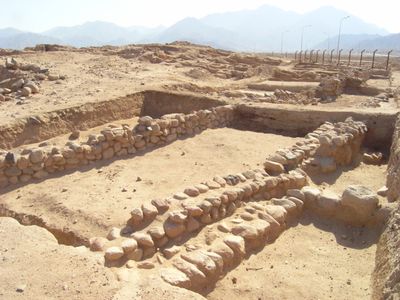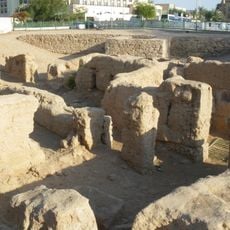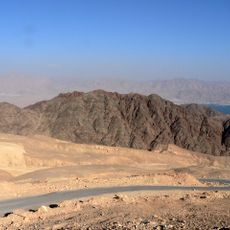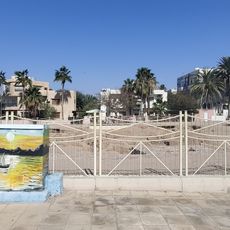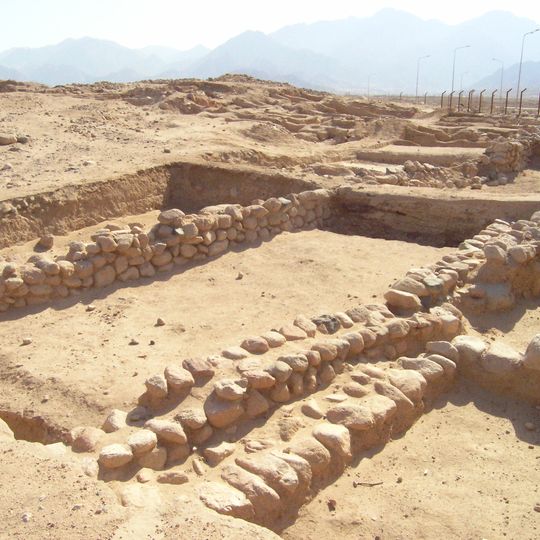
Tal Hujayrat Al-Ghuzlan, Archaeological site 4 km north of Aqaba, Jordan.
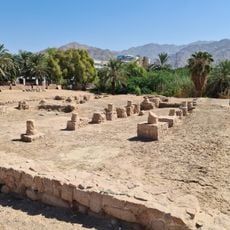
Tal Hujayrat Al-Ghuzlan is an archaeological site containing remains of copper production workshops, ancient irrigation systems, and dwelling structures from the Chalcolithic period. The excavations reveal evidence of an organized settlement with specialized craft activities.
The settlement dates back to 4000 BC and emerged as an early production center in an arid landscape. Two major earthquakes marked the site's history, with the second one causing the settlement to be completely destroyed.
Drawings of humans and animals found on building walls provide insights into the spiritual beliefs and daily practices of the early copper-working community. These artistic marks offer a window into how people lived and thought during that era.
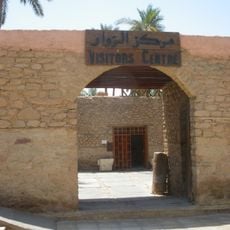
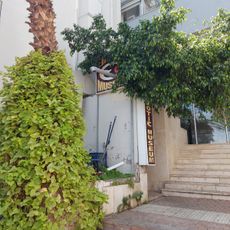
Most discoveries from the excavation site are displayed at the Aqaba Archaeological Museum, offering visitors a clearer understanding of what was found there. The museum setting makes it easier to examine artifacts and understand the settlement's daily practices.
Geological analysis has revealed evidence of two major earthquakes at the location, with distinct impacts on the settlement's survival and development. These seismic events are recorded in the soil layers and structural damage visible at the site.
The community of curious travelers
AroundUs brings together thousands of curated places, local tips, and hidden gems, enriched daily by 60,000 contributors worldwide.