Kansai region, Cultural region in southern-central Honshu, Japan
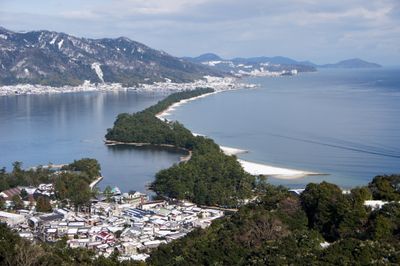
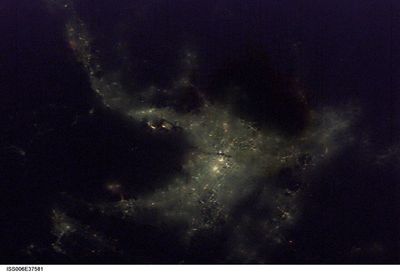
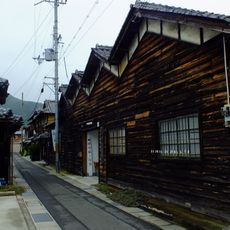
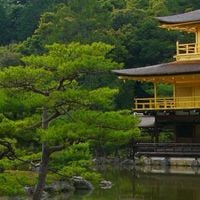
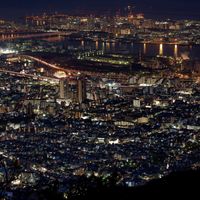
Kansai is a wide stretch of land in the southern-central part of Honshu that includes seven prefectures and forms a connected metropolitan region with large cities, smaller coastal towns, and forested mountain ranges. The landscape shifts between dense urban development along the coast and agricultural valleys that extend toward the mountains inland.
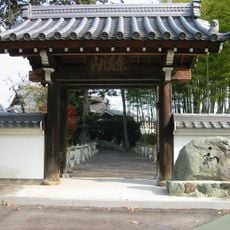
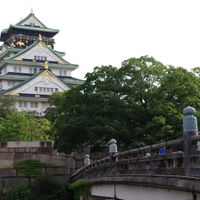
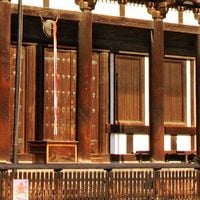
For over a thousand years this area served as the political center of the country, first in Nara and later in Kyoto, before the capital moved east in 1868. The influence of that long period as a seat of power remains visible in the architecture and administrative structures across the region.
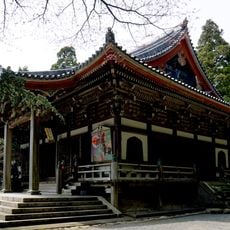
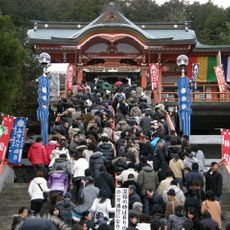
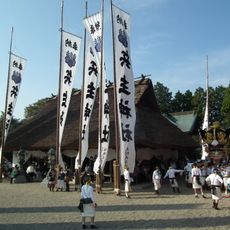
Daily life here revolves around food markets, neighborhood festivals, and visits to local shrines during seasonal celebrations when entire communities gather to honor traditional rituals. People speak with a distinct dialect that sounds noticeably different from Tokyo speech, and this linguistic identity remains strong even among younger generations.
Three airports serve the area and provide international as well as domestic connections, with facilities spread along the coast. Trains and intercity buses connect the individual prefectures quickly and directly, making it easy for travelers to move between the main centers.
In the 18th century, rice merchants in Osaka created the first organized futures trading when they began making price agreements for future deliveries. These early financial practices later influenced trading forms and market mechanisms far beyond Japan.
The community of curious travelers
AroundUs brings together thousands of curated places, local tips, and hidden gems, enriched daily by 90,776 contributors worldwide.