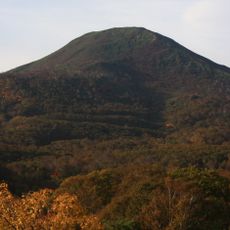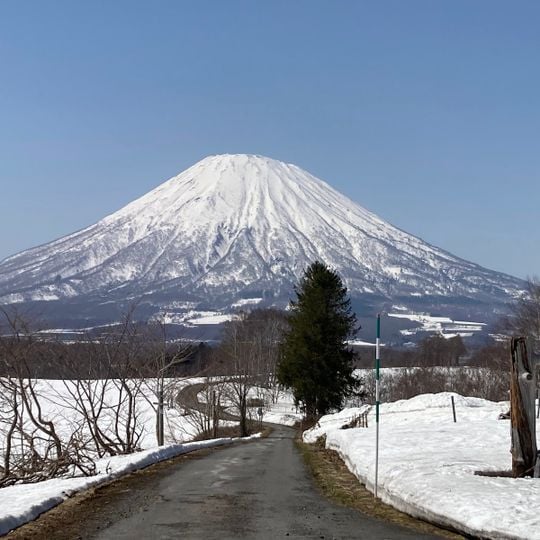
Mount Yōtei, Stratovolcano in Hokkaido, Japan
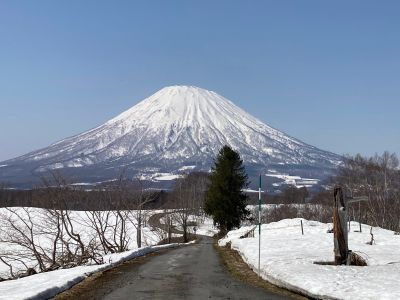
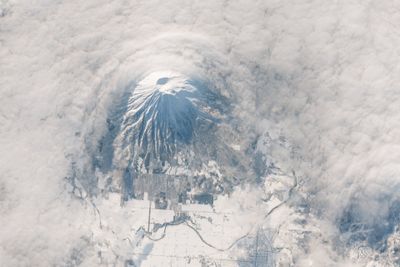
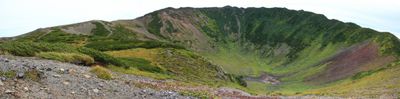
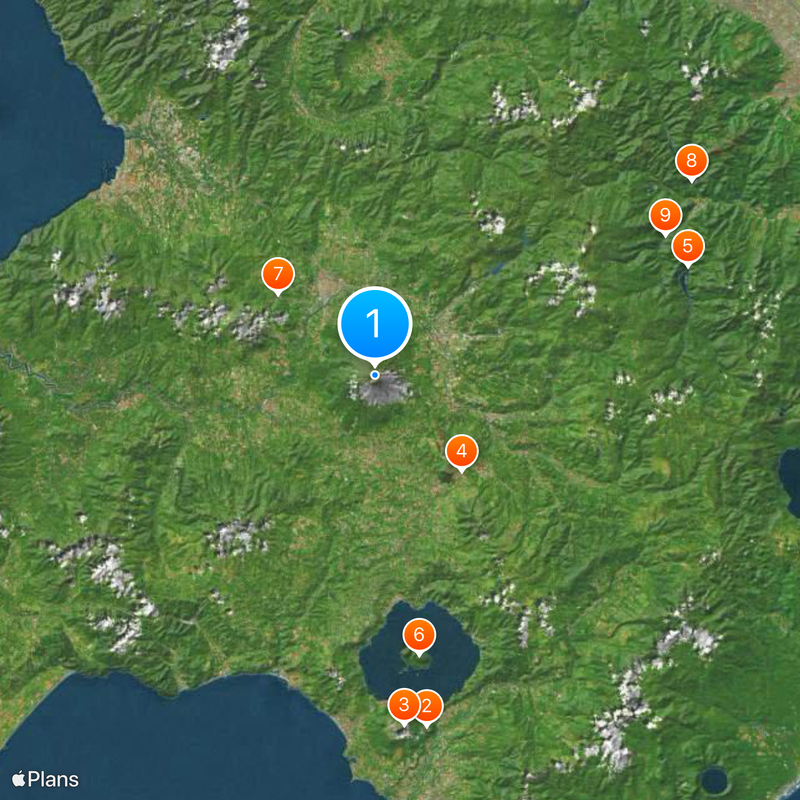
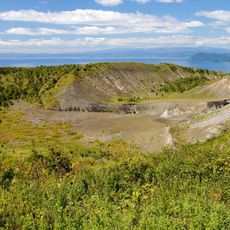
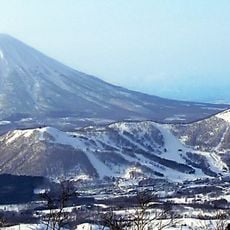
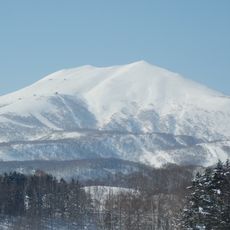
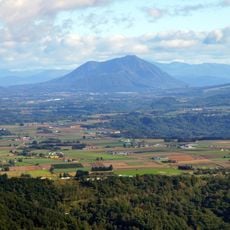
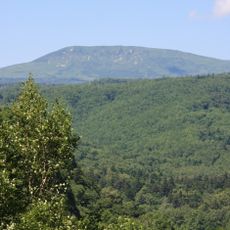
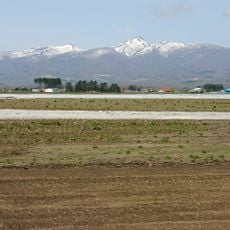
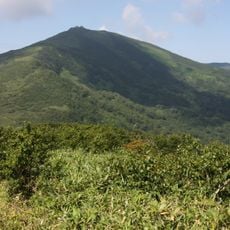
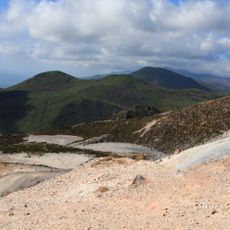
Mount Yōtei is a stratovolcano in Hokkaido, Japan, rising to 1898 meters with a nearly perfect symmetrical cone that recalls the silhouette of Fuji. The summit holds a snow-covered crater whose steep inner walls are formed by cooled andesite lava and measure roughly 700 meters across.
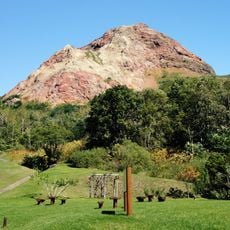
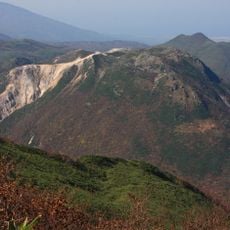
The volcano began growing roughly 60000 years ago, forming its characteristic cone through repeated eruptions. The last documented eruption occurred around 1050 BCE and left visible traces of volcanic activity at Lake Hangetsu.
The Ainu named this peak Makkarinupuri, meaning female mountain, pairing it with nearby Shiribetsu-dake as the male counterpart. This naming reflects the belief that neighboring summits exist in pairs, dividing the landscape into male and female halves.
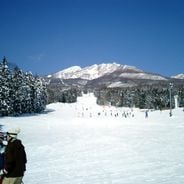
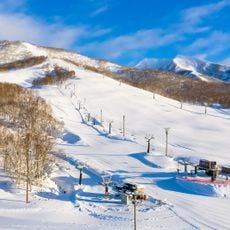
Winter brings skiing conditions on the snow-covered slopes, and climbers should begin their ascent early in the morning to take advantage of stable weather. The climb requires alpine experience, as steep sections and changing conditions make the route demanding.
Skiers can descend inside the crater through untouched powder snow, gliding between walls of cooled lava. Silver birch trees grow on the lower crater slopes, forming surprising pockets of woodland amid the volcanic landscape.
The community of curious travelers
AroundUs brings together thousands of curated places, local tips, and hidden gems, enriched daily by 91,554 contributors worldwide.