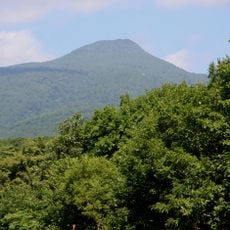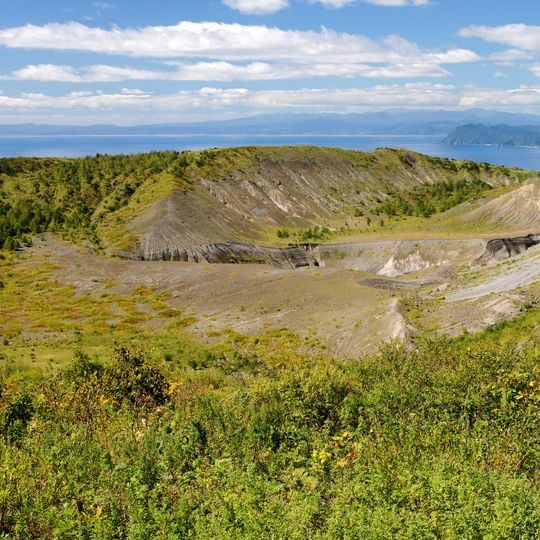
Mount Usu, Active volcano in Hokkaido, Japan.
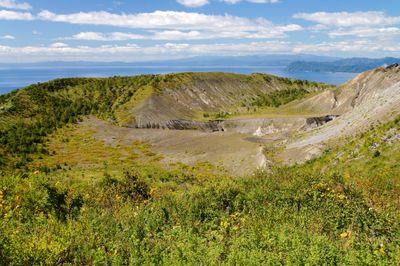
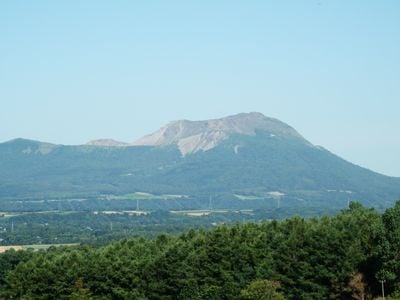
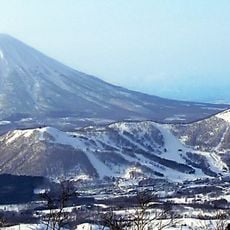
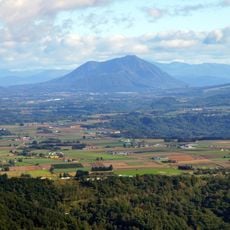
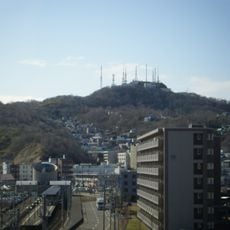
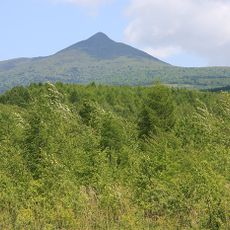
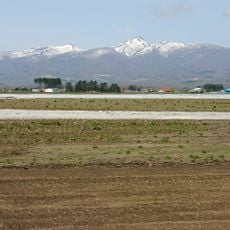
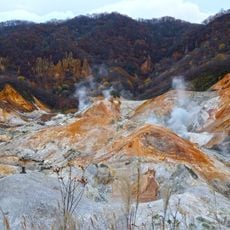
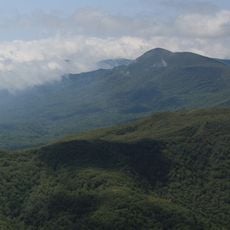
Mount Usu is an active volcano in Hokkaidō Prefecture that reaches 733 meters (2,405 feet) in elevation and shows several craters along with persistent steam vents near the top. The slopes bear visible traces of past eruptions, with hardened lava flows and volcanic deposits marking the upper sections.
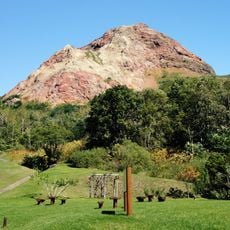
The volcano erupted four times during the 20th century, producing Meiji-shinzan in 1910 and forming Shōwa-shinzan between 1944 and 1945. Additional eruptions followed in 1977 and most recently in 2000, when large sections of the surrounding area required evacuation.
The name Usu comes from the Ainu language and still appears in local stories about the region's natural forces. Residents living nearby treat the mountain as a living presence that has shaped daily rhythms and settlement patterns for generations.
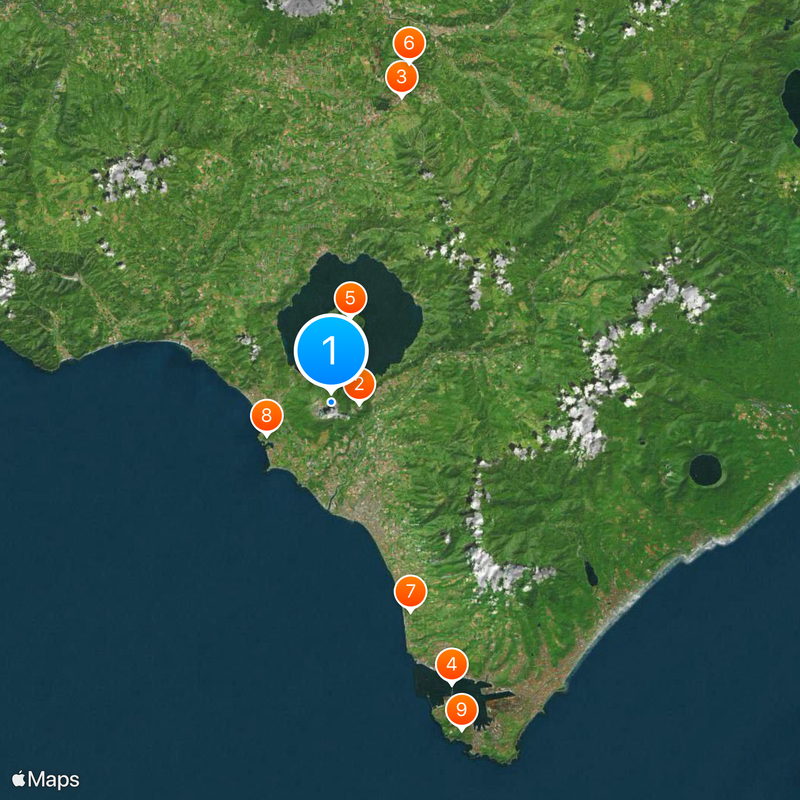
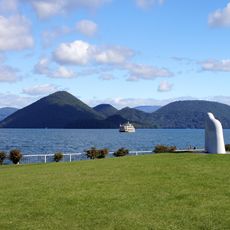
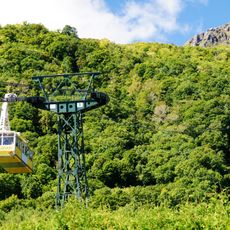
A ropeway system runs from the base of the mountain to a point near the summit, allowing access without extended hiking. Once at the top, views open over Lake Toya and on clear days toward the Pacific, though wind at the upper station often feels cooler than below.
During the 2000 eruption, over 16,000 people evacuated without any loss of life, an outcome internationally recognized as exemplary disaster preparedness. The warning systems and evacuation plans developed in the region have since served as a model for other volcanic areas worldwide.
The community of curious travelers
AroundUs brings together thousands of curated places, local tips, and hidden gems, enriched daily by 60,000 contributors worldwide.