Shōwa-shinzan, Active lava dome in Sobetsu, Japan
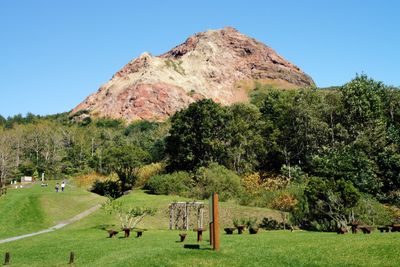
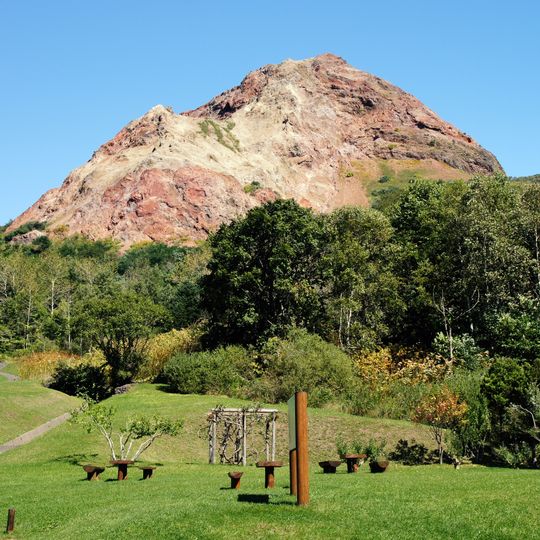
Shōwa-shinzan is an active lava dome in Sobetsu that rose from flat farmland through an earthquake event during World War II. The formation reaches 398 meters (1,306 feet) in height and constantly releases sulphurous fumes from its summit, marking its continued geological activity in Hokkaido.
The formation emerged between December 1943 and September 1945, rising from wheat fields following intense seismic activity during World War II. The Japanese government restricted information about the emergence during the war, considering its formation an unfavorable sign.
Local postmaster Masao Mimatsu tracked the daily growth through careful measurements and drawings from his window, creating detailed scientific records. His patient documentation turned everyday observations into a valuable geological archive that still serves researchers today.
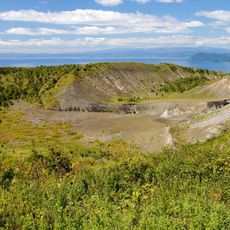
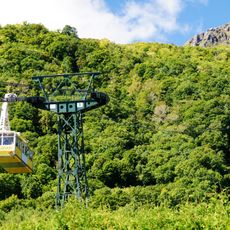
The Mount Usu cable car offers direct views of the formation, allowing visitors to observe the geological features from multiple angles. The ride reveals the rough surface of the dome and the steaming vents clearly, especially in clear weather conditions.
The volcano grew to its full height within less than two years, offering scientists a rare opportunity to track dome formation in real time. The name honors the Shōwa era during which this extraordinary geological birth took place.
The community of curious travelers
AroundUs brings together thousands of curated places, local tips, and hidden gems, enriched daily by 90,846 contributors worldwide.