Cape Sata, cape in Minamiosumi, Kagoshima Prefecture, Japan
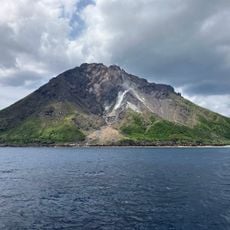
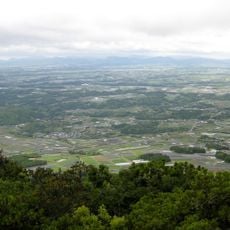
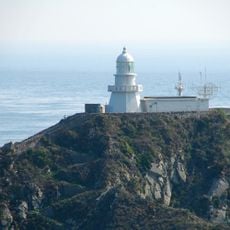
Cape Sata is a cape, not a peninsula, at the southern tip of the Ōsumi Peninsula in Minamiōsumi, Kagoshima Prefecture, where layered Mesozoic sandstone and shale form sea cliffs. The Satamisaki Lighthouse, a short white cylindrical tower with a domed lantern room, stands on a rounded headland above grey-brown rock ledges; a lower white flat-roofed building sits beside it.
The Satamisaki Lighthouse was built in 1871 under Scottish engineer Richard Henry Brunton's direction, helping guide ships through Japanese waters safely. This structure marked an important step in modern navigation and infrastructure during Japan's Meiji period.
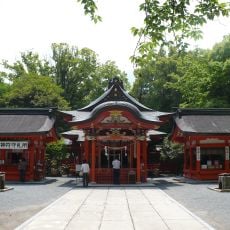
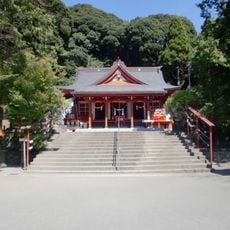
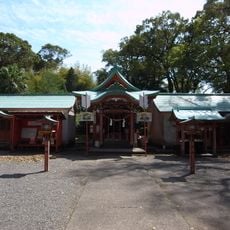
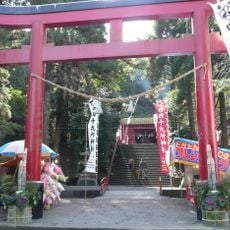
Misaki Shrine, on the slope of the hill behind the cape, was founded in 708 and was long known as Misaki Sansho Gongen. Its festivals were held on the 20th day of the first lunar month, the 18th of the second and the 19th of the ninth, drawing crowds from the surrounding area.
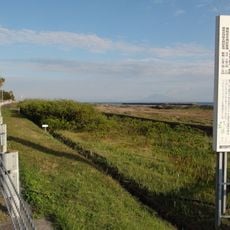
Cars reach the Cape Sata car park via National Route 269 and the Sata Misaki Road Park; from there the tip is reached only on foot, and the park paths are not barrier-free. No scheduled public transport serves the car park since the bus link was discontinued in 2006. A coastal walking route also runs from near Tajiri fishing port to the tip.
This location marks the southern endpoint of the famous journey from Hokkaido to Kyushu that writer Alan Booth documented in his travels. The journey reveals how this spot serves as a symbolic boundary between Japan's north and south.
The community of curious travelers
AroundUs brings together thousands of curated places, local tips, and hidden gems, enriched daily by 94,678 contributors worldwide.