Kenmu Restoration, Historical period from 1333 to 1336 in Japan
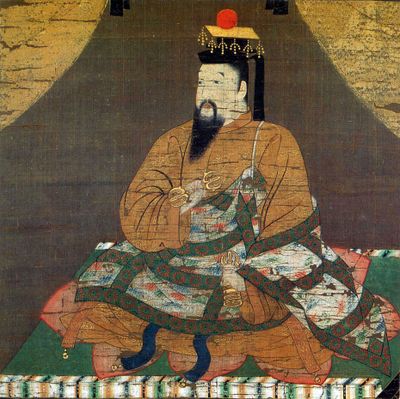
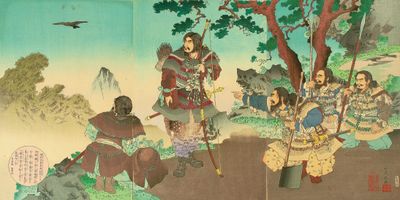
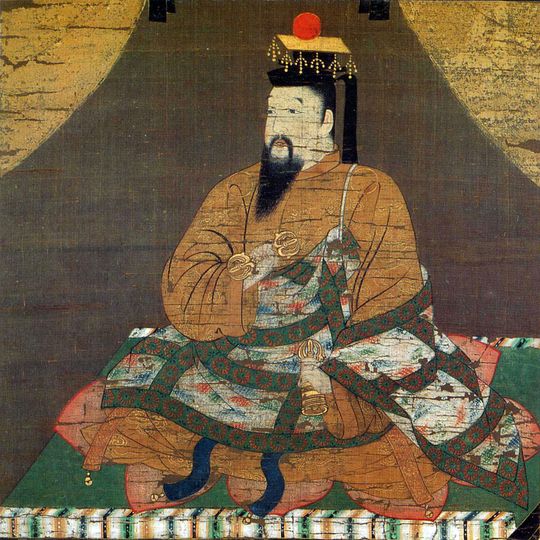
The Kenmu Restoration was a brief period from 1333 to 1336 when Emperor Go-Daigo established direct imperial rule from Heian-kyo after overthrowing the Kamakura Shogunate. This era marked a return to civilian governance after approximately 148 years of military administration.
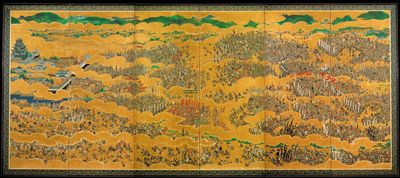
Emperor Go-Daigo defeated Kamakura forces with the support of military leaders Ashikaga Takauji and Nitta Yoshisada, ending more than a century of shogunal rule. His efforts to reorganize land rights and centralize power faced resistance that would soon lead to the period's collapse.
The period introduced new administrative offices to handle legal and civilian matters, shifting governance closer to the imperial court. These structures reflected an attempt to rebuild imperial authority over local affairs.
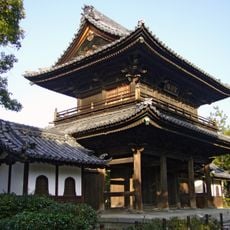
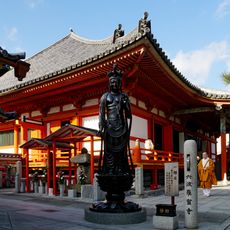
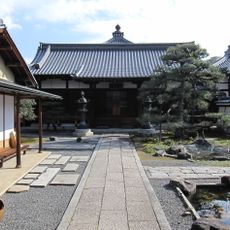
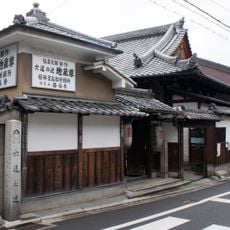
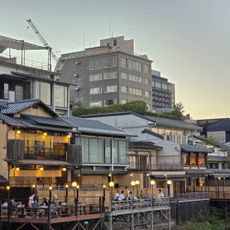
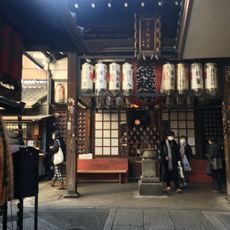
Although this era ended nearly 700 years ago, visitors today can explore sites in Heian-kyo (Kyoto) connected to this period through museums and preserved records. Understanding the political context helps appreciate how Japan's governance transformed between different systems.
This three-year restoration remains the final moment in Japanese history when emperors held genuine political power before the modern era. Not until the Meiji Restoration 500 years later would imperial rule regain such direct authority.
The community of curious travelers
AroundUs brings together thousands of curated places, local tips, and hidden gems, enriched daily by 91,672 contributors worldwide.