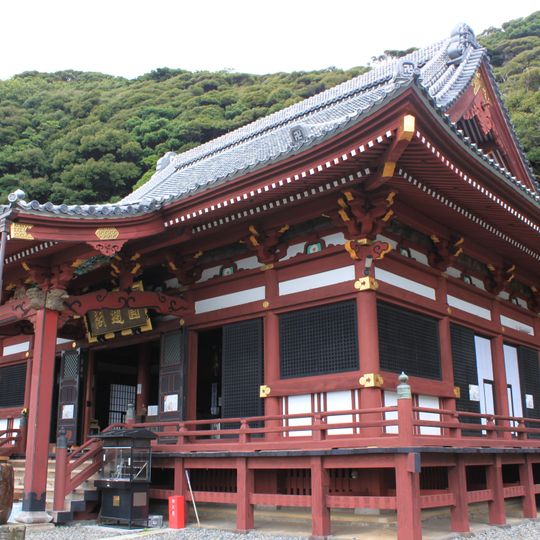
Nago-dera, Buddhist temple in Tateyama, Japan
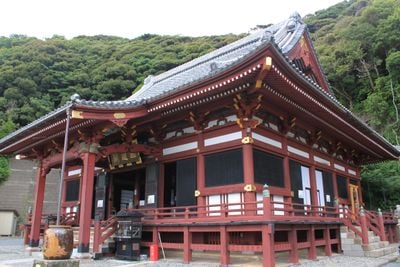
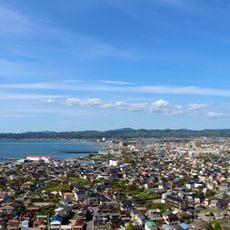
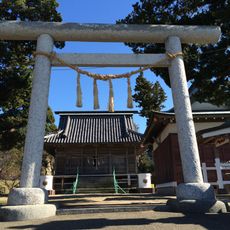
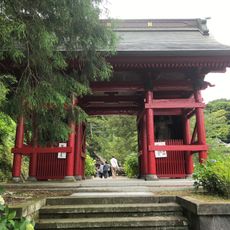
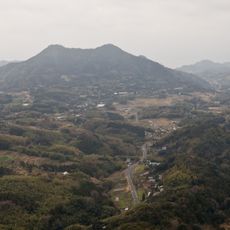
Nago-dera is a Buddhist temple on the slopes of Mount Nago, at the southern tip of the Boso Peninsula in Chiba Prefecture, Japan. It is the 33rd and final stop on the Bando Sanjusankasho pilgrimage circuit, a route connecting 33 temples across the Kanto region.
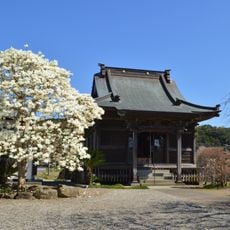
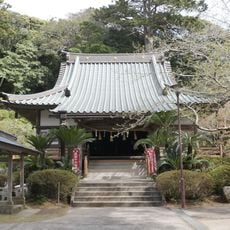
The temple was founded in 717 by the monk Gyoki, who chose this spot while praying for the recovery of Empress Gensho. The main Hondo hall dates to 1732 and the Tahoto pagoda to 1761, and both are now designated as Important Cultural Properties of Chiba Prefecture.
Visitors who complete the Bando pilgrimage circuit receive a special seal here as a mark of their finished journey. This final stop has a particular meaning for those who have traveled across the Kanto region to reach it, and the mood among arriving pilgrims is noticeably different from that of casual visitors.
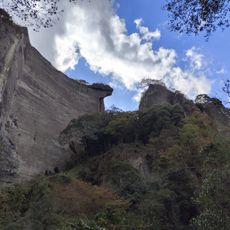
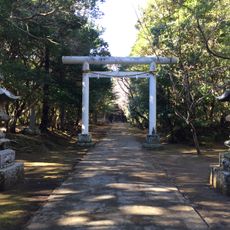
The temple sits on a hillside and is reached by stone steps through forested paths, so sturdy shoes make the visit more comfortable. Early morning tends to be quieter, as pilgrim groups often arrive later in the day.
Inside the temple halls stands a bronze statue of Senju Kanzeon Bosatsu that dates to the Kamakura period and is recognized as a nationally Important Cultural Property. This makes it one of the few surviving works of that period in this part of Japan, and it draws specialists and art historians as well as pilgrims.
The community of curious travelers
AroundUs brings together thousands of curated places, local tips, and hidden gems, enriched daily by 60,000 contributors worldwide.