Narumi-juku, Post station in Midori-ku, Japan
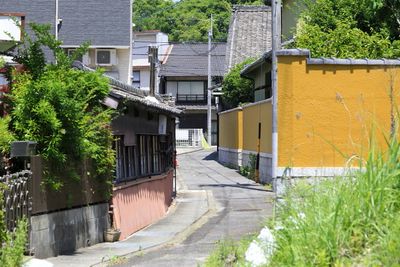
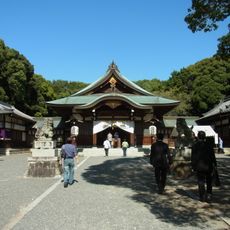
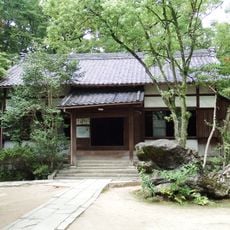
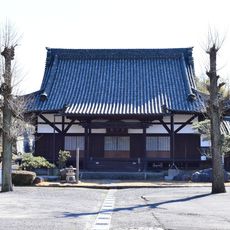
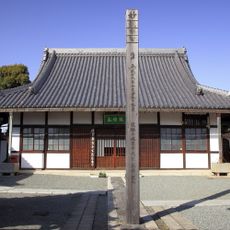
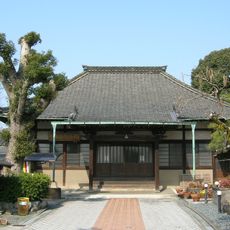
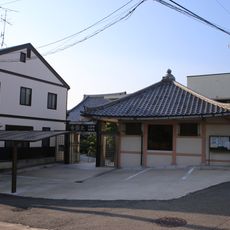
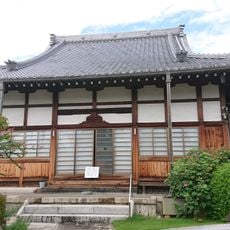
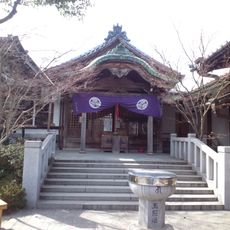
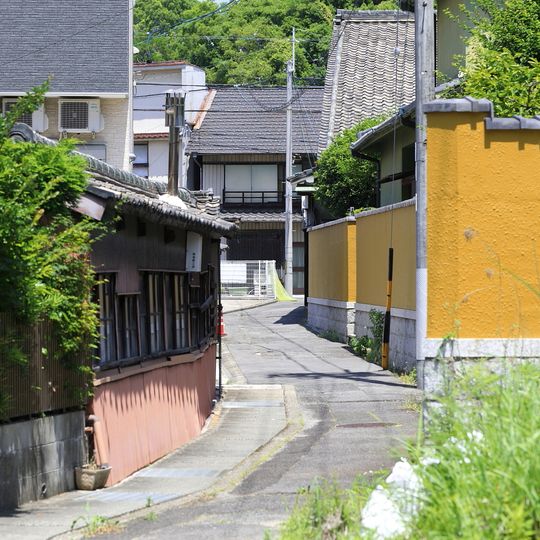
Narumi-juku extends along the ancient Tōkaidō route with traditional wooden buildings, open-fronted shops, and narrow pathways that reflect historical Japanese architecture. The settlement served travelers moving between major cities with lodgings, food, and supplies during the Edo period.
This post station emerged as one of 53 stations that formed an organized network for travelers during the Edo period. Its importance lay in connecting major centers and supporting the movement of goods and people along the route.
Artisans in this post station gained renown for dyeing fabrics used in yukata summer garments, a craft tradition that shaped the daily work of residents. This textile production made the settlement an important center for this specialized art form along the route.
Visitors reach this historical district via the Tōkaidō Main Line with regular trains to central Nagoya. The narrow streets are best explored on foot since they were designed for pedestrians and the compact layout.
The settlement was captured in Hiroshige's woodblock prints from the 1830s, preserving images of travelers and the local landscape. These artistic records provide a glimpse into how the station looked during its active period.
The community of curious travelers
AroundUs brings together thousands of curated places, local tips, and hidden gems, enriched daily by 90,802 contributors worldwide.