Wada Pass, Mountain pass in Tokyo and Kanagawa, Japan
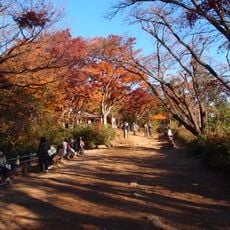
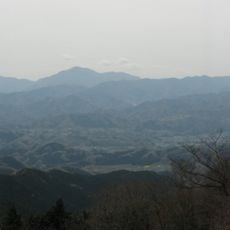
Wada Pass is a mountain passage at roughly 690 meters elevation that connects Tokyo and Kanagawa through mountainous terrain. Several hiking trails now run through the area, offering access to different parts of the surrounding landscape.
The pass lies on the Jimba-kaidō, also called the Ange-kaidō or Sanokawa-ōkan, the route linking Hachiōji with the former Uenohara town in Yamanashi. In 1580 the Hōjō built Hachiōji Castle over 15 years to guard against Takeda incursions along the ridge paths; Toyotomi forces under Maeda Toshiya and Uesugi Kagekatsu took it in a single day. In 1970 a night rally of about 60 cars saw a vehicle leave the forest road and fall into the river, injuring three.
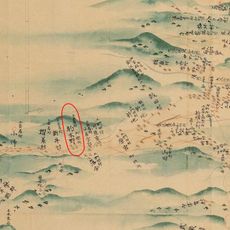
The name Wada Pass comes from the Sagami side; from Hachioji the pass was traditionally called Ange Pass, and only the Wada name survives today. The Jimba road over the pass was also known as the Sanokawa road and Ange road, linking Hachioji with the former Uenohara town in Yamanashi. A teahouse stands near the pass, with the trail to Mount Jimba (854.8 m) starting behind it.
The area is accessible year-round with regular bus connections to nearby towns and cities. Hikers should bring proper gear for changing weather conditions, since mountain weather can shift quickly.
The pass sits on the watershed between the Tama and Sagami river systems, and the prefectural boundary between Tokyo and Kanagawa runs across the 690 m pass height. The paved Jimba-kaidō climbs at up to 18%, and cyclists have no cycle rack at the top, so bikes must be watched.
The community of curious travelers
AroundUs brings together thousands of curated places, local tips, and hidden gems, enriched daily by 94,445 contributors worldwide.