Iwatateono-jinja, Shinto shrine in Japan
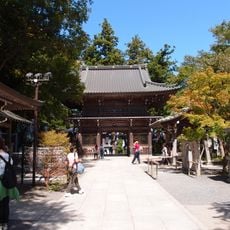
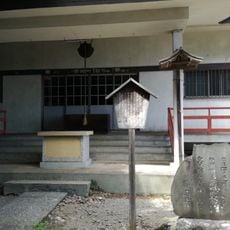
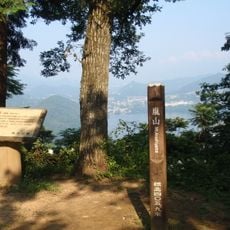
Iwatateono-jinja is a Shinto shrine in the Nakura district of Midori Ward, Sagamihara, Kanagawa Prefecture. Its main hall (honden) was built in 1724 in the Shinmei-zukuri style. In the centre of the grounds stand two cedar trees, estimated to be 400 years old, 40 m tall and 3.7 m in girth, designated a Natural Monument by Kanagawa Prefecture together with the shrine grove.
The shrine was built many centuries ago in the shinmei-zukuri style, one of Japan's oldest shrine architectural traditions. This style originated from a period when buildings drew inspiration from palaces and storehouses, later evolving into a sacred space for the gods.
The shrine buildings display straight lines and a gabled roof that reflect this ancient building style. Visitors often notice the wooden logs called Katsuogi placed on the roof, which serve as both traditional decoration and weather protection.
The shrine stands in Nakura, Midori Ward, Sagamihara, a short walk from the Nakura bus stop on the Fujikyu Nakura loop line from Fujino Station on the JR Chuo Line; Uenohara Station is also about 30 minutes on foot. The shrine office is not always staffed, so goshuin seals may be unavailable. The grounds hold a 400-year-old pair of cedars, a prefectural natural monument.
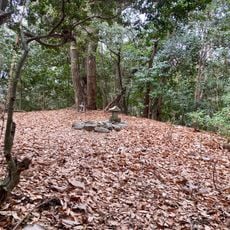
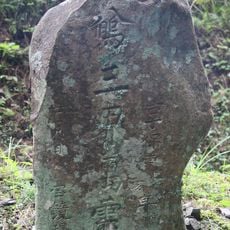
The shrine's sacred tree is a pair of cedars called the Meoto-sugi, estimated at 400 years old, standing 40 m tall with a 3.7 m trunk circumference; the tree and its grove are a Kanagawa Prefecture Natural Monument. Before the Meiji era, worship focused on a rock called Eboshi-iwa, removed during construction of the Chuo Main Line.
The community of curious travelers
AroundUs brings together thousands of curated places, local tips, and hidden gems, enriched daily by 93,662 contributors worldwide.